
Reviewed · ETOSHA SAFARIS
Etosha National Park: Himba Village Cultural Tour
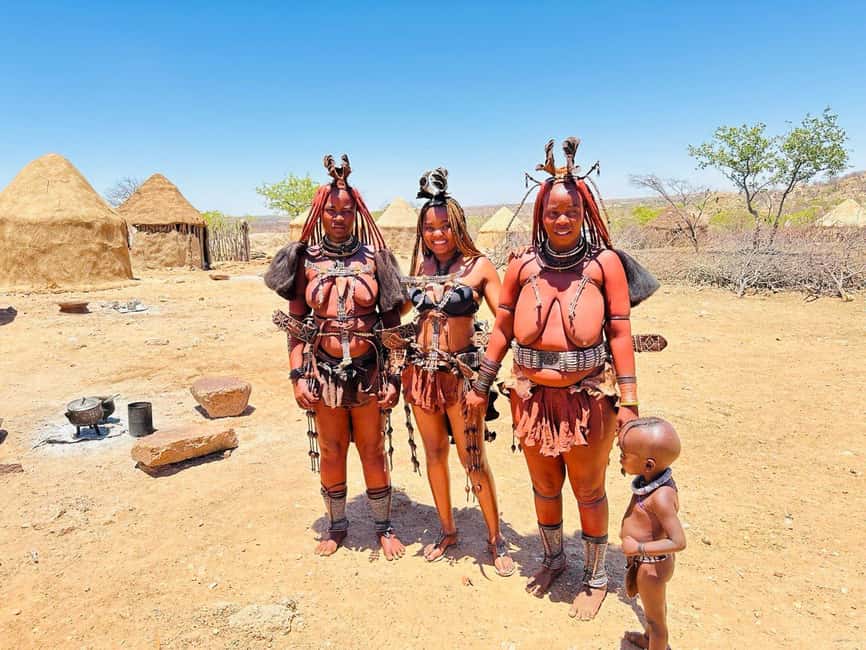
Cattle, ochre, and open sky make this a memorable change from game drives. From Etosha’s Anderson Gate, you travel about 40 kilometers to a traditional Himba village, where a local English-speaking guide explains daily life, family customs, cattle keeping, spiritual practices, and beauty rituals.
I like two things right away: the small group limit of six, which gives you room to ask questions, and the chance to support the community by buying handmade jewelry, pottery, or woven goods. The main caution is value and timing. The advertised 150 minutes does not match the stated 1.5-hour vehicle journey plus a two-hour village visit, so confirm the schedule before you pay.
- Close to Anderson Gate: The village is about 40 kilometers from Etosha’s southern entrance.
- Small-group format: A maximum of six people should make conversation easier and the visit less rushed.
- Himba daily life: See mud huts, cattle kraals, open courtyards, crafts, and communal meeting areas.
- Red ochre traditions: Learn about the butter and ochre mixture used in Himba beauty rituals.
- Possible music and dance: Seasonal performances may include traditional songs, dancing, and craft demonstrations.
- Important price check: The advertised cost is $64, but a 300 NAD village entrance charge was reported separately by one participant.
In This Review
- Why This Visit Adds Something Etosha Cannot
- Starting at Anderson Gate
- Walking Through the Himba Village
- Understanding Ochre, Butter, and Beauty
- Dance, Music, and Handmade Crafts
- How the Small Group Changes the Visit
- Is $64 a Fair Price?
- What to Bring for the Southern Namibia Heat
- The Timing Problem You Should Not Ignore
- Who Will Enjoy This Most
- Should You Book the Himba Village Tour?
- FAQ
- Where does the Himba village tour start?
- Does the tour operate from every Etosha entrance?
- How far is the Himba village from Anderson Gate?
- How long does the activity last?
- How many people can join the tour?
- What language does the guide speak?
- Is transport included?
- Are village entrance fees included?
- Are meals and drinks provided?
- Is the tour suitable for wheelchair users?
Why This Visit Adds Something Etosha Cannot
Etosha is famous for animals, water holes, and long hours in a safari vehicle. This outing turns your attention toward people and culture. It offers a closer look at how one Himba community organizes work, family life, belief, and trade.
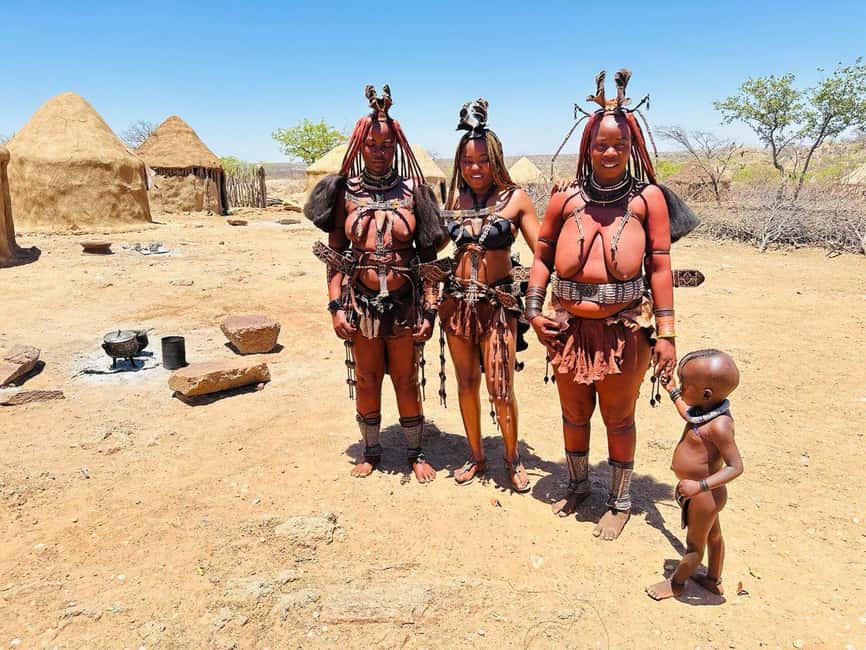
The Himba are widely recognized for their red ochre-covered skin and hair, but the most useful part of the visit is learning what sits behind that appearance. The guide explains how cattle shape social life, why family ties matter, and how customs connect people to the land around them.
That context keeps the visit from being only a photo stop. You are not simply looking at distinctive clothing or decorated hair. You are being introduced to a way of life involving animal husbandry, agriculture, handcrafts, marriage customs, and spiritual practices.
The tour is also practical for a southern Etosha itinerary. You do not need to arrange a long transfer into the Kunene Region. Pickup is available at Anderson Gate or at lodges within 30 kilometers of the gate, outside Etosha National Park.
Starting at Anderson Gate
The meeting point is Anderson Gate, the southern entrance to Etosha National Park. You can also meet the tour at a lodge within 30 kilometers of the gate, but the activity only operates from this southern side.
That restriction matters. If you are staying near the eastern or western entrances, this is not a convenient drop-in excursion. Plan it around time in the southern part of your route, perhaps before entering Etosha or after leaving the park.
The drive uses a jeep or SUV. The published timing lists a 1.5-hour vehicle segment, but the overall activity duration is also listed as 150 minutes. Those figures do not line up neatly with the separate two-hour village visit.
One booking described the transfer as roughly 30 minutes each way, which would make more sense for a short outing. Still, you should ask Yavola Tours and Transfer to confirm the exact driving and village times. This is the single most important planning question.
The trip is not a safari drive, so do not book it expecting animal viewing along the way. Its purpose is the village visit and the conversation with the guide.
More Etosha safaris:
- Etosha National Park: Full or Half-Day Game Drive
★ 4.6 · 175 reviews - ETOSHA PARK SAFARI with local guides in 9-seater 4x4s
★ 5.0 · 87 reviews - 3 Day Etosha Budget Camping Safari
★ 5.0 · 37 reviews
Walking Through the Himba Village
At the village, you walk among traditional mud huts known as ovahimba. You see open courtyards and cattle kraals, both central to village life.
The setting helps explain how the community works. The huts are not isolated museum pieces. The courtyards are shared spaces, and the cattle kraals point to the importance of animals in livelihood, family standing, and daily responsibilities.
Your guide acts as the bridge between you and the villagers. The English-language tour covers the community’s social structure, family bonds, rituals, and relationship with cattle. One of the strongest parts of the experience is the opportunity to ask questions rather than simply watch from a distance.
The two French-language reviews supplied for this tour were especially positive about the guides. One described the guide as attentive and available for questions. Another praised the visit as a genuine look at everyday Himba life, without a staged presentation.
That praise is worth taking seriously, but you should still approach the visit with care. A cultural tour arranged for tourists will naturally include selected demonstrations and a planned route. That does not automatically make it false, but it means you should listen, ask respectful questions, and avoid treating the village as a human display.
Understanding Ochre, Butter, and Beauty
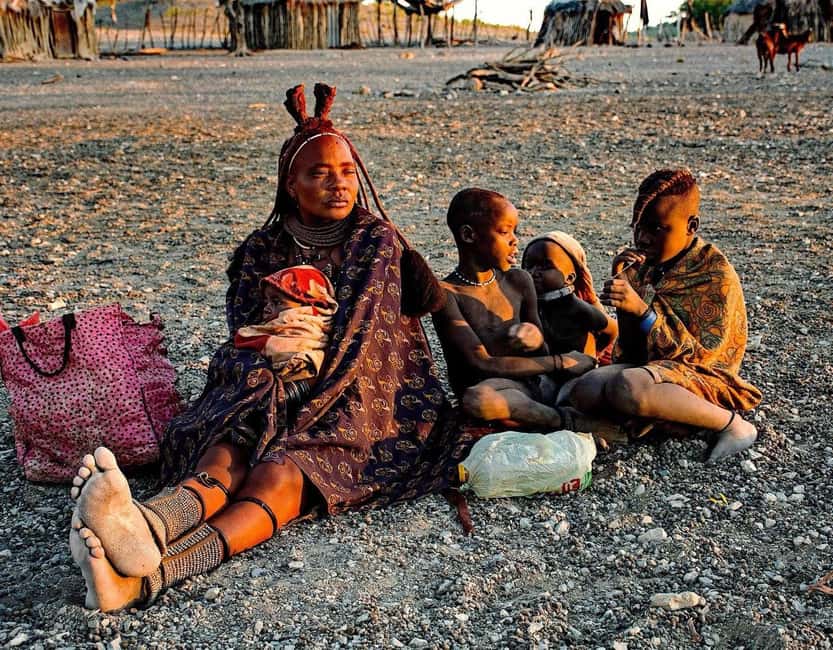
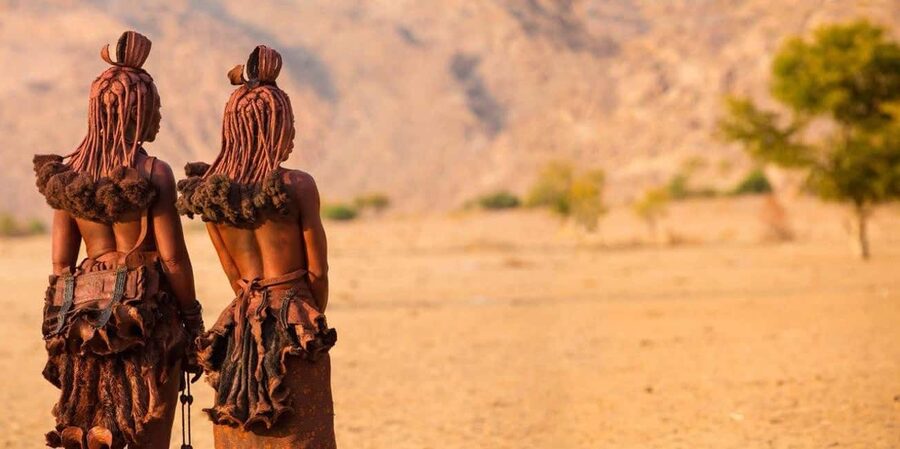
The Himba women’s red coloring is one of Namibia’s most recognizable cultural details. During the visit, you learn about the use of red ochre mixed with butter, including its role in hair and skin care and its place in Himba beauty traditions.
The red color is visually striking, especially against the dry Namibian scenery. It is also easy for visitors to focus on the appearance and miss the meaning. A good guide helps you connect the ritual to identity, grooming, custom, and social life.
Photography is allowed as part of the experience, and you are encouraged to bring a camera. Still, ask before taking close portraits. A person’s distinctive clothing, hairstyle, or ochre-covered skin may be culturally meaningful, but that does not make it automatically available for your camera.
I suggest taking a few wide photographs of the huts, courtyards, cattle areas, and surrounding scenery before concentrating on portraits. If you buy a craft, ask whether you may photograph it and the person who made it. A little courtesy costs nothing and makes the exchange more human.
Dance, Music, and Handmade Crafts
Depending on the season, the village visit may include traditional Himba dance and music. You may also see demonstrations of jewelry-making, pottery, or weaving.
These elements give you something active to watch, but the timing is not guaranteed. The wording makes clear that performances depend on the season, so do not book this solely for a dance show.
The arts and crafts market is another useful part of the visit. Buying handmade goods gives you a direct way to support the village, and it lets you take home something tied to the community rather than a generic souvenir.
You might find jewelry or other handmade pieces, but the available selection can vary. Carry enough money if you hope to buy something, though no specific payment method is provided in the tour details. Do not feel pressured to purchase. A respectful conversation and attentive visit still matter.
The craft stop also gives you a chance to understand work passed from one generation to the next. Jewelry, pottery, and weaving are not just sales items. They show practical skills and personal creativity within the community.
More History Tours in Namibia:
- Half-Day Windhoek City and Township Cultural Tour
★ 4.5 · 187 reviews - From Walvis Bay: Sandwich Harbour World Heritage Site
★ 4.8 · 134 reviews - City Tour of Historical Swakopmund
★ 5.0 · 8 reviews - Swakopmund Best Cultural Historical Township Tours Namibia
★ 5.0 · 8 reviews
How the Small Group Changes the Visit
Six people is a useful maximum for a cultural tour. A small group makes it easier to hear the guide in an open courtyard and easier to ask about customs without competing with a crowd.
It can also make photography less awkward. You are less likely to have a line of people pressing forward for the same picture, and the guide has more time to explain what you are seeing.
The tradeoff is that the quality of the visit depends heavily on the guide and on the community’s activity that day. The supplied feedback is encouraging about the guides, particularly their attention and willingness to answer questions. But no short tour can show every part of Himba life.
Think of this as a structured introduction, not a complete account of Himba culture. You will get useful background and a guided look at village spaces, but you should not expect access to every private ritual or household activity.
Is $64 a Fair Price?
The listed price is $64 per person. It includes transport, a local guide, and village entrance fees according to the tour information. It also gives you an organized way to meet the community without arranging your own vehicle and local contact.
For a group of up to six, the price can be reasonable if the transfer is short and the village visit lasts close to two hours. Transport from the Anderson Gate, a guide, and a planned cultural visit add convenience, especially if you are already building a trip around Etosha.
But you need to check the entrance-fee issue. One verified booking reported paying 300 NAD per person at the village and said that charge was not included or clearly explained. This conflicts with the stated inclusion of village entrance fees.
I would contact the provider before booking and ask three direct questions:
- Is the 300 NAD village fee included in the $64?
- How long is the drive each way?
- How long do you spend inside the village?
The answers will tell you if the price fits the actual outing. If the fee is extra, add it to your budget. If the village visit is much shorter than advertised, the price becomes harder to justify.
What to Bring for the Southern Namibia Heat
Bring comfortable walking shoes. The village visit includes walking through courtyards and around huts, so sandals or stiff travel shoes may be less useful than simple shoes with good support.
A hat, sunscreen, and water are essential. The supplied instructions also tell you to bring food and drinks, since meals and beverages are not included.
A camera is welcome, but use it thoughtfully. Ask before photographing people, especially children or individuals in close-up. Respect should come before the perfect portrait.
Wear practical clothing for a hot, dusty setting. The official information does not specify a dress code, so the safest approach is comfortable, modest clothing suitable for walking and sun exposure.
The activity is not suitable for wheelchair users or people with mobility impairments. Electric wheelchairs are specifically excluded, and the walking route through the village may be difficult for anyone who needs smooth, step-free access.
The Timing Problem You Should Not Ignore
The activity is described as lasting 150 minutes. The itinerary, however, lists a 1.5-hour jeep or SUV segment and a two-hour guided village visit. Those numbers suggest a much longer outing.
This may simply be a formatting error, or the 1.5-hour transport figure may refer to the round trip. A separate booking account described about 30 minutes of transfer in each direction, which would create a roughly three-hour total if the village visit lasted two hours.
Ask for a written confirmation of the start and return times. This matters if you have an Etosha game drive, a lodge check-in, or a long drive toward another entrance later in the day.
The activity offers free cancellation up to 24 hours before departure and a reserve-now, pay-later option. Those terms provide some flexibility, but they do not solve the timing or fee questions. Get those details clear first.
Who Will Enjoy This Most
I would recommend this tour to you if you want more from Etosha than wildlife sightings. It suits people interested in community life, customs, craft, photography, and guided conversation.
It is a good choice for couples, families with older children, and small groups who can listen respectfully and handle a village walk. The six-person limit is particularly helpful for anyone who prefers quieter, more personal outings.
You may not enjoy it if you want a spontaneous visit with no planned demonstrations, or if you are uncomfortable with photography and craft sales being part of a cultural tour. The 3-out-of-5 assessment from one Czech participant raised concerns about staging, cost, and an unexpected fee, while several other ratings were strongly positive about the guide and the feeling of seeing daily Himba life.
That mixed reaction tells you how to approach the experience. Go with curiosity, not with the expectation that you are entering an untouched world. Ask questions, respect boundaries, and judge the visit by the quality of the explanation and the direct benefit to the community.
Should You Book the Himba Village Tour?
Book it if you are staying near Anderson Gate and want a compact cultural outing alongside your Etosha plans. The guide, small group, village walk, craft market, and chance to learn about ochre rituals and cattle-centered life make it more meaningful than a quick photo stop.
Before booking, confirm the real duration and whether the 300 NAD entrance charge is included. If the provider gives clear answers and the village portion is close to two hours, $64 may be fair. If the tour is mainly a short transfer and brief stop, you may prefer to spend your time on Etosha’s wildlife drives.
For the best visit, bring water, sun protection, walking shoes, and patience. Treat the people you meet as hosts, not scenery. That simple attitude will make this short encounter more respectful and more rewarding.
FAQ
Where does the Himba village tour start?
It starts at Anderson Gate, the southern entrance to Etosha National Park. Pickup is also available at lodges within 30 kilometers of Anderson Gate, outside the park.
Does the tour operate from every Etosha entrance?
No. This activity operates only from Etosha’s southern entrance, Anderson Gate.
How far is the Himba village from Anderson Gate?
The village is located about 40 kilometers from Anderson Gate.
How long does the activity last?
The stated duration is 150 minutes. The transport and village timings provided do not fully match that figure, so confirm the exact schedule with the provider.
How many people can join the tour?
The tour is limited to six participants.
What language does the guide speak?
The live tour guide speaks English.
Is transport included?
Yes. Transportation by jeep or SUV is included.
Are village entrance fees included?
The tour information says village entrance fees are included. However, one booking account reported paying an additional 300 NAD per person, so confirm this charge before departure.
Are meals and drinks provided?
No. Meals and drinks are not included. Bring your own food and beverages, including water.
Is the tour suitable for wheelchair users?
No. The activity is not suitable for wheelchair users or people with mobility impairments. Electric wheelchairs are also not allowed.
Just added in Namibia
- Windhoek: Township Tour amongst the locals★ 4.0 · 1 review
- Windhoek: Katutura Township Tour with Local Guide★ 3.5 · 3 reviews
- Windhoek: City & Township tour. Vehicle, guide, kapana★ 4.2 · 4 reviews
- Windhoek: Dustenbrook Scenic Game Drive★ 5.0 · 1 review
- Windhoek: Okapuka Game Ranch Guided Tour★ 5.0 · 2 reviews
- Walvisbay: Sandwich Harbour 4×4 & Sandboarding Tours★ 4.8 · 13 reviews
- Windhoek : Cheetah walk Experience★ 4.6 · 8 reviews
- Walvis Bay : Pelican Point Birding and Cape Fur seal tour★ 5.0 · 1 review
Etosha Safaris, compared.
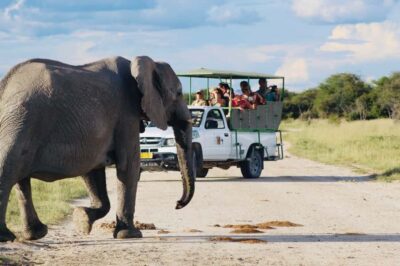
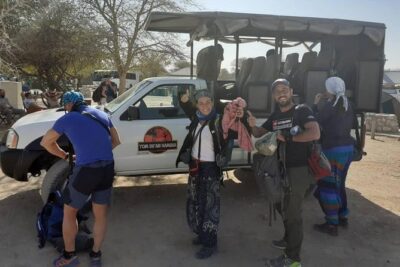
ETOSHA PARK SAFARI with local guides in 9-seater 4x4s
Read our review →

6 Day Sand, Sea & Etosha Budget Camping Safari
Read our review →
Safari in Etosha national park with professional tour guides born in Etosha.
Read our review →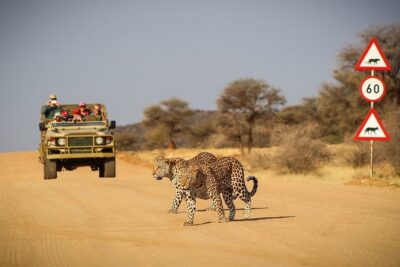
9 Day Etosha, Skeleton Coast and Sossusvlei Camping and Lodge Safari
Read our review →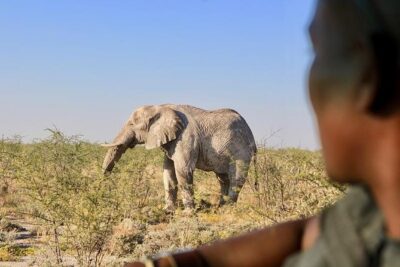
4-Day Etosha And Swakopmund Accommodated Adventure from Windhoek
Read our review →Browse the lists this tour appears in