
Reviewed · ETOSHA SAFARIS
6 Day Sand, Sea & Etosha Budget Camping Safari
Red dunes, sea air, and wild animals await. This six-day safari packs Namibia’s biggest scenery into one practical route, from Sossusvlei and the Namib Desert to Swakopmund and Etosha National Park. I like the small maximum group of nine, which should make long drives and shared camp duties easier, and I like that park fees, game drives, camping equipment, and many meals are included. The main tradeoff is the pace: several days involve six to eight hours on the road, and the non-refundable booking rule demands firm plans.
The tour costs $1,355.66 per person, a fair price for a route that includes the Sossusvlei excursion, Etosha entry, transport, tents, five breakfasts, six lunches, and four dinners. You still need to budget for drinks, mineral water, a sleeping bag, optional activities, and tips. First-time campers should not panic: one guest found the experience comfortable after guide Raymond showed the group how to put up the tents, and specifically praised his calm, helpful approach.
In This Review
- Six details that shape the safari
- Why this six-day route works
- Day 1: Windhoek to Sesriem beneath the camelthorn
- Day 2: Sossusvlei starts before sunrise
- Day 3: Across the Namib to Swakopmund
- Day 4: Swakopmund to Etosha’s Okaukuejo waterhole
- Day 5: A full Etosha waterhole circuit
- Day 6: Etosha to Windhoek through Okahandja
- What the $1,355.66 price really covers
- Comfort, fitness, and group size
- Who should book this safari?
- Should you book it?
- FAQ
- Where does the safari start?
- How large is the group?
- Is camping equipment included?
- Are meals included?
- Are drinks and mineral water included?
- What physical fitness level is required?
Six details that shape the safari
- A pre-dawn climb at Dune 45 gives you the best chance of seeing the Namib’s red sand in changing sunrise light.
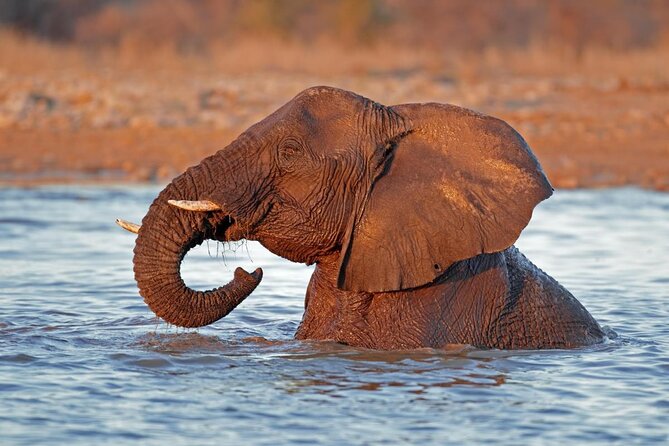
- Two nights in Etosha allow more time around waterholes instead of relying on one rushed game drive.
- A maximum of nine people keeps this a small-group trip, useful on long drives and at shared campsites.
- Camping equipment is supplied, but you must bring or hire your own sleeping bag.
- Swakopmund breaks up the desert journey with two nights in accommodation rather than six straight nights under canvas.
- The final stop at Okahandja’s wood carving market gives you a chance to buy a local craft while supporting Namibian makers.
Why this six-day route works
Namibia is enormous, so a short safari must make choices. This one links three very different parts of the country: the red dunes around Sesriem, the Atlantic edge at Swakopmund, and the wildlife-rich waterholes of Etosha.
I like that the route does not treat Etosha as a quick add-on. You reach the park on Day 4, spend that afternoon getting settled and beginning a game drive, then have a full day among the waterholes on Day 5. That gives you a better chance of seeing animals than a single afternoon stop.
The route also gives you a useful comfort break. You camp for two nights in the Sesriem area and two nights in Etosha, but you spend two nights in Swakopmund accommodation. That matters in a hot, dry country where a proper bed and a pause from camp routines can make the rest of the trip easier.
You should still expect a road trip, not a leisurely resort holiday. The listed days run for roughly six to eight hours, and the distance between Namibia’s highlights is part of the experience. The reward is variety. The cost is time in the safari vehicle.
More Etosha safaris:
- 9 Day Etosha, Skeleton Coast and Sossusvlei Camping and Lodge Safari
★ 5.0 · 21 reviews - 4-Day Etosha And Swakopmund Accommodated Adventure from Windhoek
★ 4.5 · 19 reviews - Etosha Express Safari 3 Days / 2 Nights
★ 5.0 · 11 reviews
Day 1: Windhoek to Sesriem beneath the camelthorn
Pickup begins at 7:00 am from accommodation within Windhoek city limits. You first transfer to Chameleon HQ for a short pre-departure meeting, then head south and west toward Sesriem.
The drive climbs onto Namibia’s central plateau, with mountain views along the way. Rehoboth is the practical supply stop, and the route continues through the small community of BűellsPort before reaching camp around lunchtime.
The setting sounds simple but memorable: a campsite beneath a huge old camelthorn tree, with views toward the towering red dunes of the oldest desert. After camp is set up, lunch is served picnic-style, followed by a desert excursion in the afternoon.
That first day gives you a gentle introduction to the trip’s rhythm. You travel, help with camp, eat outdoors, and then spend time seeing the desert before the early start the next morning. The six-hour duration is not a full day of sightseeing, but the scenery begins as soon as you leave Windhoek.
Camping equipment is included, though not a sleeping bag. A sleeping bag can be hired, so sort that out before departure if you do not want to pack one. Drinks and mineral water are also excluded, and the tour only promises tap water, so bring a reusable bottle and confirm how much drinking water you want for the road.
Day 2: Sossusvlei starts before sunrise
Day 2 is the visual centerpiece. You leave before dawn and drive the first 45 kilometers to Dune 45 in darkness and early twilight. The early start is not a punishment for its own sake. Low sunlight creates strong shadows and brings out the orange and apricot tones in the sand.
Dune 45 is named for its distance from Sesriem. You climb to a viewpoint and watch the color shift as the sun rises. The changing light gives the dunes shape, depth, and sharp contrast, making this a particularly good time for photographs.
After the climb, you return to the vehicle for a quick breakfast before continuing toward Sossusvlei. The day includes the Sossusvlei excursion and lasts about six hours. Since the tour asks for moderate physical fitness, you should be ready for a pre-dawn start, walking on sand, and a climb at the dune.
I like the order of this day. You see the dunes at their most dramatic, then have time to appreciate the wider desert rather than arriving after the best light has gone. The drawback is obvious: anyone who sleeps badly in tents may find this morning tiring. Pack a headlamp if you have one, keep your camera ready, and wear footwear that you do not mind filling with sand.
The desert can look empty at first glance, but the pleasure here comes from form, light, silence, and scale. This is not an animal-viewing day. It is a scenery day, and it earns its place in a safari that later focuses on wildlife.
Day 3: Across the Namib to Swakopmund
After an early breakfast, the vehicle heads west toward Swakopmund. The route crosses the Namib gravel plains, where flat open ground is broken by large mountain inselbergs. You also cross the Tropic of Capricorn at 23.5 degrees south, with a signpost providing the classic roadside photo stop.
Two mountain passes add variety to the drive. The smaller Gaub River canyon comes first, followed by the Kuiseb Pass and the canyon carved by the Kuiseb River. The route eventually continues toward the Atlantic coast.
This is a day for watching Namibia change outside the window. The red dunes give way to gravel, rocky mountains, dry river corridors, and finally coastal air. The listed duration is about six hours, so you have a long ride but not an entire day trapped in the vehicle.
Swakopmund serves as the trip’s change of pace. The town is known as Namibia’s adventure capital, and you spend two nights in accommodation here. Optional activities are not included, so you should treat them as extras rather than part of the base price. The important value is the pause itself: you are not pitching a tent every night, and you can recover before Etosha.
The exact accommodation and optional activities are not specified, so do not assume that a particular excursion or hotel feature is part of the package. Ask before booking if a certain coastal activity matters to you.
More safaris in Windhoek:
- 6-Day Dunes and Wildlife Accommodated Safari from Windhoek
★ 5.0 · 123 reviews - 12 Day Classic Namibia Camping Safari
★ 5.0 · 77 reviews - 3 Day Sossusvlei Budget Camping Safari
★ 5.0 · 62 reviews - Scenic Game Drive Activity
★ 4.5 · 31 reviews
Day 4: Swakopmund to Etosha’s Okaukuejo waterhole
After breakfast, the group aims to leave at 9:00 am. The route runs inland on paved roads toward Etosha National Park, a welcome change after the rougher desert roads and passes.
You arrive in the afternoon and begin your first camp drive into the park. The day lasts about seven hours, including the journey and the initial safari time. After setting up camp, the evening is spent around the famous Okaukuejo waterhole.
This is one of the smartest parts of the schedule. Rather than arriving at Etosha late and going straight to sleep, you get an afternoon introduction to the park and then access to a waterhole after camp is ready. Etosha is a dry region where water draws wildlife, so sitting quietly near a water source can be more rewarding than simply driving far and fast.
You should keep expectations sensible. A waterhole is not a guaranteed animal show, and the tour cannot control what appears. Still, the setup gives you time in a productive place without asking you to spend the entire day chasing sightings.
Camping inside or near a national park also means shared routines. You will need to help with your own belongings and follow the group’s timetable. That is part of the budget-safari bargain, but the supplied tents and equipment reduce the amount of gear you need to carry.
Day 5: A full Etosha waterhole circuit
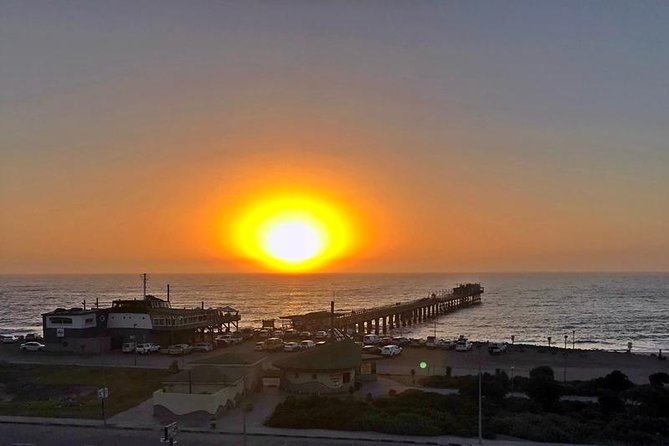
Day 5 is the main wildlife day. Etosha’s defining feature is the scarcity of water, and the game-drive plan follows that fact. You visit as many waterholes as possible, hoping animals arrive for an early drink.
The drive includes a stop at a designated picnic area for a quick breakfast, then continues toward Halali camp. The day takes about seven hours and includes game driving in the Chameleon Safaris vehicle.
You may find this approach more rewarding than a nonstop search across the park. Waterholes concentrate animal activity, while the open, dry setting lets you scan a broad area. The guide and driver still need patience and luck, but the route is based on how Etosha works rather than on random mileage.
Halali’s name comes from a European hunting bugle call used to signal that a hunt was over. That detail gives the camp a historic name, but the practical point for you is that it forms part of the second Etosha night. The extra night means less pressure to see everything during the first afternoon.
Etosha is not a lush safari setting. Expect dry ground, open views, and water as the organizing force. If you want dense vegetation and constant animal action, this may feel stark. I find the sparseness part of its appeal, because every waterhole becomes a focal point and every sighting feels tied to the conditions of the park.
Day 6: Etosha to Windhoek through Okahandja
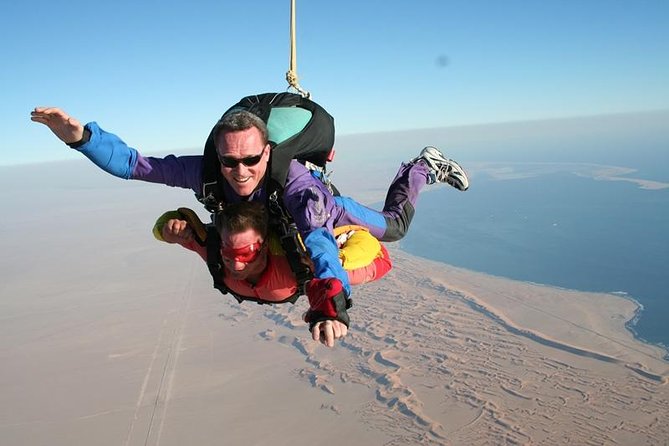
After breaking camp for the final time, you head south toward Windhoek. The route stops briefly in Otjiwarongo for fuel and continues through Okahandja.
Okahandja is home to Namibia’s largest wood carving market, where craftspeople from across the country display large and small pieces. You have the chance to buy a souvenir while supporting local artists and communities. This is a better final stop than a generic roadside shop because it connects your spending with Namibian makers.
The return journey takes about eight hours, and arrival in Windhoek is planned for late afternoon. A shuttle takes you to accommodation within Windhoek city limits.
That final day is long, so do not schedule a tight onward flight or important appointment without checking the timing. The shuttle is useful if you are not staying near the original pickup point, but the stated service applies within the city limits.
What the $1,355.66 price really covers
The price makes sense if you want one booking to handle transport, national park access, camp equipment, meals, and guided sightseeing. Park entry fees can add up quickly, and the package includes both national park fees and game drives in a Chameleon Safaris vehicle.
Included meals are five breakfasts, six lunches, and four dinners. Tap water is included, but drinks and mineral water are not. The meal count is generous for a six-day route, though you should confirm the exact meal plan if you have dietary needs.
You must add the cost of a sleeping bag if you do not bring one, plus optional Swakopmund activities and tips. These extras do not make the base price poor value, but they affect your final budget. I would compare this tour with the cost of arranging a private vehicle, park fees, camping gear, fuel, and meals yourself. For a group capped at nine, the guided package is likely easier and more predictable.
The 4.9 rating from 36 published ratings and 97 percent recommendation indicate a very strong satisfaction record. The praise is especially useful for first-time campers: one person described being nervous about camping, then found the tent setup manageable after Raymond’s help and felt that the trip did not feel cheap.
Comfort, fitness, and group size
This is a budget camping safari, not a luxury lodge circuit. You need moderate physical fitness, mainly because of the early start at Sossusvlei, the dune climb, camp setup, and long days in the vehicle.
The maximum group size of nine is a major advantage. You still share transport and camp routines, but the group is small enough that a good guide can give practical help. Raymond received especially strong praise for making a first-time camper feel comfortable. Simon is also named in the available feedback, with the trip described as well organized and fun.
The tour offers pickup from Windhoek accommodation within city limits at 7:00 am and a return shuttle to city accommodation. If you are staying outside those limits, confirm the meeting arrangement before paying.
There is one serious booking point: the experience is non-refundable and cannot be changed for any reason. Do not book until your dates, accommodation plans, and ability to meet the early start are firm.
Who should book this safari?
I would recommend it to you if you want Namibia’s major sights in a short, organized trip and are comfortable trading luxury for access and value. It suits first-time campers who want guidance, solo visitors who prefer a small group, and anyone who wants both desert scenery and wildlife without arranging several separate transfers.
It is less suitable if you want private space, slow mornings, extensive time in Swakopmund, or a lodge-based safari. The long drives are unavoidable on this route, and the schedule leaves little room for delays or personal detours.
The strongest fit is someone who sees the tent as part of the adventure, not an inconvenience. You get two desert nights, two Etosha nights, and two nights in town, a useful mix for a six-day trip.
Should you book it?
Book this safari if your priority is value, variety, and a small guided group. The combination of sunrise at Dune 45, two nights in Etosha, and a coastal pause in Swakopmund gives you a clear taste of Namibia’s greatest contrasts.
Before committing, confirm sleeping-bag arrangements, meal details, drinking water needs, and any optional activities you want in Swakopmund. If you can handle early mornings, long road days, and basic camping, the price covers a lot of Namibia in six days. If you need flexible dates or hotel comfort every night, choose a different style of trip.
FAQ
Where does the safari start?
Pickup is offered from accommodation within the Windhoek city limits at 7:00 am. You then transfer to Chameleon HQ for a short pre-departure meeting.
How large is the group?
The tour has a maximum of nine travelers.
Is camping equipment included?
Camping equipment is included, but a sleeping bag is not. A sleeping bag can be hired.
Are meals included?
Yes. The package includes five breakfasts, six lunches, and four dinners.
Are drinks and mineral water included?
No. Drinks and water, including mineral water, are not included. Tap water is provided.
What physical fitness level is required?
A moderate level of physical fitness is recommended. The schedule includes a pre-dawn start, a climb at Dune 45, camp setup, game drives, and several long road days.
Just added in Windhoek
- Windhoek: Katutura Township Tour with Local Guide★ 3.5 · 3 reviews
- Windhoek: City & Township tour. Vehicle, guide, kapana★ 4.2 · 4 reviews
- Windhoek: Dustenbrook Scenic Game Drive★ 5.0 · 1 review
- Windhoek: Okapuka Game Ranch Guided Tour★ 5.0 · 2 reviews
- Windhoek : Cheetah walk Experience★ 4.6 · 8 reviews
- 10-Day Private Yoga Adventure in Namibia★ 5.0 · 7 reviews
- Windhoek City and Township Tour★ 5.0 · 1 review
- Namibia Express Safari – 6 Days★ 5.0 · 1 review
Etosha Safaris, compared.
ETOSHA PARK SAFARI with local guides in 9-seater 4x4s
Read our review →
Safari in Etosha national park with professional tour guides born in Etosha.
Read our review →
9 Day Etosha, Skeleton Coast and Sossusvlei Camping and Lodge Safari
Read our review →
4-Day Etosha And Swakopmund Accommodated Adventure from Windhoek
Read our review →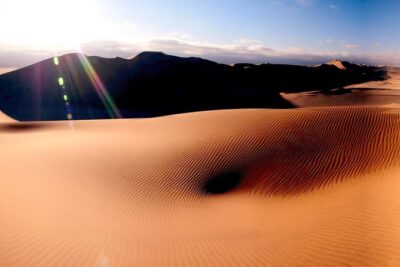
Browse the lists this tour appears in