
Reviewed · SAFARI
12 Day Classic Namibia Camping Safari
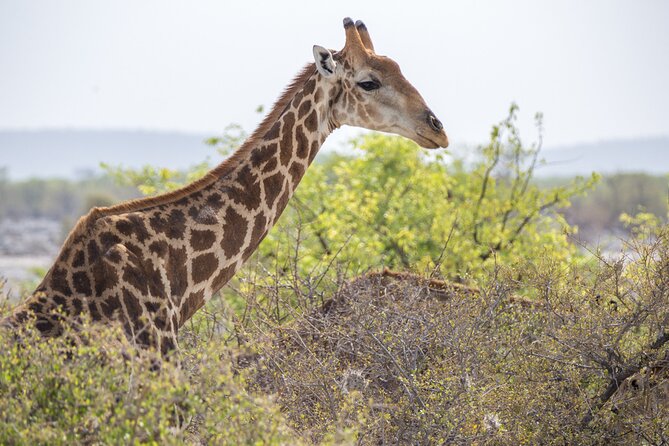
Namibia rewards early starts. This 12-day camping route packs in the country’s great contrasts, from rhino country and Etosha’s waterholes to the Skeleton Coast, giant Namib Desert dunes, Kolmanskop, and Fish River Canyon. I especially like the wide-ranging route and the chance to see Namibia’s famous sights without arranging a complicated chain of transport and campsites yourself.
The strongest parts are the wildlife time in Etosha and the sunrise visit to Dune 45 and Dead Vlei. Guides Tulimo and Gregory also receive special praise for both guiding and cooking, which matters on a trip where most meals come from the campfire. The main trade-off is simple: you spend 10 nights camping, cover long distances, and must bring your own sleeping bag. This suits an active budget traveler far better than someone seeking leisurely hotel-based touring.
In This Review
- Key reasons to consider this Namibia trip
- What the $3,071 price buys you
- Windhoek to Mount Etjo: a gentle first day with rhinos
- Etosha National Park: waterholes, predators, and a floodlit night
- Etosha’s second day: sunrise drives and the great white pan
- Meeting the Himba people and camping near Palmwag
- Skeleton Coast and Cape Cross: beauty with a rough edge
- Swakopmund: one night off from camp
- Sossusvlei and Dead Vlei: the trip’s visual high point
- Aus and Kolmanskop: desert history and wild horses
- Fish River Canyon and the Quiver Tree Forest
- Camping, meals, and the physical demands
- Who should book the Classic Namibia Camping Safari?
- Should you book it?
- FAQ
- Where does the safari start?
- What time does the tour begin?
- Where does the tour finish?
- How long is the safari?
- How many people can join the tour?
- How many nights are spent camping?
- Is a sleeping bag provided?
- Are meals included?
- Are drinks included?
Key reasons to consider this Namibia trip
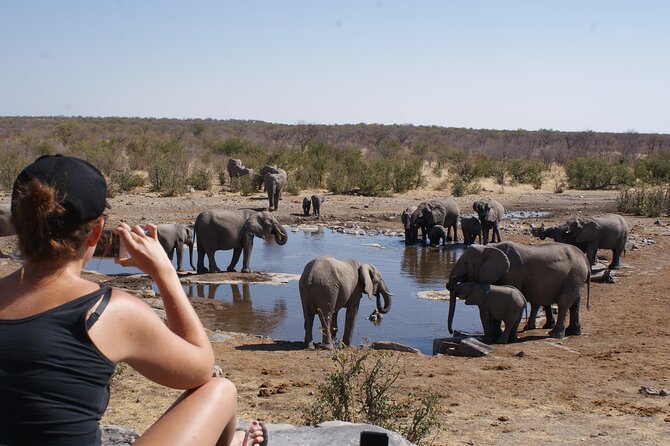
- Etosha after dark: The floodlit waterhole at Okaukuejo gives you a chance to watch for rhino, elephant, giraffe, lion, and hyena after dinner.
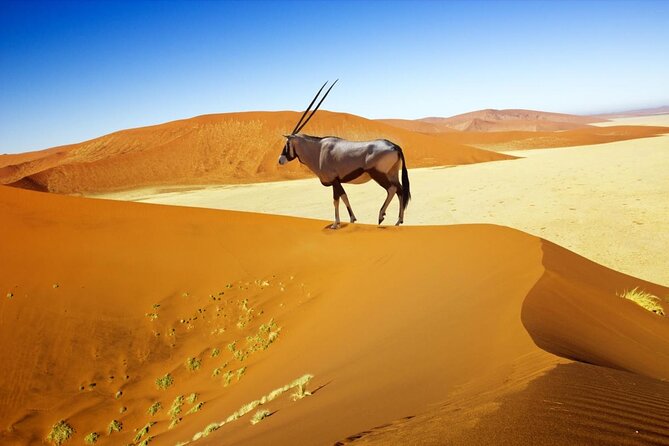
- Two full days around the Namib Desert: Dune 45, Sossusvlei, Dead Vlei, and Sesriem Canyon provide Namibia’s most famous desert views.
- A real culture stop: The Otjikandero Himba Village offers a guided look at traditional Himba life and customs.
- The wild Atlantic coast: Skeleton Coast National Park, Cape Cross, and the Zeila shipwreck bring fog, wrecks, rough seas, and a huge seal colony.
- A strong southern finish: Kolmanskop, the wild horses near Aus, Fish River Canyon, and the Quiver Tree Forest keep the final days worthwhile.
- Small group size: The maximum is 10 people, a useful limit when camping gear, meals, and wildlife viewing all happen around one vehicle.
What the $3,071 price buys you
At $3,071.21 per person, this is not the cheapest way to see Namibia, but it covers a lot of ground and removes much of the planning burden. You receive 10 nights of camping, one night of accommodation, camping equipment, 11 breakfasts, 11 lunches, and 10 dinners. You also have a guide handling the route, camp setup, driving, and many meals.
That package matters in Namibia. The route links Windhoek, Etosha, the Atlantic coast, Sossusvlei, the far south, and Windhoek again. Organizing that independently would mean arranging a vehicle, park visits, campsites, fuel, meals, and several long transfers. Here, the main work is showing up prepared and keeping pace with the group.
The value is strongest if you want variety. You are not paying for one wildlife park or a single desert stay. You are paying for a fast, carefully connected overview of Namibia’s major sights. The price feels less attractive if you already have a rental car, prefer private rooms, or want to linger in each area.
Bring money for drinks, including mineral water, soft drinks, and alcohol. Your sleeping bag is also not included. Since the final day involves a long drive back to Windhoek, do not schedule a flight that day.
More safaris in Windhoek:
- 6-Day Dunes and Wildlife Accommodated Safari from Windhoek
★ 5.0 · 123 reviews - 3 Day Sossusvlei Budget Camping Safari
★ 5.0 · 62 reviews - 6 Day Sand, Sea & Etosha Budget Camping Safari
★ 5.0 · 36 reviews
Windhoek to Mount Etjo: a gentle first day with rhinos
The trip begins at Chameleon Safaris on Ferry Street in Windhoek at 7:00 am. A short pre-departure talk gives you the chance to meet the group and hear the basic plan before leaving town.
The first stop is the Okahandja Mbangura Woodcarvers Craft Market. You have about an hour to browse carvings and practice bargaining. This is a useful early stop because it supports local craftspeople and gives you a chance to buy something made in Namibia rather than a generic airport souvenir.
Mount Etjo Game Reserve is the first major stop. The reserve works to support conservation, including the protection of black and white rhinos. You aim to reach camp before lunch, set up, eat, and then head out for an afternoon game drive.
The focus here is rhino conservation, not simply ticking animals off a list. You may also see other wildlife, and the drive ends around sunset. That first night sets the rhythm for the whole trip: early movement, outdoor meals, shared camp duties, and long hours outside.
Etosha National Park: waterholes, predators, and a floodlit night
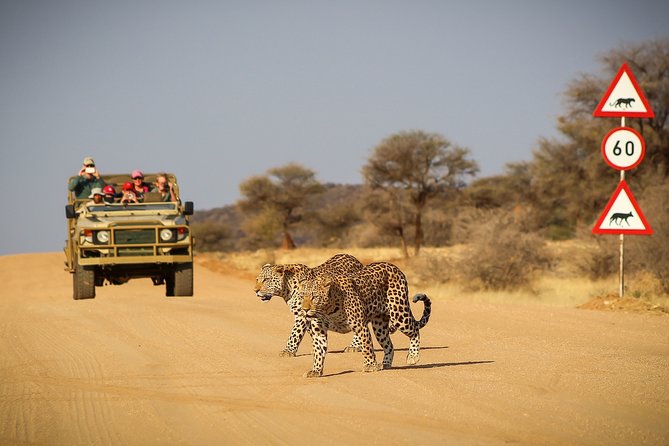
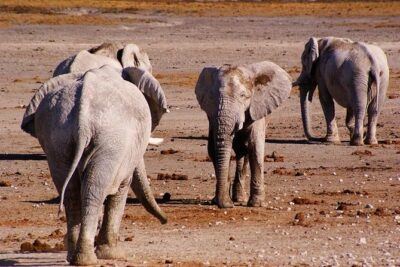
On day two, you make a short supply stop in Otjiwarongo before entering Etosha National Park. Once inside, the safari becomes a slow search from waterhole to waterhole. This is the right approach for Etosha, where wildlife gathers around reliable water sources in an otherwise dry setting.
You drive toward Okaukuejo, set up camp, eat lunch, and head out again in the afternoon. The goal is to find predators, plains animals, birds, and perhaps reptiles. Sightings are never promised, but the repeated waterhole visits give you more chances than a single short game drive.
The evening waterhole at Okaukuejo is one of the tour’s best features. After dinner, you can visit the floodlit viewing area, where rhino, elephant, giraffe, lion, and hyena frequently come to drink. This is a different kind of wildlife watching. You are no longer riding through the park. You are sitting quietly, waiting for animals to appear in the darkness.
Your guide prepares dinner over an open fire. That sounds romantic, and it can be, but remember that camping meals are part of the routine, not a restaurant service. Tulimo and Gregory are specifically praised for their cooking as well as their guiding, so the food side of the trip appears to be handled with care.
Etosha’s second day: sunrise drives and the great white pan
Day three begins at sunrise, when predators may still be active. You move between waterholes, eat breakfast at a fenced picnic area, and continue across the park toward Etosha Pan.
The pan covers about 4,500 square kilometers and is described as a saline desert. You can get out at the designated area and experience its great white openness on foot. This provides a needed change from sitting in the safari vehicle, though the heat and exposed setting can make the stop feel stark rather than comfortable.
The route continues to Halali, the central camp, where you can use the pool, visit the waterhole, and eat lunch. Afterward, you drive back toward Okaukuejo, stopping at more waterholes before reaching camp around sunset.
Two days in Etosha is a major strength. One afternoon can produce a lucky sighting, but the extra sunrise, daytime, and evening hours give you a better feel for the park. The trade-off is several early mornings in a row. If you need long, slow starts to the day, this schedule will test you.
More things to do in Windhoek:
- Windhoek: City and Township Tour
★ 4.8 · 430 reviews - Half-Day Windhoek City and Township Cultural Tour
★ 4.5 · 187 reviews - Windhoek: Bushman Walk with the San
★ 4.9 · 145 reviews - Windhoek City Tour
★ 5.0 · 113 reviews
Meeting the Himba people and camping near Palmwag
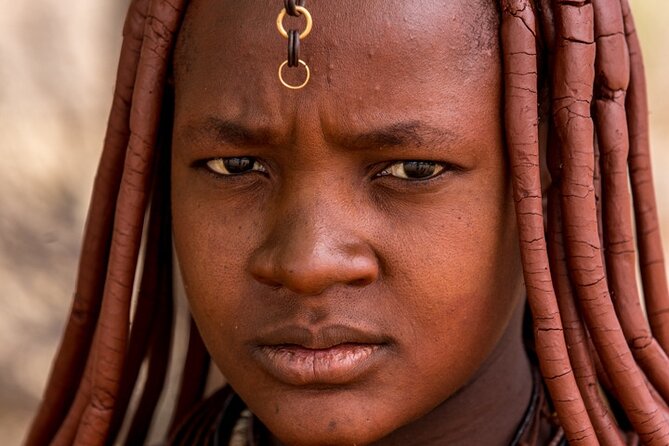
A final Etosha drive takes place on day four as you leave the park. Then you continue to Kamanjab and the Otjikandero Himba Orphan Village.
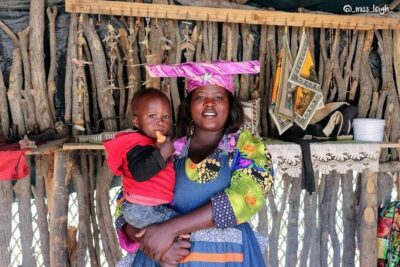
The guided visit is intended to explain Himba customs and daily life while allowing an exchange between the group and the village residents. This is one of the more meaningful stops because it adds human context to a trip otherwise dominated by wildlife and scenery. Approach it respectfully, listen carefully, and remember that a cultural visit is not a stage show.
After Kamanjab, you continue to Palmwag. The afternoon is quieter, with time at camp and the possibility of watching for desert elephants. That possibility is important: wildlife sightings in this area are not guaranteed. Still, the change from Etosha’s waterholes to the dry Palmwag setting gives you another view of how animals survive in Namibia.
Skeleton Coast and Cape Cross: beauty with a rough edge
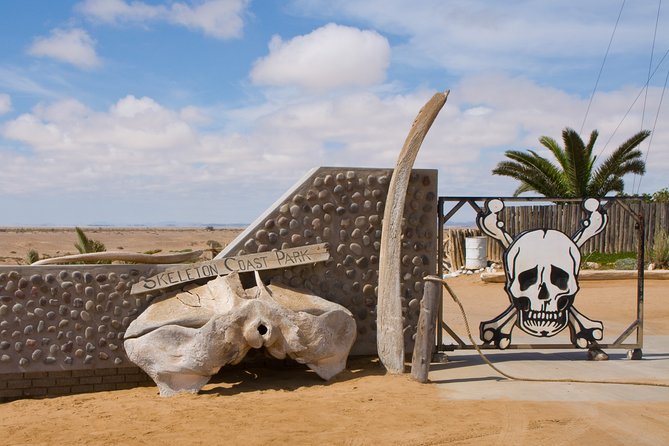
Day five takes you west through Skeleton Coast National Park toward the Atlantic. The coast is known for thick fog, strong currents, rough seas, and shipwrecks. The name is not poetic overstatement. This is a severe, spare place where the ocean and desert meet.
You reach Cape Cross in the afternoon, set up camp, and have some free time. You can walk along the beach, and the especially brave can try the Atlantic water. The more useful choice may be simply to enjoy the coast and watch the weather change.
The next morning brings the Cape Cross Seal Reserve, home to one of the world’s largest Cape fur seal breeding colonies. During the November and December breeding season, more than 200,000 seals may be visible. This is an extraordinary sight, but it is also loud and strongly scented. Bring patience and accept that the smell is part of the experience, not a problem the tour can solve.
You also stop at the Zeila shipwreck, a more recent Skeleton Coast casualty from 2007. The contrast between old maritime danger and a modern wreck makes the stop especially striking.
Swakopmund: one night off from camp
You arrive in Swakopmund around early afternoon on day six. This is the tour’s one clear break from the camping pattern, with a night in accommodation and dinner at your own expense.
Swakopmund is Namibia’s adventure center, and the free time gives you options. You can walk around town, eat in a restaurant, or book an activity such as skydiving or quad biking. The following morning, you can sleep a little later, enjoy breakfast, or take part in another optional activity. Sandboarding and quad biking are specifically offered, including a sandboarding run described at speeds of up to 60 kilometers per hour.
This stop is valuable because it resets you. After several nights of tents, fire-cooked meals, and early wildlife drives, a bed and a restaurant meal feel luxurious. The downside is that optional activities cost extra, and Swakopmund can become an expensive pause if you book several of them.
The group leaves no later than 11:30 am, so plan your morning carefully. This is not a full free day.
Sossusvlei and Dead Vlei: the trip’s visual high point
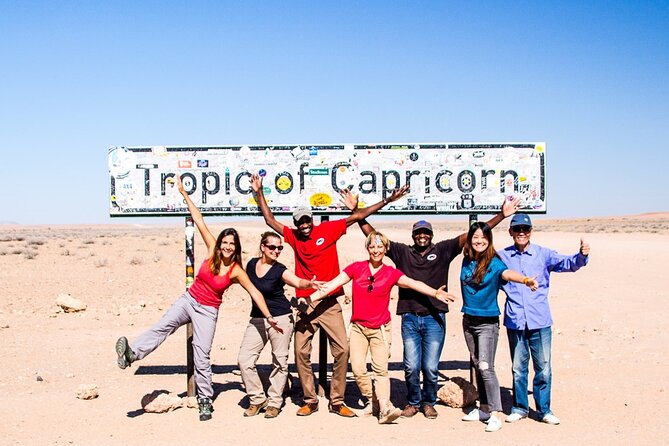
From Swakopmund, the route crosses the Kuiseb Pass and the Tropic of Capricorn before a short stop at Solitaire. Solitaire is mainly a snack and leg-stretch break, useful after the desert drive.
You reach Sesriem late in the afternoon and set up camp. There is a pool and bar, but the next morning begins before dawn, so an early night makes sense. The pre-dawn departure is one of the schedule’s smartest choices.
At Dune 45, you can climb the sand for sunrise. The climb is physically demanding, especially on loose sand, but you can choose your own pace. From the top, the changing light gives the dunes their famous lines and shadows. Afterward, breakfast helps restore some energy.
The route continues into the Sossusvlei area, then to Dead Vlei. The cracked clay floor and pale, dead camel thorn trees create a sharp contrast with the huge dunes behind them. This is the kind of place where the early alarm feels justified.
You return to Sesriem around lunchtime for food, a swim, or a rest during the heat. Later, you visit Sesriem Canyon, a narrower geological feature that provides variety after the open dunes. The combination of Dune 45, Sossusvlei, Dead Vlei, and the canyon makes days seven and eight the visual center of the trip.
Aus and Kolmanskop: desert history and wild horses
After leaving Sesriem, you head south through the Namib Rand Nature Reserve toward Klein Aus Vista. The southern route is less about major attractions every hour and more about broad desert views, quiet roads, and changing colors.
At Klein Aus, you have time for a short walk, sunset, and another campfire dinner. This is a good place to slow your pace briefly, though the overall route remains active.
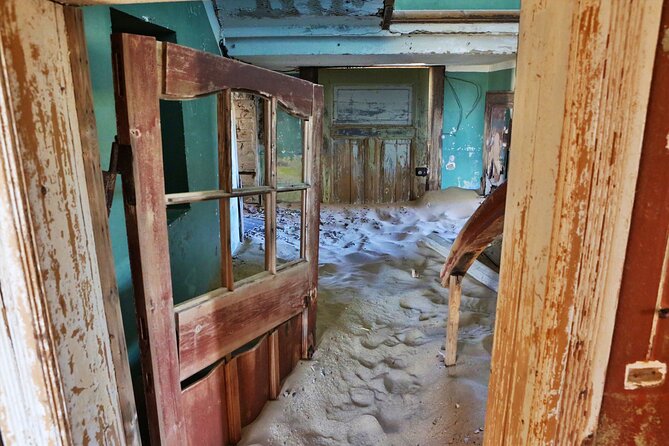
Day ten starts with Kolmanskop, located about 15 kilometers outside Lüderitz. The former diamond town grew quickly during the 1910 diamond boom, with luxury housing, a bowling alley, and the first X-ray machine in the Southern Hemisphere. Once the diamonds declined, residents left, and sand began filling the abandoned buildings.
Kolmanskop is memorable because the desert is taking the town back. It also offers strong photographic subjects, though the experience depends on your interest in old buildings and desert history. Afterward, you visit Lüderitz, known for colorful colonial-era buildings on the Atlantic shore, then continue to Diaz Point and the original Diaz Cross.
On the return toward Aus, watch for the wild horses of the Namib Desert. Their origin remains uncertain, and sightings are not guaranteed. If you see them, treat it as a lucky moment rather than a scheduled attraction.
Fish River Canyon and the Quiver Tree Forest
Day eleven heads east to the Hell’s Bend viewpoint at Fish River Canyon. The canyon formed through water erosion and movement in the earth’s crust, and the viewpoint gives you a broad look across one of the world’s largest canyon systems.
This is a short stop, but it carries visual weight after the dunes and coast. You are seeing another result of time and erosion, this time on a far bigger scale than Sesriem Canyon.
After lunch, you continue to the Quiver Tree Forest near Keetmanshoop. About 250 quiver trees grow here, with the oldest estimated at 200 to 300 years. The kokerboom, or quiver tree, is Namibia’s national tree, and the forest became a national monument in 1995.
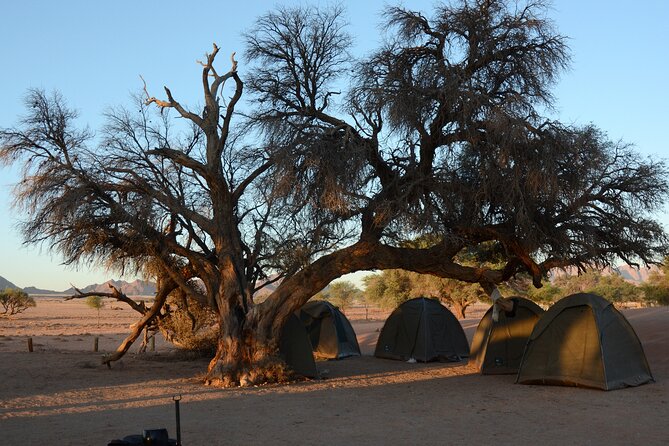
You camp here for the final night. The location is especially appealing for night-sky photography, though permits for night photography are not included. Sunrise among the quiver trees begins day twelve before the long return drive through Mariental and Rehoboth to Windhoek.
Camping, meals, and the physical demands
This is a camping safari in the practical sense. Camping equipment is supplied, but your sleeping bag is not. You should also budget for all drinks, including bottled water, soft drinks, and alcohol.
Meals are included for nearly the entire route: 11 breakfasts, 11 lunches, and 10 dinners. Guides prepare dinner over an open fire, and the praise directed at Tulimo and Gregory for both guiding and cooking is reassuring. Still, you should expect shared outdoor routines rather than tailored restaurant menus.
The tour requires a moderate level of physical fitness. The Dune 45 climb, repeated camp setup, early departures, long drives, and changing weather all matter. A maximum group of 10 keeps the experience smaller than a large coach tour, but you still need to cooperate with departure times and shared camp life.
Pickup is offered, the mobile ticket is convenient, and the trip starts at Chameleon Safaris at 7:00 am. Confirmation arrives at booking. The experience is non-refundable and cannot be changed after booking, so make sure your dates and flight plans are firm before paying.
Who should book the Classic Namibia Camping Safari?
You should consider this trip if you want to see a large portion of Namibia in one organized journey, enjoy wildlife and desert scenery, and are comfortable sleeping outdoors. It is also a strong choice for a budget-minded visitor who wants guides, transport, meals, and camping gear arranged in one package.
I would be more cautious if you dislike early mornings, long drives, shared meals, or basic campsites. The route is packed, and you will not have much freedom to add extra time in Etosha, Swakopmund, Sossusvlei, or the south.
The published score is 5 out of 5 from 77 ratings, with 100 percent recommending the experience. The clearest praise centers on the route’s highlights, especially Etosha, the dunes, and Kolmanskop, plus the work of guides Tulimo and Gregory. Those are meaningful strengths because they cover wildlife, scenery, and the day-to-day practical side of camping.
Should you book it?
Book this tour if you want Namibia’s greatest hits in 12 days and you are willing to trade comfort and spare time for range. The itinerary reaches places that are difficult to connect casually, and it gives you two especially strong wildlife days in Etosha plus the best-known desert sights.
Skip it if you want private rooms, flexible schedules, or a slow photographic journey. For the right person, though, the combination of Etosha waterholes, Himba culture, the seal colony, Sossusvlei, Kolmanskop, Fish River Canyon, and quiver trees makes the price reasonable for such a full route.
FAQ
Where does the safari start?
It starts at Chameleon Safaris Headquarters on Ferry Street in Windhoek, Namibia.
What time does the tour begin?
The scheduled start time is 7:00 am.
Where does the tour finish?
The tour ends back in Windhoek, with drop-off at your accommodation.
How long is the safari?
The trip lasts approximately 12 days.
How many people can join the tour?
The maximum group size is 10 people.
How many nights are spent camping?
You spend 10 nights camping and 1 night in accommodation.
Is a sleeping bag provided?
No. Camping equipment is included, but you must bring or arrange your own sleeping bag.
Are meals included?
Yes. The package includes 11 breakfasts, 11 lunches, and 10 dinners.
Are drinks included?
No. Drinks are not included, including mineral water, soft drinks, and alcohol.
Just added in Windhoek
- Windhoek: Katutura Township Tour with Local Guide★ 3.5 · 3 reviews
- Windhoek: City & Township tour. Vehicle, guide, kapana★ 4.2 · 4 reviews
- Windhoek: Dustenbrook Scenic Game Drive★ 5.0 · 1 review
- Windhoek: Okapuka Game Ranch Guided Tour★ 5.0 · 2 reviews
- Windhoek : Cheetah walk Experience★ 4.6 · 8 reviews
- Windhoek City and Township Tour★ 5.0 · 1 review
- 10-Day Private Yoga Adventure in Namibia★ 5.0 · 7 reviews
- Namibia Express Safari – 6 Days★ 5.0 · 1 review
Safari, compared.
6-Day Dunes and Wildlife Accommodated Safari from Windhoek
Read our review →
Elephant Adventure with Herson – a native of Damaraland
Read our review →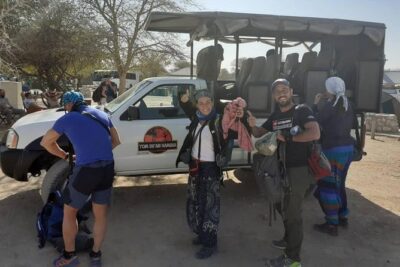
ETOSHA PARK SAFARI with local guides in 9-seater 4x4s
Read our review →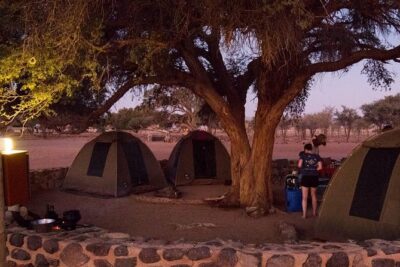
6 Day Sand, Sea & Etosha Budget Camping Safari
Read our review →
Safari in Etosha national park with professional tour guides born in Etosha.
Read our review →Browse the lists this tour appears in