
Reviewed · ETOSHA SAFARIS
Etosha National Park: Full or Half-Day Game Drive
Wildlife starts at the gate. This Etosha safari pairs an open 4×4 with guides who know the park from years of local experience, including Ben, Amone, and Matias. I like the early start, which puts you inside at opening time, and I like how the route changes with fresh animal sightings rather than following a rigid loop.
The main consideration is the cold morning air and the extra costs. The tour costs $123 per person, but you must also pay the NAD 150 park fee in cash, and lunch and drinking water are on you. Half-day bookings require you to meet at Anderson Gate, with no pickup.
In This Review
- Key points to know before you book
- Starting at Anderson Gate before the crowds
- The open 4×4 makes Etosha easier to watch
- A route shaped by sightings, weather, and animal behavior
- Morning sightings can set the tone for the day
- The midday break gives you a useful reset
- Afternoon driving brings patience and more searching
- Full-day or half-day: choose by your priorities
- What the $123 price really covers
- The guides are the heart of the experience
- What to pack for a better day
- Who should book this Etosha drive?
- Should you book it?
- FAQ
- Where does the Etosha safari start?
- Is pickup available for half-day tours?
- How much is the Etosha park entrance fee?
- Is lunch included?
- Is drinking water provided?
- What languages does the guide speak?
- Can I cancel the booking?
Key points to know before you book
- Meet at Anderson Gate early: Free parking lets you arrive in your own vehicle and be among the first cars through the gate.
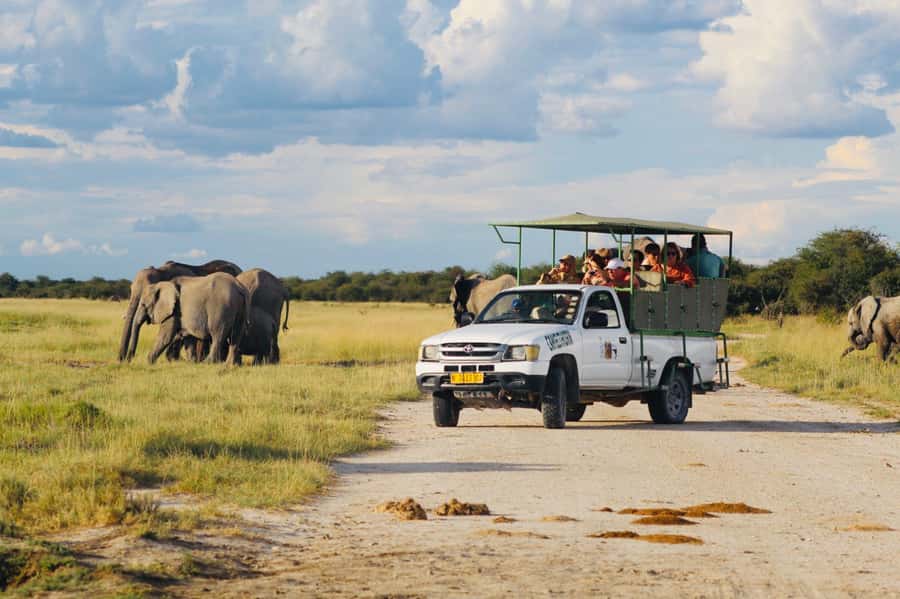
- Open 4×4 viewing: You get a clear, high-sided platform for photographs and wildlife watching, but mornings can be very cold.
- Local guiding matters: Guides such as Ben use detailed animal knowledge and radio contact with other guides to help locate wildlife.
- Flexible route: The drive changes with weather and recent sightings, so no fixed animal list is promised.
- Full-day value: A one-hour midday stop at a park restaurant breaks up the long drive, with lunch purchased separately.
- Bring cash and warm layers: The entrance fee is excluded, and a windbreaker, water, and warm clothing are essential.
Starting at Anderson Gate before the crowds
For the best start, drive yourself to Anderson Gate near Okaukuejo. The parking is free, secure, and on site, and meeting there avoids waiting for a pickup vehicle to collect several people before entering Etosha.
That early meeting point is more important than it may sound. Etosha opens at a set time, and being ready at the gate can put you among the first vehicles inside. Early hours also give you cooler temperatures, softer light, and a better chance of watching animals before the park roads become busier.
If you are staying within about 30 minutes of Anderson Gate, pickup may be available for a full-day tour. It is not available for half-day bookings, so you must reach the gate yourself. People staying at Okaukuejo Lodge or Okaukuejo Camp should check the arrangements carefully: the normal meeting point may still be Anderson Gate, especially if the operator has no other clients entering that day.
The meeting instructions deserve close attention. One booking had a pickup-location misunderstanding that caused a delay, so confirm the exact place and time before the morning of your drive. A quick WhatsApp message can save you from standing outside the wrong lodge while the animals are already getting an early start.
More Etosha safaris:
- ETOSHA PARK SAFARI with local guides in 9-seater 4x4s
★ 5.0 · 87 reviews - 3 Day Etosha Budget Camping Safari
★ 5.0 · 37 reviews - 6 Day Sand, Sea & Etosha Budget Camping Safari
★ 5.0 · 36 reviews
The open 4×4 makes Etosha easier to watch
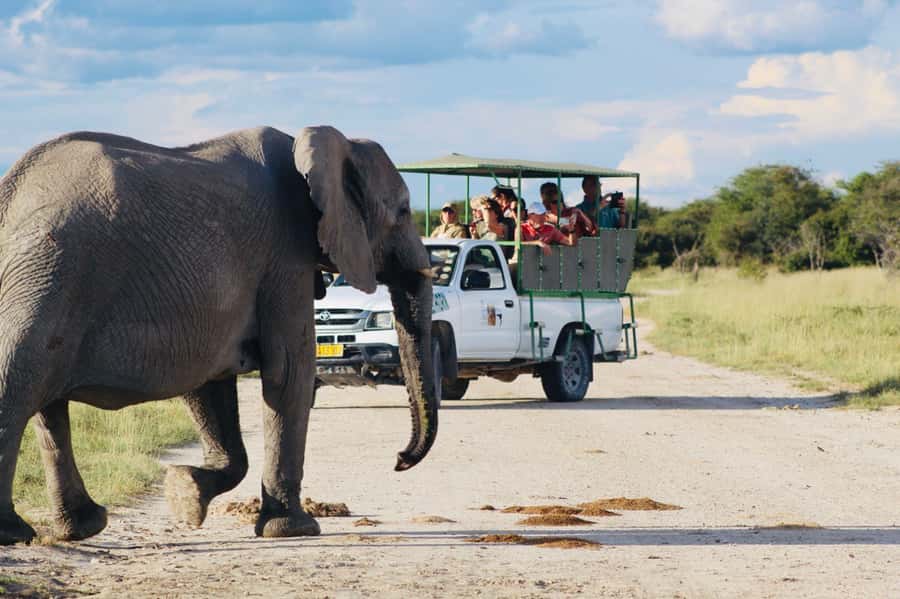
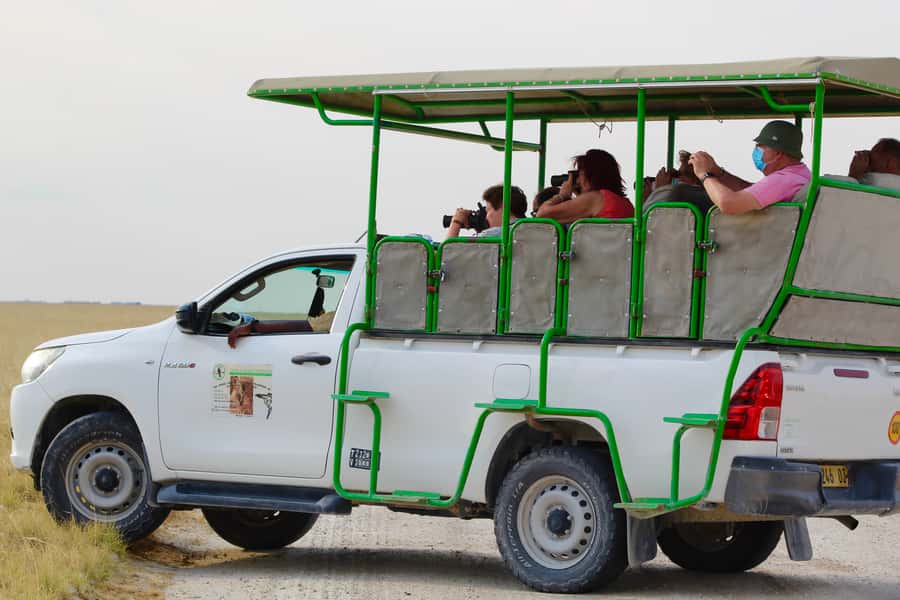
Once inside the park, you change into an open safari vehicle designed for wildlife viewing. The open sides and raised seating give you a clear view across the dry plains and toward waterholes, with fewer obstructions than you would have in a normal car.
This is especially useful for photography. The guides make room for long stops when an animal is behaving well, and they reposition the vehicle when needed for a better angle. Several visitors praised the careful driving and the way guides stopped at the right moment instead of rushing from sighting to sighting.
There is a tradeoff. An open vehicle exposes you to the wind, and the first hours can feel surprisingly cold even under the Namibian sun. July mornings drew repeated warnings about the chill, but the advice applies well beyond winter. Bring a warm fleece, hat, and windbreaker. A warm fleece poncho is supplied, which helps, but I would still dress in layers.
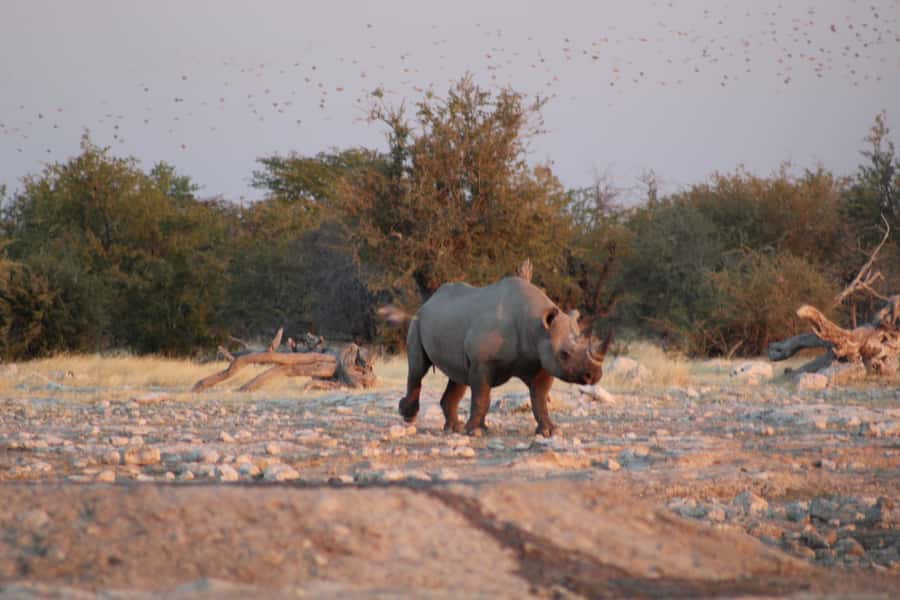
The open vehicle also asks you to stay alert. You are there to watch, not to stand or move around whenever you like. Follow the guide’s instructions near elephants, lions, and rhinos, and never ask for a closer approach simply to improve a photograph.
A route shaped by sightings, weather, and animal behavior
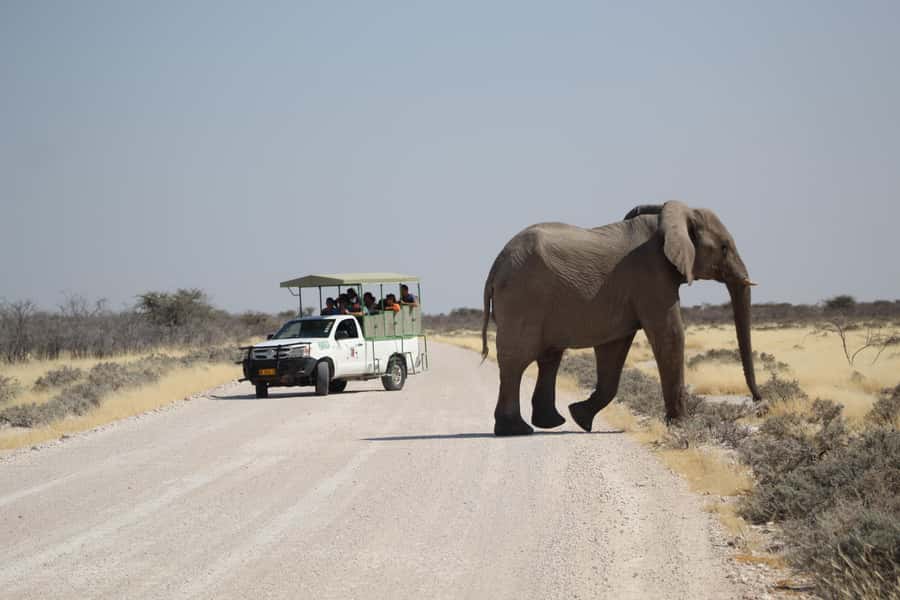
There is no fixed sightseeing circuit. The guide adjusts the route each day using recent animal sightings, weather conditions, and information shared with other guides.
That flexibility is one of the strongest reasons to choose this tour instead of simply driving around alone. A local guide can recognize the difference between an ordinary stop and a place worth waiting. Guides such as Ben were repeatedly praised for spotting animals that were hard to see and for having a good sense of where animals might appear next.
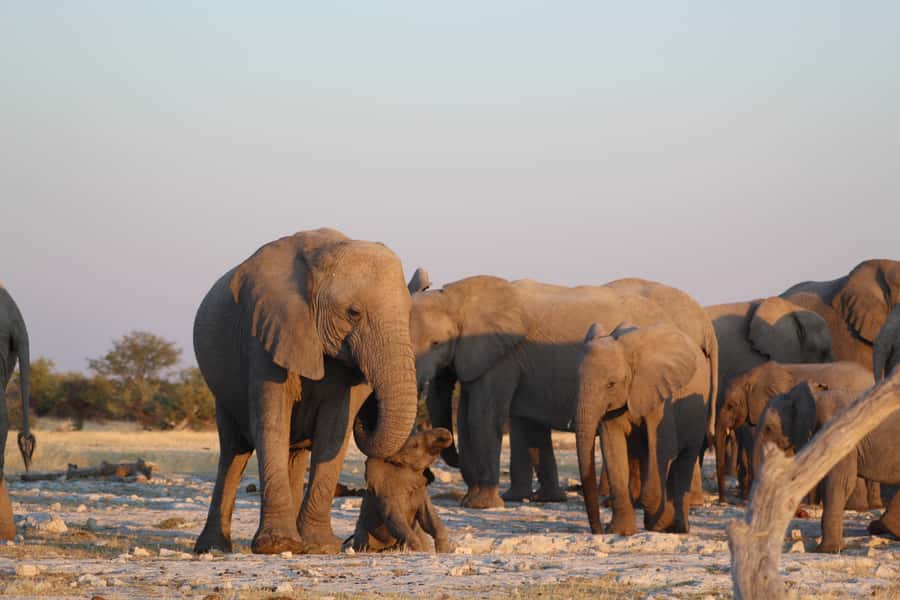
Radio contact with other guides also helps. The guides exchange information about sightings, which can send the vehicle toward elephants at a waterhole, a pride of lions, or a rarer cheetah sighting. This does not guarantee a particular animal, but it improves your odds and saves time that you might otherwise spend checking empty roads.
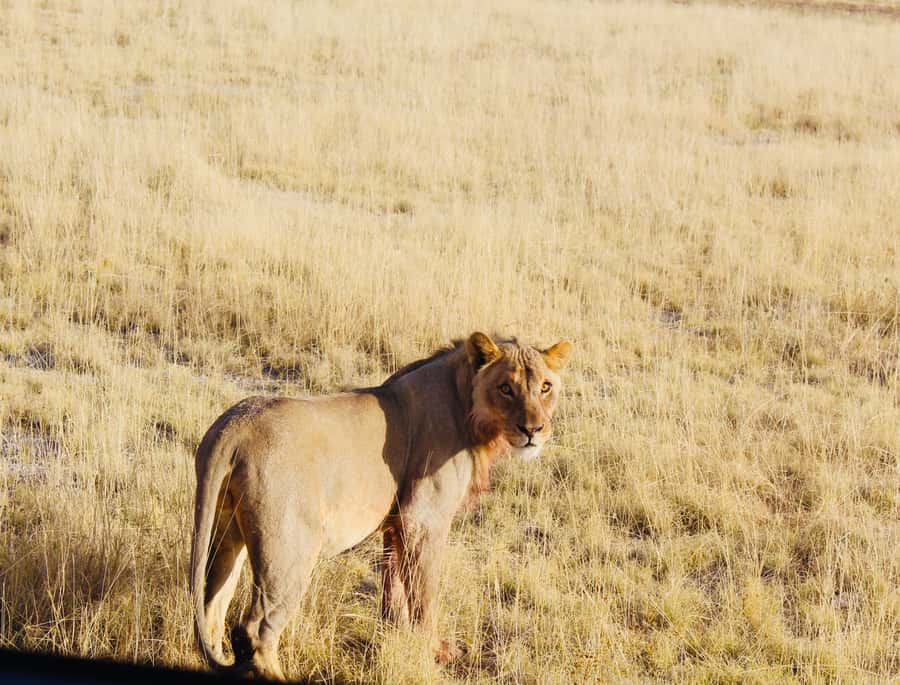
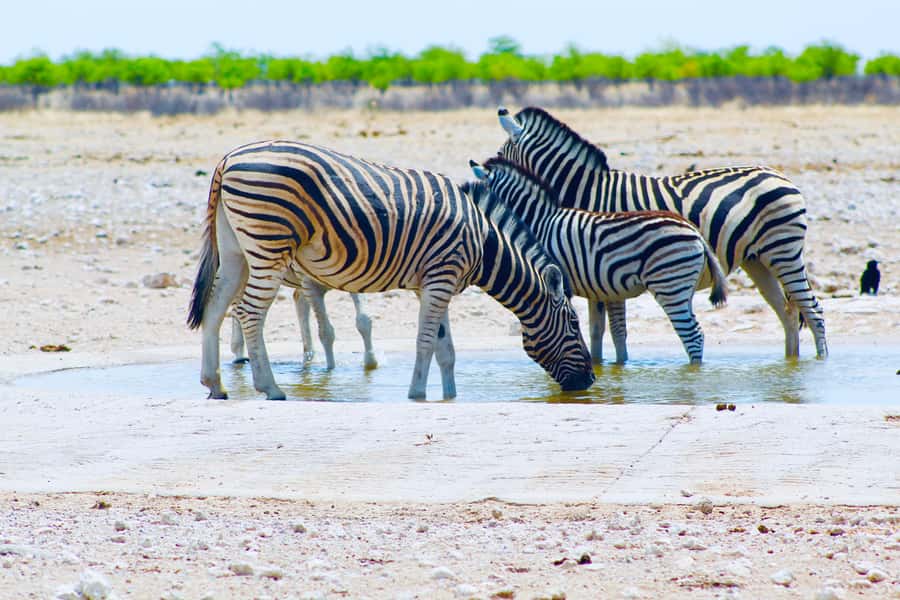
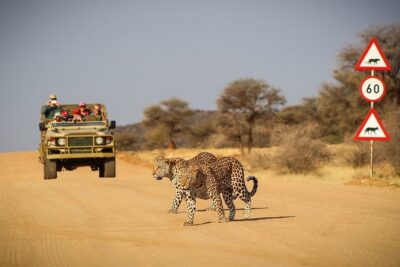
Still, Etosha is a wild park, not a zoo. You may see elephants, lions, giraffes, zebras, rhinos, springboks, oryx, wildebeest, warthogs, ostriches, and many birds. Cheetahs and leopards are possible, but no responsible guide can promise them. The best approach is to hope for the big sightings while taking pleasure in the smaller antelope, birds, tracks, and animal behavior along the way.
Morning sightings can set the tone for the day
The morning portion is usually the most eagerly anticipated part of the drive. Cooler conditions can make animals more active, and the lower light is kind to photographs. It is also when the vehicle begins working through the most recent information from the gate and other guides.
The exact route depends on the day, so you should not expect a named sequence of stops. Instead, expect a moving search through Etosha’s open country, with pauses at places where animals gather or where the guide notices something unusual.
The strongest sightings described by passengers included family groups of lions, elephants bathing at a waterhole, giraffes, rhinos, zebras, oryx, springboks, and cheetahs. One full-day party had seen a large range of species by midday, then found a lion family later in the afternoon. Another group had a particularly memorable early encounter with lions.
The guide’s role is not just to point at animals. Ben was praised for explaining animal behavior, the park’s ecology, and Namibia’s history. He was also described as friendly, funny, patient, and willing to answer questions. That matters on a long drive. A quiet stretch of road becomes more interesting when you understand why animals gather at certain places or how to read their behavior.
Binoculars are available on board for shared use. I would use them for distant antelope, birds, and movement at the edge of a waterhole, while keeping your camera ready for closer animals.
More safaris in Namibia:
- 6-Day Dunes and Wildlife Accommodated Safari from Windhoek
★ 5.0 · 123 reviews - Elephant Adventure with Herson – a native of Damaraland
★ 4.7 · 96 reviews - 12 Day Classic Namibia Camping Safari
★ 5.0 · 77 reviews - 3 Day Sossusvlei Budget Camping Safari
★ 5.0 · 62 reviews
The midday break gives you a useful reset
A one-hour midday break is planned at a restaurant inside the park. You can bring your own lunch or buy a meal there, but neither lunch nor drinking water is included.
This pause is practical rather than luxurious. After several hours in an open vehicle, you will appreciate the chance to eat, stretch, warm up, and use facilities before the afternoon drive. It also prevents the full-day experience from becoming one long stretch of sitting and scanning.
The cost issue is worth planning for. At $123 per person, the safari already represents a substantial outing, and some people reasonably expect lunch or refreshments at that price. A past booking specifically felt that water and refreshments should have been included, even though the guide supplied a bottle. To avoid relying on that, carry your own water and food, or budget for the restaurant.
The stop also creates a natural dividing line. If you have booked a full day, you can judge your energy at lunch. The afternoon section continues after the break, and the longer format is useful if you want more time for patient observation rather than a quick list of sightings.
Afternoon driving brings patience and more searching
After lunch, the vehicle continues through the park, again following current information and the guide’s judgment. Afternoon conditions may change the pace. Some animals may settle, while others become easier to find as the day cools.
This second half is where the full-day option earns its keep. You have more time to wait at a waterhole, follow a promising report, or revisit an area without feeling pressed by a short schedule. Several people who chose the full-day format felt the time was worthwhile, especially when the guide allowed long, unhurried stops for photographs.
The drawback is simple: five to ten hours in an open vehicle is a long day. You should be comfortable with sitting for extended periods, repeated road travel, and stretches where nothing dramatic happens. The reward is that one good sighting can make the patient hours worthwhile.
The tour returns in the late afternoon to Anderson Gate, or to your lodge if that has been arranged in advance. Clarify the return plan before departure, particularly if your accommodation is inside the park or beyond the usual pickup area.
Full-day or half-day: choose by your priorities
A full-day drive is the better choice if Etosha is a major reason for your Namibia trip. You get the early start, the midday pause, and a second chance to find animals after lunch. The extra hours also make it easier to wait for a lion to move, an elephant to approach water, or a distant animal to become visible.
The half-day version suits you if you have limited time, a long drive ahead, or a smaller appetite for an all-day safari. It still provides the open 4×4, local guiding, and a route shaped by sightings, but there is no pickup and no promise of the same amount of time in the park.
Do not book the half-day option assuming it includes a convenient hotel collection. You must meet at Anderson Gate. Also check the available start time carefully, since the listed duration is flexible and availability determines the exact departure.
For departures from Halali, book at least 48 hours ahead and contact the operator directly through WhatsApp. A NAD 1,500 surcharge is paid to the guide. Namutoni departures also require 48 hours’ notice and carry a NAD 3,000 surcharge. These fees can change the value calculation, so compare them with your driving plans before booking.
What the $123 price really covers
The $123 price includes the open 4×4, fuel, an experienced local guide, shared binoculars, and a warm fleece poncho for cold mornings. Full-day pickup and drop-off may also be included for selected lodges within 30 minutes of Anderson Gate.
The real value is the guide’s local judgment. Self-driving Etosha gives you freedom, but you may spend time passing quiet waterholes or miss animals hidden in brush. A guide who knows the roads, watches animal behavior, and keeps in touch with other drivers can make each hour more productive.
The price is less attractive if you only want a short outing and already have a rental car. You still pay the park fee, food, and water separately, and the Halali or Namutoni surcharges add a lot. But for a full day from the Anderson Gate area, the combination of transport, fuel, guiding, and wildlife-finding skill is fair, especially if you value not having to manage the road while watching animals.
The entrance fee is NAD 150 per person and must be paid on site in cash. Bring extra cash for lunch if you plan to eat at the restaurant. Drones are not allowed, and babies under two can join free when sitting on a parent’s lap.
The guides are the heart of the experience
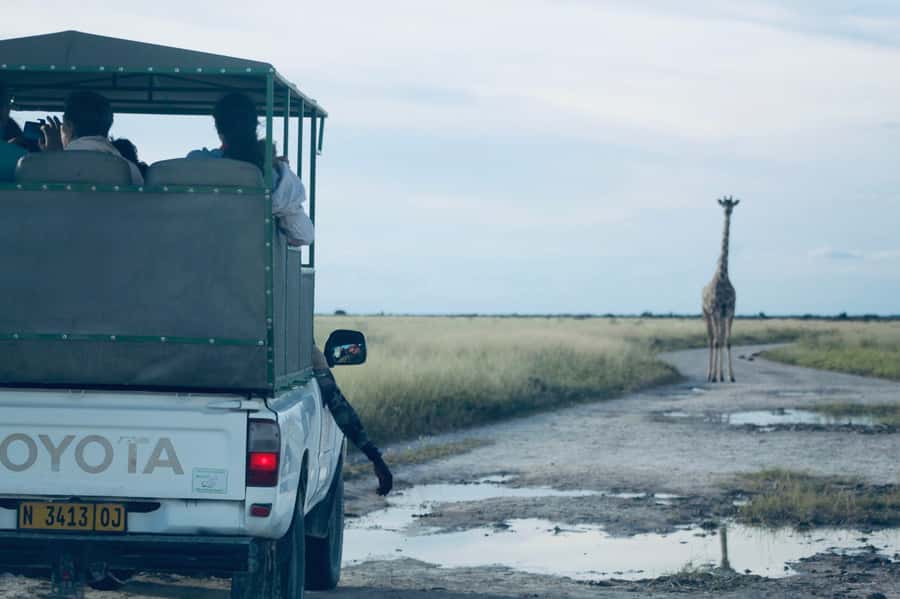
The strongest part of this safari is the human connection. The guide is born and raised near Etosha, and that lifelong familiarity comes through in the way the drive is run.
Ben receives especially warm praise for his humor, sharp eyesight, safe driving, patience, and ability to explain animals without making the day feel like a classroom. Amone is also praised for finding animals that were difficult to spot. Matias receives credit for using communication with other guides to locate wildlife.
You should still remember that guides can vary by date. Ask who is assigned if a particular guide matters to you, but do not book on the assumption that you will receive one named person unless the operator confirms it.
The guiding style appears to favor time over speed. The driver stops when something interesting appears, waits for good behavior, and shifts position for photographs without disturbing the animals. That is exactly what you want in Etosha, where the quality of a sighting matters more than the number of kilometers covered.
What to pack for a better day
Keep your packing simple but deliberate:
- Warm layers, especially from May through August
- A windbreaker for the moving vehicle
- Water for the whole outing
- Cash for the NAD 150 park fee and possible lunch
- A camera with spare batteries or a charged phone
- Binoculars if you prefer not to share the pair on board
Avoid bringing a drone. It is not permitted.
Wear clothing that lets you adjust as the day warms. The morning may feel bitterly cold in the wind, while the afternoon can be much more comfortable. Pack food if you prefer a quick picnic, but remember that the scheduled break is at a restaurant and meals are not part of the price.
Who should book this Etosha drive?
I would choose this tour if you want wildlife expertise without having to drive, search, and interpret every sighting yourself. It suits first-time visitors to Etosha, photographers who want time for better positioning, families who want a guide to explain what they see, and anyone staying near Anderson Gate.
It is also a good match for you if you care more about finding animals than following a set sightseeing plan. The flexible route and guide-to-guide communication are practical advantages, not just nice extras.
I would think twice if you need a guaranteed species list, dislike early starts, or want every meal and drink included. The cold, long hours, separate park fee, and meeting-point rules require some planning.
Should you book it?
Book the full-day drive if Etosha is high on your Namibia list and you want the best chance of a varied day. The early gate entry, open viewing vehicle, local guide, flexible route, and afternoon search add up to a strong experience for the price.
Choose the half-day option when time is tight, but arrange your own transport to Anderson Gate and expect less time for patient sightings. Bring warm clothes, water, and cash, and confirm pickup details in advance.
With a 4.6 rating from 175 bookings and repeated praise for Ben’s guiding, careful driving, animal-spotting ability, and friendly manner, TOM SAFARI NAMIBIA offers a sound way to see Etosha. It cannot control the animals, but it does a good job controlling the parts that matter: timing, local knowledge, safety, and patience.
FAQ
Where does the Etosha safari start?
The main meeting point is Anderson Gate near Okaukuejo, where free parking is available. Full-day pickup may be available from selected accommodation within a 30-minute radius.
Is pickup available for half-day tours?
No. Half-day bookings require you to meet directly at Anderson Gate.
How much is the Etosha park entrance fee?
The entrance fee is NAD 150 per person. It is not included in the safari price and must be paid on site in cash.
Is lunch included?
No. A one-hour midday break takes place at a restaurant inside the park, but you must pay for your own meal or bring your own lunch.
Is drinking water provided?
Drinking water is not included, so you should bring your own supply.
What languages does the guide speak?
The live guide service is available in English and Afrikaans.
Can I cancel the booking?
You can cancel up to 24 hours in advance for a full refund. The reserve-now-and-pay-later option lets you hold a place without paying immediately.
Just added in Namibia
- Windhoek: Township Tour amongst the locals★ 4.0 · 1 review
- Windhoek: Katutura Township Tour with Local Guide★ 3.5 · 3 reviews
- Windhoek: City & Township tour. Vehicle, guide, kapana★ 4.2 · 4 reviews
- Windhoek: Dustenbrook Scenic Game Drive★ 5.0 · 1 review
- Windhoek: Okapuka Game Ranch Guided Tour★ 5.0 · 2 reviews
- Walvisbay: Sandwich Harbour 4×4 & Sandboarding Tours★ 4.8 · 13 reviews
- Windhoek : Cheetah walk Experience★ 4.6 · 8 reviews
- Walvis Bay : Pelican Point Birding and Cape Fur seal tour★ 5.0 · 1 review
Etosha Safaris, compared.
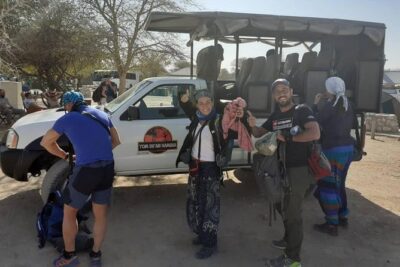
ETOSHA PARK SAFARI with local guides in 9-seater 4x4s
Read our review →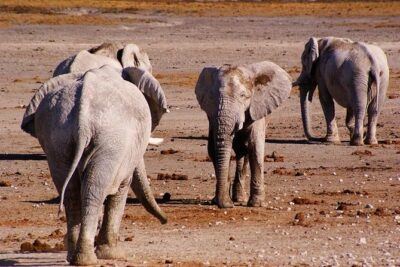
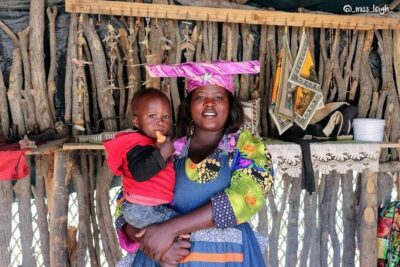
6 Day Sand, Sea & Etosha Budget Camping Safari
Read our review →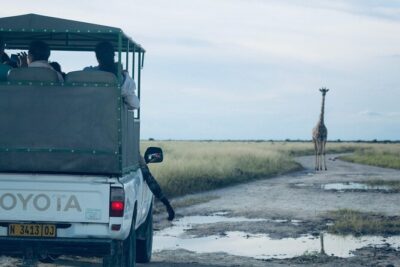
Safari in Etosha national park with professional tour guides born in Etosha.
Read our review →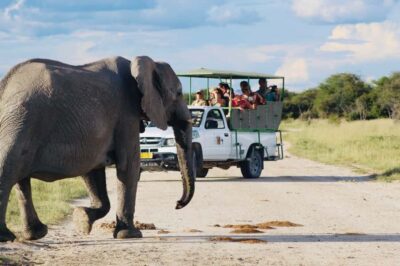
9 Day Etosha, Skeleton Coast and Sossusvlei Camping and Lodge Safari
Read our review →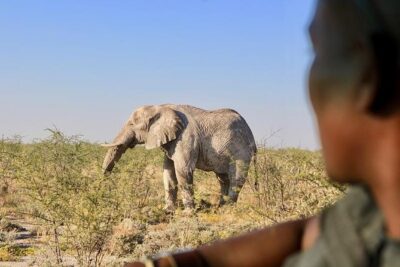
4-Day Etosha And Swakopmund Accommodated Adventure from Windhoek
Read our review →
Browse the lists this tour appears in