
Reviewed · TOWNSHIP TOURS IN SWAKOPMUND
Explorer Historical Private Township Cultural Tours
Township life is best understood on foot. Explorer Historical Private Township Cultural Tours takes you through Mondesa, a Swakopmund community where local food, music, language, crafts, and daily life come together. I like the personal format, with pickup from your accommodation and only your own group taking part. I also like the home-cooked meal and live choir, which give the visit more heart than a quick sightseeing stop.
The tour offers a useful introduction to several Namibian cultures, including Ovambo, Damara, Herero, and Ovahimba traditions. My main caution is time management: the advertised schedule is about four hours, but one account describes a late pickup and a much shorter visit. Ask for a firm pickup time and confirm the expected duration before you set out.
In This Review
- Key points to know before booking
- Starting in Mondesa with Nande
- The Mondesa open market
- Walking the streets of Mondesa
- Learning Damara clicks and greetings
- Herero and Himba cultural context
- A stop at a local tavern
- Food at a family home
- Crafts and community projects
- Schools and kindergartens
- Music from a Mondesa choir
- What $120 means for two people
- Timing, fitness, and practical concerns
- Who should book this Mondesa visit?
- Should you book Explorer Historical Private Township Cultural Tours?
- FAQ
- Where does the tour take place?
- Does the tour include hotel pickup?
- How long does the tour last?
- What time does the tour start?
- What languages are available?
- Is the tour private?
- What is the cancellation policy?
Key points to know before booking

- Walk through Mondesa with a local guide: See neighborhood streets, homes, children at play, sidewalk barbecues, and everyday community life.
- Meet several Namibian cultures: Learn about Ovambo, Damara, Herero, and Ovahimba traditions in one half-day visit.
- Try the Damara click language: The tour includes a lesson in the famous click sounds, along with the greeting Uuharapo.
- Eat at a family home: A locally prepared meal gives the visit a direct connection to household life and food traditions.
- Finish with local music: A choir performance from Mondesa provides a lively closing moment.
- Private pricing favors couples: The $120 rate covers up to two people, making it $60 per person when shared.
Starting in Mondesa with Nande
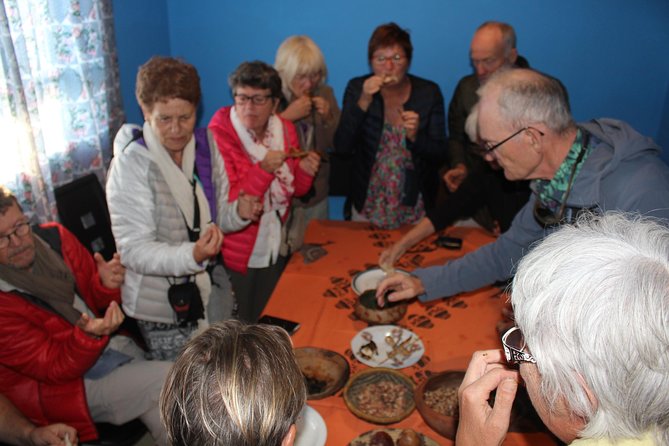
The tour begins with pickup at your accommodation in or around Swakopmund. The stated start time is 10:00 a.m., and morning or afternoon departures may be available when you book. Since the activity is private, you are not folded into a large coach group. That matters here, because a neighborhood walk works best when you can stop, ask questions, and set a comfortable pace.
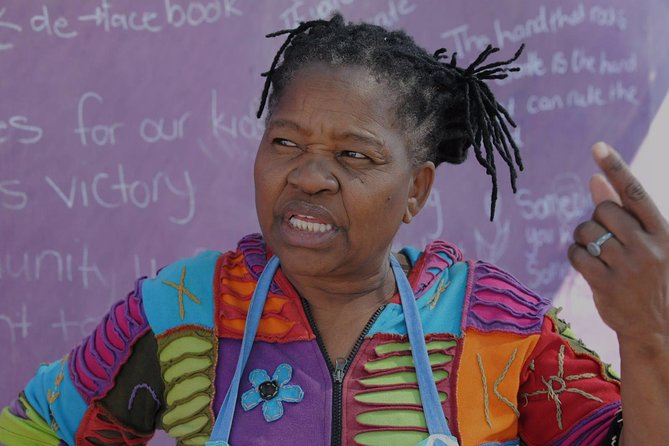
Local guide Nande is named as the guide for the market visit. A good guide is especially important on a township tour. You are not simply looking at buildings from a vehicle. You are entering a lived-in community, and your guide helps explain what you are seeing while keeping the visit respectful.
I would confirm three things before the day begins: the exact pickup time, the expected finish time, and which language your guide will use. English is the normal tour language, while French and German options can be requested at booking. The tour is usually described as about four hours, but the timing deserves attention because a late pickup can squeeze the whole program.
More Township Tours in Swakopmund
- Swakopmund: Mondesa Township Day Tour Experience
★ 3.8 · 25 reviews - Swakopmund Best Cultural Historical Township Tours Namibia
★ 5.0 · 8 reviews - Explorer Private Cycling Township Tours
★ 3.9 · 5 reviews
The Mondesa open market
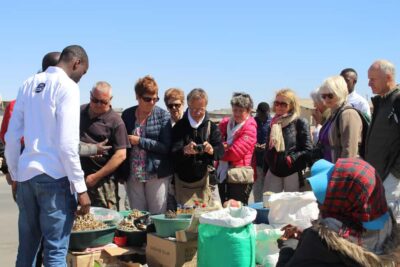
The open market is one of the first useful stops. With Nande guiding you, you can see local stalls and get a feel for how residents shop, sell, and socialize. The market also gives you a chance to buy souvenirs and take photographs.
Photography needs a little care. The tour specifically includes the chance to photograph the market, children, and houses, but you should always ask before photographing people, especially children. The suggestion to bring sweets for children is part of the tour information, yet I would treat that as optional and follow your guide’s advice. A friendly greeting, a smile, or a respectful conversation is often better than handing out treats.
This is also where the tour can feel less polished than a standard city attraction. Markets are working places, not staged displays. You may find noise, uneven walking conditions, changing stall activity, and less control over the pace. That is part of the point, but you should wear comfortable shoes and keep your expectations practical.
Walking the streets of Mondesa
The heart of the visit is a walk through Mondesa. You hear children playing, smell food cooking along the streets, and see houses and neighborhood activity at close range. The tour presents this as a chance to understand the warmth and humanity of township residents, but it also asks you to behave as a respectful visitor in someone else’s home area.
The walk is valuable because it moves beyond a general presentation of Namibia. You see how community life works in a real residential setting. Your guide can connect what you see to wider Namibian society, including the different backgrounds of Ovambo, Damara, Herero, and Ovahimba people.
Do not expect every cultural question to be answered in equal depth. Four hours is enough for an introduction, not a full study of Namibia’s many communities. I would use this portion to ask focused questions about language, family life, traditions, and how the different groups are represented in the area.
The tour calls attention to Ubuntu, the idea of shared humanity and mutual care. That theme helps frame the visit, but it is best understood through conversation and ordinary moments rather than through a formal lecture. The strongest parts are likely to be the small explanations you receive while walking.
Learning Damara clicks and greetings
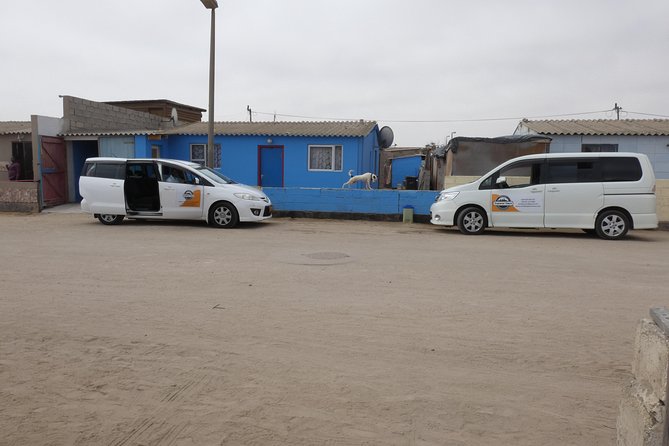
The language lesson is one of the most distinctive parts of this experience. You are taught how to make the famous click sounds associated with the Damara language. You also learn to say Uuharapo, a greeting included in the tour description.
This is a simple activity, but it can make the cultural exchange more personal. Instead of only hearing about the Damara people, you get to try a small piece of the language yourself. Do not worry if the clicks take several attempts. That is exactly the sort of moment where patience and humor help.
The lesson should be seen as an introduction, not a complete language class. The value is in hearing the sounds, understanding that Namibia contains several distinct languages and cultures, and making an effort to communicate respectfully. If you have time, ask your guide about pronunciation and when the greeting is appropriate.
A completely different kind of day:
- Walvis Bay: Marine Big 5 Luxury Catamaran Tour
★ 4.8 · 1,012 reviews - Swakopmund: Desert Dunes Quad Biking with Optional Sandboard
★ 4.9 · 590 reviews - Walvis Bay and Sandwich Harbour Tour
★ 4.8 · 483 reviews - Scenic Sandwich Harbour Tour
★ 5.0 · 277 reviews
Herero and Himba cultural context

The tour also explains Herero and Himba culture. This adds useful context to the wider discussion of Namibian identity. The experience does not present Mondesa as belonging to one single tradition. Instead, it introduces you to several groups and shows how varied Namibia is.
Because the visit covers Ovambo, Damara, Herero, and Ovahimba communities, the information will necessarily be broad. I would listen for the guide’s own examples and ask which customs are still common in daily life, rather than expecting a museum-style presentation.
This is a good part of the tour for visitors who have seen Namibia’s major natural sights but want a better sense of its people. Wildlife drives and desert excursions show one side of the country. A community visit adds another, though it requires more sensitivity and curiosity from you.
A stop at a local tavern
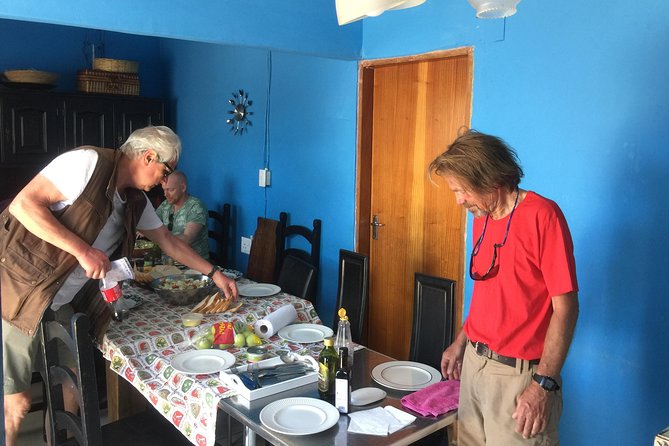
The visit to a local shebeen or tavern gives you a chance to enjoy a local beer with residents. This is a brief but telling stop. Taverns are social spaces, and the visit can show you a side of community life that is easy to miss from a sightseeing vehicle.
You should be comfortable with the informal nature of this stop. It is not a tasting room or a formal restaurant. The point is to share a drink in a local setting. If you do not drink alcohol, confirm what alternatives are available before booking, since the supplied details specifically mention enjoying a local beer.
This stop also raises the importance of guide judgment. A good guide will explain the setting and help you know what is polite. Since the tour is private, you may be able to spend more or less time here depending on the group’s interest, although the overall schedule still needs to stay on track.
Food at a family home
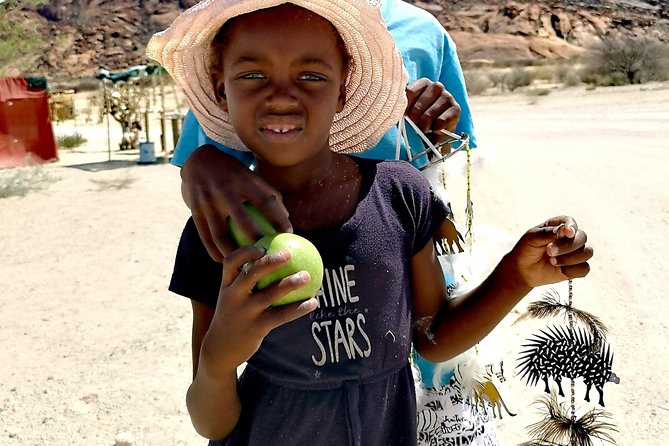
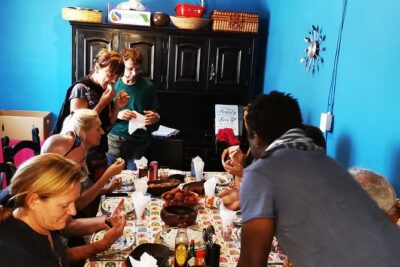
The home-cooked meal is one of the strongest reasons to choose this tour. Eating food prepared by a local family gives the visit a direct, human connection. You are not just hearing about community life. You are sharing a meal in a household setting.
The tour information also mentions local mopane worms. If that food is served, it may be one of the more unusual chances to try a regional ingredient. You should tell the operator about dietary needs when booking, because no special menu information is provided.
I like this part because food often explains culture better than a long speech. Ask what you are eating, how it is prepared, and when it is normally served. The family meal may be simple rather than elaborate, and that is appropriate. The value comes from the setting and the exchange, not from restaurant-style presentation.
Crafts and community projects
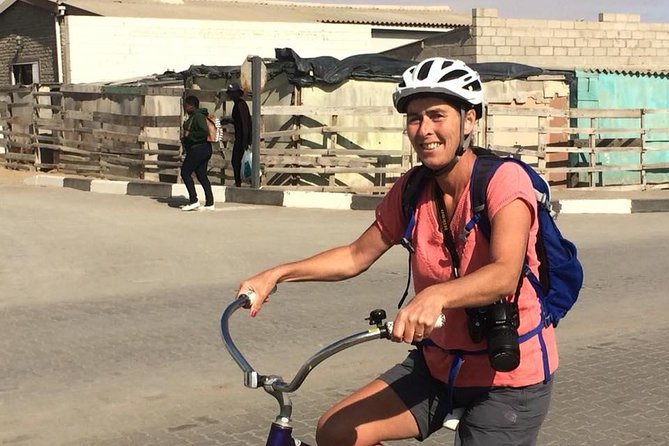
The tour includes a visit to community arts and crafts projects. This gives you a chance to see local creative work and support makers directly if you choose to buy something.
A crafts stop can feel commercial if handled poorly, so keep your expectations balanced. You may have time to browse and ask about the work, but the larger point is to learn how community projects operate and what local skills are being supported. If you plan to purchase souvenirs, carry a little spending money and ask your guide about prices and payment.
This stop also gives the tour a practical link to local livelihoods. Your purchase, if you make one, can be more meaningful when you understand who made the item and how the project benefits the community. Do not feel pressured to buy, but do give the makers your attention.
Schools and kindergartens
The program includes visits to schools and kindergartens, with time spent with children in the community. This can be a memorable part of the day, but it needs the most care.
Children are not attractions. Ask before taking pictures, follow the guide’s instructions, and avoid treating the visit as a photo opportunity. The request to bring sweets should not replace respectful behavior, and you can ask the operator what is genuinely useful before arriving.
The school stop may also depend on the day’s schedule and local arrangements. The supplied information does not promise a particular classroom activity, lesson, or length of visit. Think of it as an opportunity to learn about community institutions, not a guaranteed performance.
Music from a Mondesa choir
The day ends with a live performance by a local choir. This is a fitting finish because music brings the social and cultural themes together without requiring a long explanation.
A choir performance can also provide a clear closing point after the walking, market visit, meal, and cultural lessons. You may find it more formal than the tavern stop, but it remains rooted in the local community rather than being added as a generic entertainment show.
I would save a little energy for this final section. If the tour has run late, the closing performance is exactly the kind of feature that could be shortened or rushed. That is another reason to confirm the timing at pickup and speak up if the schedule starts slipping.
What $120 means for two people
The price is $120 per group of up to two people. Shared between two, that works out to $60 per person for roughly four hours. Compared with paying separate per-person rates, this is a sensible setup for a couple or two friends.
The price includes pickup around Swakopmund, the market visit, guide services, the tavern stop, the cultural explanations, the family meal, crafts projects, and choir performance. No entrance fee is required, so you should not need to budget for a separate admission charge.
The value depends on what you want from a cultural visit. If you prefer a polished museum tour or a fixed schedule, the price may feel high for a neighborhood walk. If you want direct contact with local people, a private guide, a meal, language practice, and music in one half-day, the cost is easier to justify.
Solo visitors receive less value because the full group price still applies. Couples get the best deal. Larger groups should ask how pricing works, since the stated amount covers only up to two people.
Timing, fitness, and practical concerns
You need a moderate level of physical fitness. The tour includes walking through Mondesa, market browsing, and moving between several community stops. Wear comfortable shoes and clothing suited to a four-hour outing.
The tour is offered with mobile tickets and pickup service. Confirmation is provided at booking. Since weather can affect the activity, a poor-weather cancellation may lead to another date or a full refund. The same applies if the minimum number of participants is not met.
The most important practical warning concerns scheduling. One account describes a pickup several hours late and a visit shortened to three hours instead of the expected five. The stated tour duration here is about four hours, so the figures are not fully consistent. I would contact the operator before the day, confirm the pickup window, and ask how long the walking portion and meal should take.
You can cancel for a full refund up to 24 hours before the local start time. Changes or cancellations made inside that period are not accepted for a refund. That is a fair policy, but note that weather and minimum-participant rules can also affect the departure.
Who should book this Mondesa visit?
I would recommend this tour to you if you want a personal introduction to Swakopmund’s communities and do not mind an informal, people-focused day. It suits couples especially well because the private $120 rate is shared by two people.
It is also a good match if you enjoy trying local food, learning a few words of another language, visiting markets, and meeting people outside standard sightseeing stops. The Damara click lesson, family meal, tavern visit, and choir make it more varied than a simple walking tour.
I would be more cautious if you have limited mobility, need a tightly timed program, or prefer not to enter residential and social spaces. The tour involves walking and informal visits, and one scheduling problem has been reported. Ask clear questions before paying.
Should you book Explorer Historical Private Township Cultural Tours?
Book it if you want human contact and local context more than polished sightseeing. The combination of Mondesa streets, cultural explanations, a home-cooked meal, Damara language practice, local beer, crafts, and choir music gives you a broad introduction in one half-day.
Before confirming, request the pickup time, expected duration, guide language, and details about the meal. If the operator can keep the schedule close to four hours, the private price is fair for two people. If timing matters greatly to you, build in flexibility and make the schedule question your first priority.
FAQ
Where does the tour take place?
The tour takes place in Mondesa Township, near Swakopmund in Namibia.
Does the tour include hotel pickup?
Yes. Pickup is offered from accommodations in and around Swakopmund.
How long does the tour last?
The experience is described as approximately four hours. Confirm the exact schedule and pickup time when booking.
What time does the tour start?
The stated start time is 10:00 a.m. Morning and afternoon departure options may be available at booking.
What languages are available?
Tours are conducted in English. French and German-speaking options can be requested when booking.
Is the tour private?
Yes. Only your group participates in the private activity.
What is the cancellation policy?
You can cancel up to 24 hours before the local start time for a full refund. Cancellations or changes made less than 24 hours before the start are not refunded or accepted. Weather or minimum-participant cancellations may result in another date or a full refund.
More History Tours in Swakopmund
- City Tour of Historical Swakopmund
★ 5.0 · 8 reviews - Half Day Swakopmund Cultural Historical Township Tour
★ 5.0 · 4 reviews - Cultural Tour in Swakopmund
★ 5.0 · 3 reviews - Half-Day Windhoek City and Township Cultural Tour
★ 4.5 · 187 reviews
Just added in Swakopmund
- Windhoek: Township Tour amongst the locals★ 4.0 · 1 review
- Walvis Bay Shore Excursion: Flamingos, Dune 7, Swakopmund★ 5.0 · 3 reviews
- Unforgettable Half Day Adventure, Explore Sandwich Harbour★ 5.0 · 3 reviews
- Swakopmund Explorer Township Tour in Mondesa with Nande the Township Local Guide★ 5.0 · 4 reviews
- Swakopmund Township Home Cooking Experience★ 5.0 · 1 review
- Walvisbay Dune 7 and Swakopmund Town Half Day Guided Tour★ 4.0 · 4 reviews
- Spitzkoppe – Day Tour to the Spitzkoppe Mountain from Swakopmund★ 5.0 · 3 reviews
- Sandwich Harbour 4×4 Guided Tour – Unforgettable Adventure★ 5.0 · 7 reviews
Township Tours in Swakopmund, compared.

Swakopmund Best Cultural Historical Township Tours Namibia
Read our review →

Half Day Swakopmund Cultural Historical Township Tour
Read our review →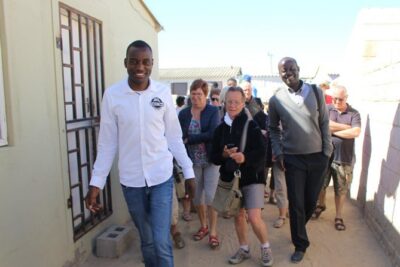
Swakopmund Explorer Township Tour in Mondesa with Nande the Township Local Guide
Read our review →
Browse the lists this tour appears in