
Reviewed · HALF-DAY
Predator Encounter: Half-Day Carnivore Feeding Windhoek
Big cats are close, but the setting matters. This half-day outing from Windhoek takes you to Naankuse Wildlife Sanctuary to see cheetahs, lions, leopards, caracals, wild dogs, and baboons during controlled feeding sessions. I like the chance to learn why these animals are called ambassador animals, and I like that the visit includes a scenic wildlife drive rather than ending when the feeding does.
The strongest parts are the close photo opportunities and the conservation talks led by the sanctuary team. You should also know what this is not: it is not a classic open-range safari, and some people may find the captive or semi-wild setting uncomfortable. The experience is best for visitors who want access, education, and predator behavior at close range.
In This Review
- Key points to know before booking
- What the Naankuse carnivore experience is really about
- Leaving Windhoek at 8:00 am
- Meeting the ambassador animals at Naankuse
- Watching the feeding sessions
- The scenic drive after the animals
- Conservation lessons worth hearing
- Is $170.92 good value?
- Who will enjoy this tour most?
- Practical tips for a better morning
- Should you book the Naankuse carnivore feeding tour?
- FAQ
- Where does the tour start?
- What time does the tour begin?
- Where does the tour end?
- How long does the experience last?
- Which animals might I see?
- Why are the animals called ambassador animals?
- Is transportation included?
- How many people can join the tour?
- Can I cancel for a full refund?
Key points to know before booking
- Naankuse’s ambassador animals cannot return to the wild, so the feeding visit focuses on education and care rather than a wild hunt.
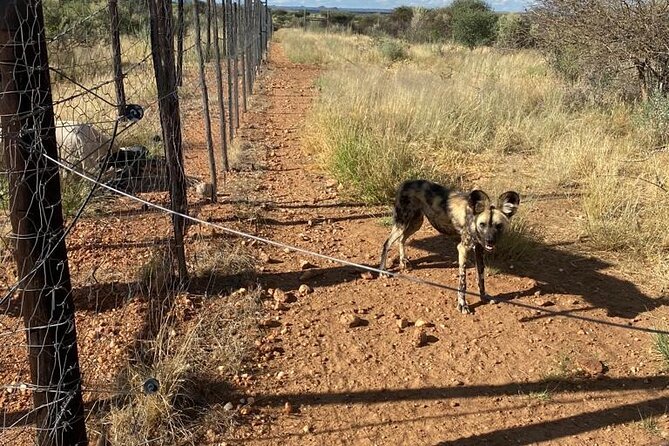
- You may see six types of animals, including baboons, caracals, lions, cheetahs, wild dogs, and leopards.
- The advertised duration is about five hours, with the sanctuary portion listed at about two hours and the rest allowing for transport and a scenic drive.
- Pickup begins at 8:00 am at Zoo Park on Park Street in Windhoek, with the tour returning to the same meeting point.
- Groups are capped at 10 people, which should make it easier to hear the talks and get a clear view.
- The price is $170.92 per person, a fair amount for a specialized wildlife outing, but a high cost if you want only a traditional safari drive.
What the Naankuse carnivore experience is really about
The central idea here is simple: you watch trained guides feed animals that cannot be released into the wild. These are not presented as ordinary zoo exhibits. They are animals with individual stories and permanent roles in conservation education.
That distinction is important. A cheetah racing after prey in open Namibia is a very different sight from a cheetah approaching a feeding area under human supervision. You can still observe strength, speed, alertness, and feeding behavior, but the experience does not recreate a natural hunt.
I see this as an educational wildlife encounter first and a safari second. If you want to understand the difficult choices involved in protecting predators, this format gives you a useful look at that work. If you expect hours of searching for animals that may or may not appear, you may find the setup too controlled.
The sanctuary visit also helps explain why conservation projects exist at all. Carnivores can come into conflict with people, livestock, and farms. The talks address predator protection, ecological balance, biology, habitat, and community-based conservation. You are not simply watching animals eat. You are being shown why these species matter and why keeping them alive is often complicated.
More things to do in Windhoek:
- Windhoek: City and Township Tour
★ 4.8 · 430 reviews - Half-Day Windhoek City and Township Cultural Tour
★ 4.5 · 187 reviews - Windhoek: Bushman Walk with the San
★ 4.9 · 145 reviews
Leaving Windhoek at 8:00 am
The meeting point is Zoo Park, C3MP+432, Park Street, Windhoek. Pickup is offered, but the listed starting point is the place to confirm carefully when you book. The tour begins at 8:00 am and ends back at the meeting point.
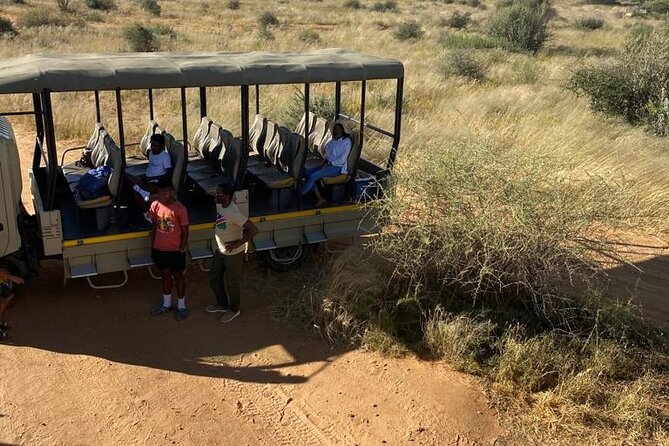
An air-conditioned vehicle is included. That matters in Namibia, where even a morning outing can become warm and tiring. The drive is part of the practical value of the tour, since Naankuse is outside Windhoek and the total activity lasts about five hours.
The group limit is 10 people. That is small enough to feel more personal than a large coach trip. It also matters during a feeding session, when everyone wants a clear view and a chance to take photographs. A smaller group should make it easier to hear the guide, though your exact viewing position will still depend on where you stand or sit.
You should plan for a moderate level of physical fitness. The information does not specify the amount of walking, ground conditions, or exact accessibility arrangements, so ask the provider if you have mobility concerns. Wear practical clothing and shoes suited to a wildlife property rather than city sightseeing.
Meeting the ambassador animals at Naankuse
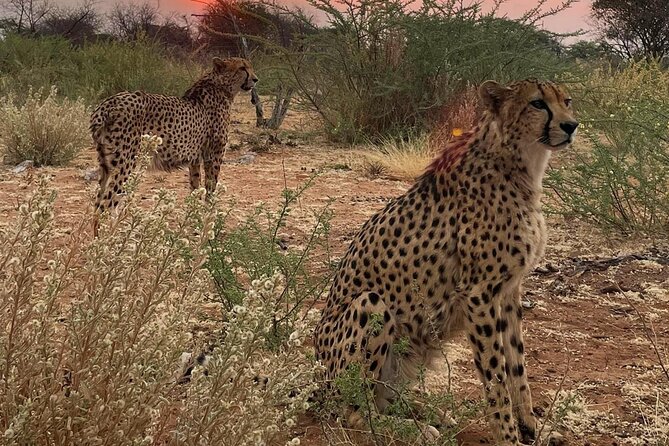
The Naankuse Wildlife Sanctuary visit is listed at about two hours. During that time, you may see baboons, caracals, lions, cheetahs, wild dogs, and leopards.
The word ambassador does much of the explaining. These animals cannot be released back into the wild for various reasons. That can include circumstances that make independent survival impossible, though the specific reason may differ from one animal to another. Their role is now to help people understand predators and support conservation work.
The presence of several predator species makes the visit especially useful for comparison. A caracal is not simply a smaller version of a lion. A cheetah has different physical strengths and hunting habits from a leopard. Wild dogs have their own social behavior and place in the food chain. The educational talks should help you notice those differences rather than treating every large carnivore as the same kind of animal.
Baboons add another angle. They are not big cats, but they are an important part of the animal collection and give you a break from the predator focus. Seeing several species in one morning lets you compare body shape, movement, feeding behavior, and response to the guides.
Watching the feeding sessions
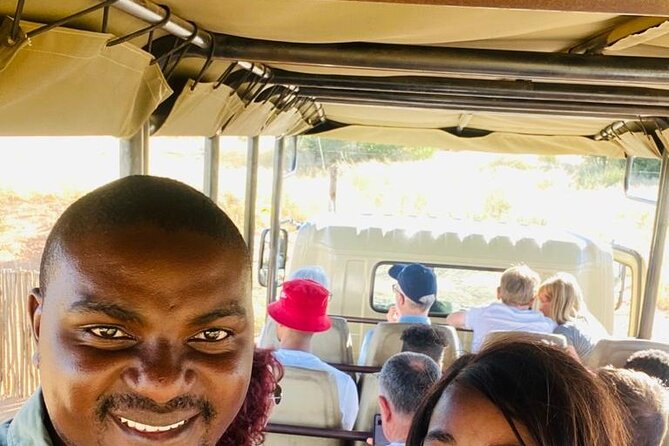
The feeding is carried out by experienced guides in a controlled and safe setting. You can expect to watch the animals approach food, react to one another, and show some of the physical traits that make predators so effective.
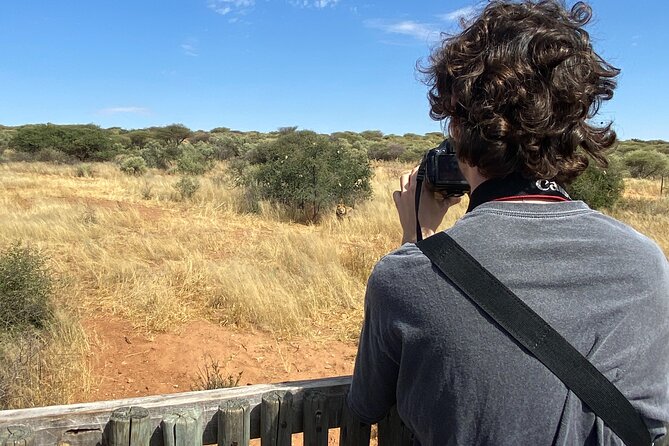
This is likely to be the most exciting part for photographers. The animals may be close enough for strong images, and the feeding action gives you more to photograph than a distant animal resting under a tree. Bring a camera or phone with enough storage and battery power, but remember that the exact photo opportunities can change with animal behavior and your position.
The feeding also creates a good teaching moment. You can watch how an animal moves before eating, how it uses its body, and how it responds to the presence of other animals. A guide can connect those actions to hunting instincts and survival in the wild.
Still, you should keep your expectations in check. A scheduled feeding produces a more reliable sighting than a standard safari, but it is not the same as observing a completely natural feeding event. The animals are in a managed environment, and their behavior takes place within a human-run routine.
One especially serious criticism of this type of activity is the possibility that close access can feel sad rather than thrilling. That reaction is understandable. Before booking, decide if you are comfortable seeing animals that cannot go free. For some people, the conservation purpose makes the visit worthwhile. For others, the controlled setting will be the main drawback.
A completely different kind of day:
- 6-Day Dunes and Wildlife Accommodated Safari from Windhoek
★ 5.0 · 123 reviews - Windhoek City Tour
★ 5.0 · 113 reviews - 10-Day Namibia Highlights Guided Tour from Windhoek
★ 5.0 · 78 reviews - 12 Day Classic Namibia Camping Safari
★ 5.0 · 77 reviews
The scenic drive after the animals
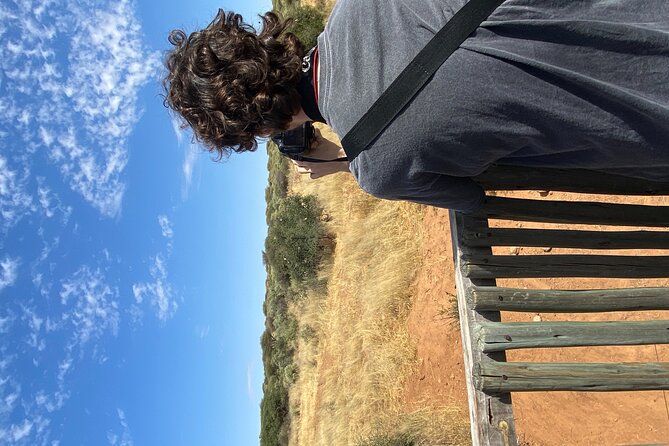
The outing does not end with the feeding. A scenic drive through the reserve follows, giving you a chance to spot additional wildlife.
The exact species and number of sightings are not guaranteed. That uncertainty is part of the difference between this section and the scheduled animal visit. You could see more wildlife, or you could spend much of the drive simply looking across the reserve.
I like this addition because it gives the morning a wider setting. Without it, the trip could feel like a short viewing session at a sanctuary. The drive lets you see where the ambassador animals fit within a larger conservation property and gives you a chance to observe animals outside the feeding routine.
It is also where you should think of the experience as a mixed product. The first part offers close and dependable access to named species. The second part offers a more open-ended search. That combination provides variety, but it does not guarantee the full range of animals listed.
Conservation lessons worth hearing
The conservation talks are not just filler between animal appearances. They explain the role predators play in ecological balance and why protecting them requires more than simply setting aside land.
You can expect discussion of biology, habitat, and the problems created when wildlife and people share space. Community-based conservation is another key subject. This is valuable because successful protection often depends on local communities seeing a reason to live alongside wildlife, rather than carrying all the costs of predator survival.
For me, this is the part that gives the outing more purpose. A close view of a leopard can be memorable, but the context helps you understand what you are seeing. You learn that conservation involves animal care, public education, habitat protection, and efforts to reduce human-wildlife conflict.
The quality of this part depends heavily on the guide leading your visit. Good explanations can turn a feeding demonstration into a thoughtful lesson. Less effective commentary would leave you with photographs but little understanding. The available information does not provide guide names, so you cannot choose a particular guide in advance.
Is $170.92 good value?
At $170.92 per person, this is not a cheap morning outing. The price needs to be judged against what is included: an air-conditioned vehicle, transport from Windhoek, access to Naankuse, the feeding session, conservation talks, and a reserve drive. A maximum of 10 people also adds value compared with a large group experience.
I think the price is easier to justify if you have limited time in Windhoek and want reliable close views of several carnivores. You could spend hours on a normal wildlife drive without seeing a leopard or cheetah clearly. Here, the feeding program gives you a much better chance of seeing these animals at close range.
The value is weaker if your main goal is a traditional safari in which animals move freely and sightings are entirely unplanned. You are paying for access and education, not for a wilderness guarantee.
Alcoholic beverages are not included, though that should not affect most morning plans. Confirmation is provided at booking, and free cancellation is available if you cancel at least 24 hours before the 8:00 am start. Cancellations made later are not refunded, and changes made within that period are not accepted. Poor weather can lead to a different date or a full refund.
The experience is generally booked well ahead, with an average booking lead time of about 32 days. That is a useful warning if your Namibia trip has fixed dates. A group limit of 10 can also mean that last-minute spaces are limited.
Who will enjoy this tour most?
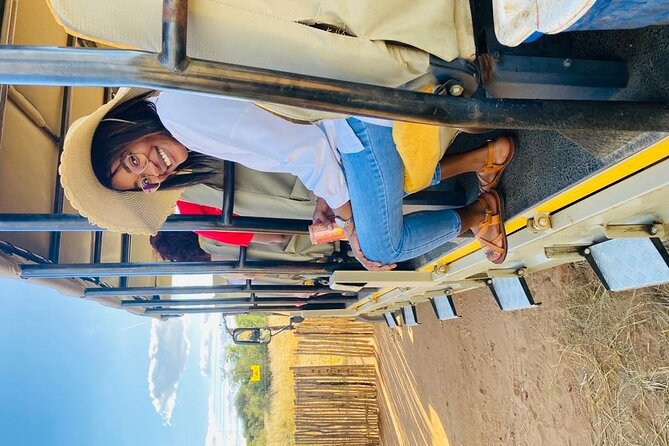
I would recommend this outing to you if you fit one or more of these descriptions:
- You have only one morning available from Windhoek.
- You want to see cheetahs, leopards, lions, and other predators at close range.
- You enjoy wildlife photography.
- You want conservation background, not just animal photographs.
- You prefer a small group to a large vehicle.
- You understand that the animals are ambassador animals in a managed setting.
Families and first-time wildlife visitors may find the dependable animal access less frustrating than a safari where sightings are uncertain. The educational talks can also help younger visitors understand why wild animals sometimes need permanent care.
You may want to skip it if your ideal wildlife experience means watching completely wild animals hunt, roam, and appear without a scheduled feeding. You should also think carefully about the ethics of close predator encounters if the managed setting would make you uneasy.
Practical tips for a better morning
Start by confirming the pickup details. The meeting point is Zoo Park on Park Street, and the official start time is 8:00 am. Since the activity returns to the same point, allow enough time afterward if you have a flight, another tour, or a fixed appointment.
Bring a camera with spare battery power. The feeding sessions are described as a strong photo opportunity, and you may want more storage than usual. You should also bring water for yourself, since no drinks are listed as included.
Dress for a wildlife property and moderate activity. The tour requires a moderate fitness level, but the exact amount of walking is not stated. If you need special assistance, ask before booking rather than assuming the sanctuary setup will suit you.
Most of all, arrive with the right idea of the day. You are going to see animals that live in a protected, semi-wild environment and cannot return to the wild. That does not erase the value of the visit, but it does shape the experience.
Should you book the Naankuse carnivore feeding tour?
I would book it if you want a focused, informative morning with unusually close views of Namibian predators. The combination of cheetahs, leopards, lions, wild dogs, caracals, and baboons is a strong draw, and the reserve drive adds some welcome uncertainty after the scheduled feeding.
I would not book it expecting an open-range safari or a fully natural hunt. The controlled setting is the central fact, not a minor footnote. At $170.92, this is worth the money for access, photographs, transport, and conservation learning, but only if those are the things you want.
FAQ
Where does the tour start?
It starts at Zoo Park, C3MP+432, Park Street, Windhoek, Namibia.
What time does the tour begin?
The tour starts at 8:00 am.
Where does the tour end?
The activity ends back at the meeting point in Windhoek.
How long does the experience last?
The full experience lasts approximately five hours. The Naankuse Wildlife Sanctuary portion is listed as about two hours.
Which animals might I see?
You may see baboons, caracals, lions, cheetahs, wild dogs, and leopards.
Why are the animals called ambassador animals?
They are called ambassador animals because they cannot be released back into the wild for different reasons and take part in conservation education.
Is transportation included?
Yes. An air-conditioned vehicle is included, and pickup is offered.
How many people can join the tour?
The maximum group size is 10 people.
Can I cancel for a full refund?
Yes, if you cancel at least 24 hours before the experience start time. Late cancellations and late changes are not accepted for a refund. If poor weather causes the activity to be canceled, you will be offered another date or a full refund.
Just added in Windhoek
- Windhoek: Katutura Township Tour with Local Guide★ 3.5 · 3 reviews
- Windhoek: City & Township tour. Vehicle, guide, kapana★ 4.2 · 4 reviews
- Windhoek: Dustenbrook Scenic Game Drive★ 5.0 · 1 review
- Windhoek: Okapuka Game Ranch Guided Tour★ 5.0 · 2 reviews
- Windhoek : Cheetah walk Experience★ 4.6 · 8 reviews
- 10-Day Private Yoga Adventure in Namibia★ 5.0 · 7 reviews
- Windhoek City and Township Tour★ 5.0 · 1 review
- Namibia Express Safari – 6 Days★ 5.0 · 1 review
Half-Day, compared.
Sandwich Harbour Half-Day 4×4 Scenic Excursion
Read our review →
Half-Day Windhoek City and Township Cultural Tour
Read our review →
Sandwich Harbour Half-Day 4×4 Tour (5 hours) from Walvis Bay
Read our review →
Half-Day Sandwich Harbour Tour from Walvis Bay with Lunch
Read our review →
NAMIB DESERT TOURS, Full-Day and Half-Day Tours from Swakopmund, Namibia
Read our review →Browse the lists this tour appears in