
Reviewed · 7-DAY EXPERIENCES
7 Day Northern Namibia and Skeleton Coast Camping Safari
Namibia packs big sights into one long week. This seven-day camping safari links rhino country, Etosha’s waterholes, Himba culture, the Skeleton Coast, and Swakopmund without requiring you to arrange each transfer yourself. I especially like the excellent mix of wildlife and coastline, plus the small-group limit of 12 people. The main trade-off is the pace: several days involve long drives, and the Cape Cross overnight stop may feel less appealing if you prefer towns or comfortable lodging.
The price is $1,846.99 per person, which is serious money, but it covers transport, a professional English-speaking guide, most meals, camping equipment, park visits, and five nights of camping plus one night of accommodation. Guides such as Taimi, Michael, Kennedy, Gideon, Johny, Raymond, and Bronnihel have been praised for their cooking, humor, organization, and care. Expect a practical safari rather than a luxury lodge holiday.
In This Review
- The five details that shape this safari
- What you are really buying for $1,846.99
- Day 1: Woodcarvers, rhinos, and Mount Etjo
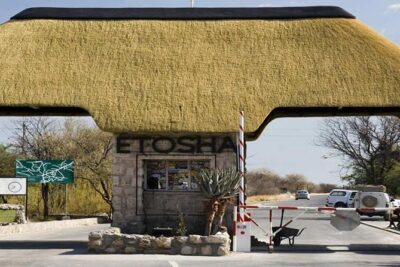
- Days 2 and 3: Etosha’s waterholes and white pan
- Day 4: A thoughtful Himba encounter and Palmwag
- Day 5: Entering the stark Skeleton Coast
- Day 6: Cape fur seals and Swakopmund choices
- Day 7: Flamingos, Dune 7, and the road to Windhoek
- Camping, food, and comfort on the road
- The guides can make or break the week
- Who should book this Namibia safari?
- Should you book the seven-day route?
- FAQ
- Where does the safari start?
- What time does the tour start?
- Where does the tour end?
- Is airport transfer included?
- How many people can join the safari?
- Is camping equipment included?
- How many nights are spent camping?
- Are meals included?
- Are drinks included?
- Are Swakopmund activities included?
- Is the tour suitable for everyone?
- What is the cancellation policy?
The five details that shape this safari
- Etosha gets the most time: You have an afternoon game drive, a full day crossing the park, waterhole stops, and a sunrise exit drive.
- Mount Etjo adds a conservation angle: The first afternoon focuses on rhino protection and a sunset game drive.
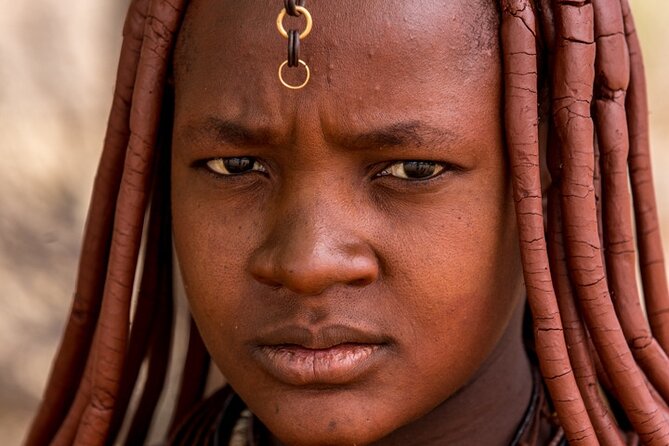
- The Himba visit is built into the route: Otjikandero Himba Orphan Village offers a guided look at traditional customs and daily life.
- Cape Cross is both spectacular and intense: The seal colony can number more than 200,000 during November and December, with a powerful smell to match.
- Swakopmund gives you a choice: Walk around town or pay extra for activities such as quad biking, sandboarding, or skydiving.
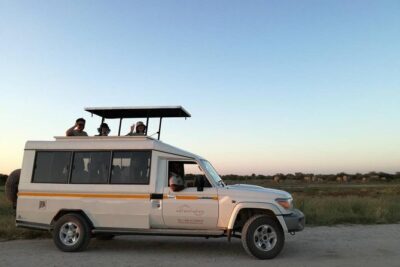
- The safari vehicle matters: You ride in a custom-built vehicle with a pop-up roof, useful for viewing animals and taking photographs.
What you are really buying for $1,846.99
This is not simply a seven-day sightseeing transfer. You are paying for a moving camp, park access, guiding, cooking, vehicle logistics, and a route that would be difficult to piece together cheaply on your own.
The price includes five camping nights and one night of accommodation, camping gear except for a sleeping bag, tap water, six breakfasts, six lunches, and five dinners. Drinks, snacks, optional activities, travel insurance, airport transfers, and sleeping bags are extra. Dinner in Swakopmund is also at your own expense.
That package gives the price reasonable value if you want a guided overview of northern Namibia. The safari vehicle takes you from Windhoek to Etosha, then west toward the Himba region, the Atlantic coast, and back through Walvis Bay. You avoid renting a vehicle, planning fuel stops, choosing campsites, and navigating long stretches of remote road.
Still, you should be clear about the style. This is budget camping with active participation, not a private safari with a lodge room every night. The guides often set up camp, prepare meals, and help with practical tasks, but you should expect early starts, dust, changing temperatures, and plenty of time on the road.
More safaris in Windhoek:
- 6-Day Dunes and Wildlife Accommodated Safari from Windhoek
★ 5.0 · 123 reviews - 12 Day Classic Namibia Camping Safari
★ 5.0 · 77 reviews - 3 Day Sossusvlei Budget Camping Safari
★ 5.0 · 62 reviews
Day 1: Woodcarvers, rhinos, and Mount Etjo
The tour begins at Chameleon Safaris on Ferry Street in Windhoek at 7:00 am, with a short briefing at headquarters. Pick-up and drop-off are available within Windhoek city limits, but airport transfers are not included.
The first stop, Okahandja Mbangura Woodcarvers Craft Market, lasts about an hour. Woodcarvers from across Namibia sell handmade pieces here, making it a useful stop for gifts and a chance to support local makers. Bring patience and a friendly attitude. Haggling is part of the experience, but respectful bargaining is the right approach.
Mount Etjo Game Reserve is the main event. The reserve works to support conservation, including the protection of Namibia’s black and white rhinos. You aim to arrive before lunch, set up camp, eat, and then head out on an afternoon game drive.
The focus is on finding rhinos connected with the Mount Etjo Rhino Trust, though wildlife sightings can never be promised. The day ends with a Namibian sunset from the reserve. That first evening gives you a gentle introduction to camping and sets a useful tone for the days ahead.
Days 2 and 3: Etosha’s waterholes and white pan
After breakfast, you stop in Otjiwarongo for fresh supplies before entering Etosha National Park. This short shopping stop is easy to overlook, but it helps explain how a camping safari keeps meals and drinks moving across a large country.
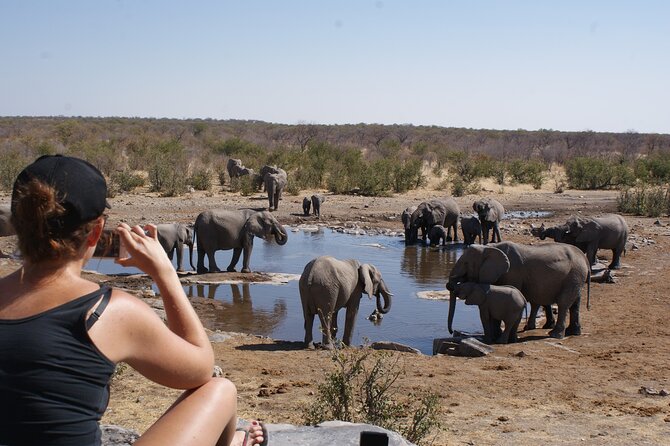
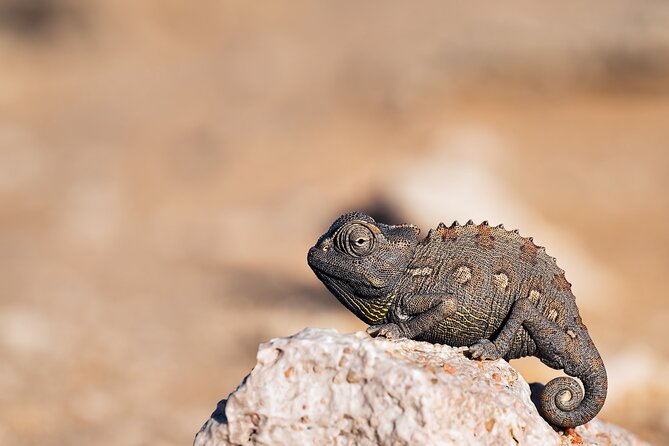
Etosha works differently from a safari area built around dense bush. Wildlife gathers around waterholes, so your guide can spend time watching one spot rather than constantly driving through thick vegetation. You may look for predators, plains animals, birds, and reptiles as you travel toward Okaukuejo.
The first Etosha afternoon includes a game drive, camp setup, lunch, and another drive before sunset. Dinner is prepared over an open fire, and the floodlit Okaukuejo waterhole is one of the best parts of the evening. Rhino, elephant, giraffe, lion, and hyena are frequent visitors there, although nature keeps its own timetable.
Day 3 begins at sunrise, when predators may still be active. You visit several waterholes and stop for breakfast at a fenced picnic area inside the park. Safety rules matter here. Stay in the vehicle except where your guide directs you, and use the designated picnic areas.
Halali, the central camp, brings a break from the vehicle. You can visit Moringa Waterhole, take a dip in the pool, and eat lunch before continuing across the park.
Then comes Etosha Pan, the park’s great white expanse. The saline desert covers roughly 4,500 square kilometres, and you can get out to experience it directly. The stark surface is a sharp change from the animal-rich waterholes, so do not expect wildlife here. This is about scale, light, silence, and an unusual sense of open space.
You return toward Okaukuejo for your final Etosha night. Another visit to the floodlit waterhole after dinner is well worth your time. Pack a warm layer for evening viewing, since the open areas can feel cool after sunset.
Day 4: A thoughtful Himba encounter and Palmwag
The final Etosha drive takes place early, with breakfast during sunrise and a one-hour game drive as you leave the park. Then the focus shifts from wildlife to culture at Otjikandero Himba Orphan Village.
The guided visit lasts about two hours. You learn about Himba customs and traditional life, and there is a chance to exchange ideas about your own culture too. This is more meaningful when you arrive with curiosity rather than treating the village as a quick photo stop. Listen carefully, follow the guide’s instructions, and remember that this is a living community, not a museum display.
Afterward, the route continues to Palmwag Campsite. The afternoon is deliberately slower. You set up camp, watch the sunset, and might spot a desert elephant. As always with wildlife, might is the important word. The possibility adds excitement, but nobody can guarantee it.
Dinner is cooked over an open fire. Several guides, including Taimi, Michael, Kennedy, Gideon, and Johny, have received special praise for their meals and willingness to help with camp. That matters on a trip like this. A hot dinner and an organized camp can make a long driving day feel much easier.
More things to do in Windhoek:
- Windhoek: City and Township Tour
★ 4.8 · 430 reviews - Half-Day Windhoek City and Township Cultural Tour
★ 4.5 · 187 reviews - Windhoek: Bushman Walk with the San
★ 4.9 · 145 reviews - Windhoek City Tour
★ 5.0 · 113 reviews
Day 5: Entering the stark Skeleton Coast
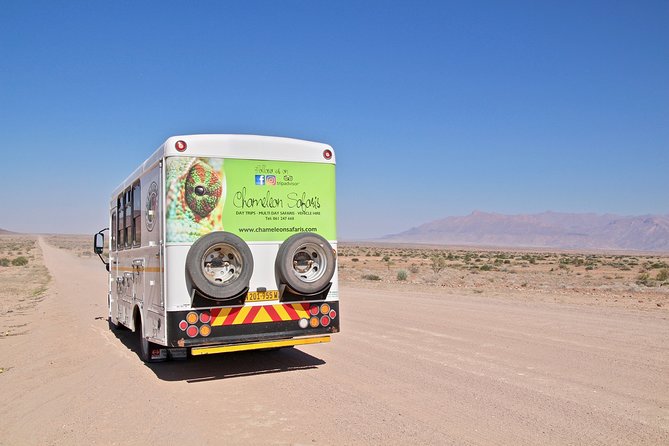
This is the longest and most remote-feeling day. You travel west through Skeleton Coast National Park toward Cape Cross, reaching the Atlantic after hours on the road.
The Skeleton Coast earned its grim reputation from shipwrecks, fog, rough seas, and unpredictable currents. It is a severe place, with a beauty that comes from emptiness rather than color or dense vegetation. The coast can feel almost hostile, which is precisely why it leaves such a strong impression.
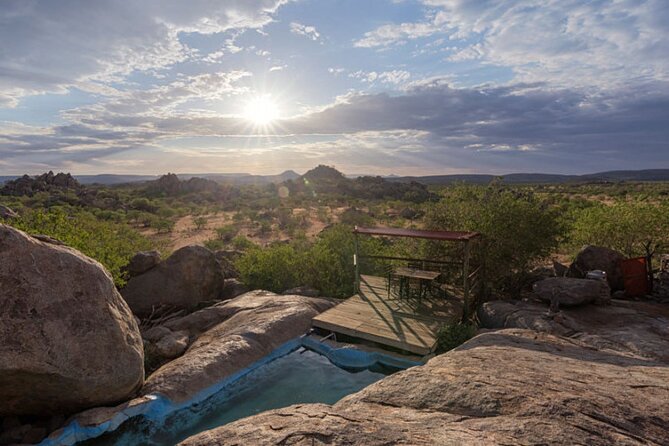
You arrive at Cape Cross in the afternoon and set up camp for the night. The coastal climate can be cool and misty, so pack layers even if Windhoek was warm when you left. A sunset over the Atlantic gives the day a fine finish, followed by another guide-cooked dinner.
This overnight stop is the clearest point of personal preference in the itinerary. If you love remote coastlines and simple camping, it adds atmosphere. If you would rather spend the night in a town, Cape Cross may feel like an unnecessary pause before Swakopmund. One person specifically suggested skipping the overnight there, and the operator acknowledged that concern. It is worth considering before you commit.
Day 6: Cape fur seals and Swakopmund choices
After breakfast, you walk to Cape Cross Seal Reserve. The colony is one of the world’s largest breeding sites for Cape fur seals. During November and December, more than 200,000 seals may be visible.
This is a memorable stop, but it is not delicate or quiet. The colony is noisy, crowded, and strongly scented. That smell is part of the experience, so do not arrive expecting a polished wildlife park. Keep your distance and let the sheer number of animals do the work.
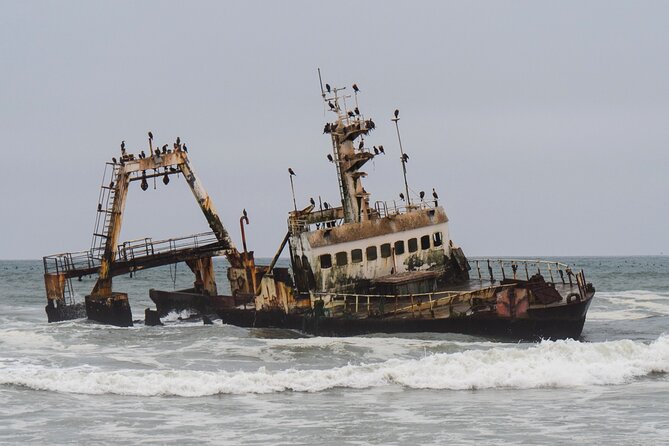
The route then follows the coast to the Zeila Shipwreck, a relatively recent wreck from 2007. It is a short stop, but it adds a human story to the coast’s reputation. You see how modern ships can still fall victim to these waters.
By early afternoon, you reach Swakopmund. The town is often called Namibia’s adventure capital, and the schedule gives you time to walk around or book an optional activity. Choices listed for the tour include sandboarding, quad biking, and skydiving. These cost extra, so plan your budget before you arrive.
Swakopmund is also the trip’s one clear change of mood. After remote camps and long drives, you get paved streets, restaurants, and free time. I like that contrast, but it will not suit everyone. If you want wilderness every hour, town time may feel like a detour. If you enjoy a hot meal, a shower, and a chance to choose your own activity, it is welcome.
Dinner is not included that night. Your guide can recommend or book a restaurant, but you pay the bill yourself.
Day 7: Flamingos, Dune 7, and the road to Windhoek
The final morning begins around 10:00 am, which is a welcome change after several sunrise starts. You travel south to Walvis Bay Lagoon, a feeding area for greater and lesser flamingos.
The lagoon is an easy birding stop and a good final look at Namibia’s coastal side. The tour also lists a visit to Dune 7 among its inclusions, so confirm the exact timing with your guide, as the day’s route continues back toward Windhoek.
During the return drive, you may see Spitzkoppe in the distance. The mountain is often called Namibia’s own Matterhorn because of its distinctive shape. Time permitting, you may stop at a small crystal market connected with Damara communities in the area, where you can learn about small-scale mining of semi-precious stones.
You reach Windhoek in the late afternoon and return to Chameleon Backpackers. If you are staying elsewhere in the city, drop-off is provided at your accommodation within the stated service area.
Camping, food, and comfort on the road
The camping setup is central to the experience. Equipment is supplied except for a sleeping bag, and the package includes five camping nights plus one accommodation night. Bring your own sleeping bag and remember that Namibia’s nights can feel much cooler than its sunny afternoons.
Meals are a strong part of the trip. Breakfast and lunch are included every day except the first breakfast, according to the stated package, while five dinners are included. Guides prepare dinners over an open fire, and multiple guide teams have been praised for tasty food, efficiency, and care.
Tap water is included, but bottled mineral water, soft drinks, alcohol, and snacks are not. Carry extra spending money for those items and for Swakopmund activities.
The custom-built safari vehicle has a pop-up roof, which gives you a better position for wildlife viewing than a normal minibus. The group limit is 12 people, though smaller departures can happen. A small group makes long drives more social and gives you a better chance to ask questions or get help with camp.
The guides can make or break the week
The strongest personal element is the guiding. Past departures have included pairs such as Taimi and Michael, Johny and Taimi, Gideon and Taimi, Kennedy and Raymond, Chilo and Doctor Smithley, and Erastus and Bronnihel.
The praise is consistent: good humor, practical help, clear explanations, careful organization, and strong cooking. Some guide teams handled much of the camp setup and helped with transport, which is especially useful if you are new to camping.
You should still ask questions before departure about the exact guide team, sleeping arrangements, and the one accommodation night. Staff assignments can change, and the published itinerary does not name a specific camp or hotel for every night.
Who should book this Namibia safari?
I would choose this trip if you want a broad first look at northern Namibia and prefer someone else to handle the driving and route planning. It suits people who enjoy wildlife, open-air camping, cultural visits, long scenic drives, and a little uncertainty in the bush.
You should be comfortable with a moderate level of physical fitness. The days can start early, and the route includes long stretches between stops. You also need to accept that wildlife sightings vary. Etosha gives you strong opportunities around waterholes, but even the best guide cannot order a lion to appear.
This is less suitable if you need private rooms every night, dislike basic camping, want a slow pace, or prefer to spend all your time in remote areas. It may also feel expensive if you do not plan to use the included meals, park access, and guiding.
The cancellation terms are strict: the booking is non-refundable and cannot be changed. Check your dates, insurance, sleeping bag, and optional activity budget before paying.
Should you book the seven-day route?
Yes, if you want the main northern Namibia highlights in one organized trip and you are happy to camp. The route delivers a lot: rhinos at Mount Etjo, repeated Etosha game drives, the Etosha Pan, a Himba village, desert elephant country, the Skeleton Coast, Cape Cross seals, Swakopmund, Walvis Bay, flamingos, and views toward Spitzkoppe.
I would book it especially if you value a good guide more than luxury. The many compliments directed at guide teams such as Taimi and Michael or Kennedy and Raymond point to the human side of the safari, where cooking, patience, humor, and camp help shape the week.
Before booking, decide how you feel about the Cape Cross overnight and the long drives. If those sound like part of the adventure, this is a strong, efficient introduction to northern Namibia. If they sound tiring, choose a slower lodge-based itinerary instead.
FAQ
Where does the safari start?
The safari starts at Chameleon Safaris, Ferry Street, Windhoek, Namibia.
What time does the tour start?
The stated start time is 7:00 am.
Where does the tour end?
The tour ends back at the meeting point in Windhoek. Drop-off is available at accommodation within Windhoek city limits.
Is airport transfer included?
No. Airport transfers are not included.
How many people can join the safari?
The maximum group size is 12 people.
Is camping equipment included?
Yes, camping equipment is included, but you must bring your own sleeping bag.
How many nights are spent camping?
The package includes five nights of camping and one night of accommodation.
Are meals included?
Yes. The package includes six breakfasts, six lunches, and five dinners. Dinner in Swakopmund is at your own expense.
Are drinks included?
Tap water is included. Mineral water, soft drinks, alcohol, and snacks are not included.
Are Swakopmund activities included?
No. Optional activities such as sandboarding, quad biking, and skydiving cost extra.
Is the tour suitable for everyone?
The tour states that participants should have a moderate level of physical fitness. The itinerary also includes early starts, camping, game drives, and long road journeys.
What is the cancellation policy?
The experience is non-refundable and cannot be changed. If you cancel or request an amendment, the amount paid will not be refunded.
Just added in Windhoek
- Windhoek: Katutura Township Tour with Local Guide★ 3.5 · 3 reviews
- Windhoek: City & Township tour. Vehicle, guide, kapana★ 4.2 · 4 reviews
- Windhoek: Dustenbrook Scenic Game Drive★ 5.0 · 1 review
- Windhoek: Okapuka Game Ranch Guided Tour★ 5.0 · 2 reviews
- Windhoek : Cheetah walk Experience★ 4.6 · 8 reviews
- Windhoek City and Township Tour★ 5.0 · 1 review
- 10-Day Private Yoga Adventure in Namibia★ 5.0 · 7 reviews
- Namibia Express Safari – 6 Days★ 5.0 · 1 review
7-Day Experiences, compared.
7 Day Southern Namibia and Sossusvlei Camping Safari
Read our review →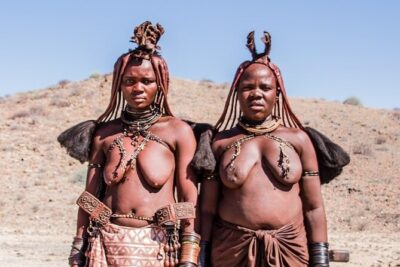
7 Days-Desert adventure, Swakopmund & Etosha Lodging Tour
Read our review →Browse the lists this tour appears in