
Reviewed · WINDHOEK TOURS
Traditional Cooking Class – Mahangu pap for beginners
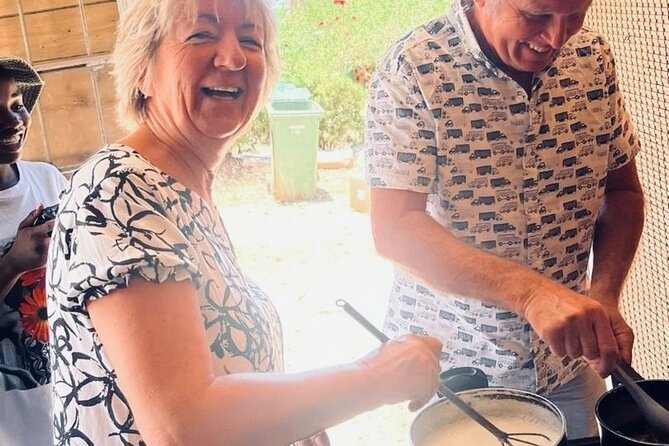
Come hungry and stay curious. This three-hour Windhoek cooking class gives you a practical way to meet Namibians, prepare mahangu pap, and share a homemade meal in a local setting. I like the private format, which means your group gets direct attention, and I like the range of food, from everyday pap and spinach to kapana-style grilled meat, mopane worms, and goat head.
The class also explains how mahangu is grown and stored by farmers working in Namibia’s dry conditions. The main consideration is that the experience takes place in a home setting rather than a polished cooking school, and the vegetarian menu may need a little more planning than the meat options.
With a price of $56.99 per person, this is a fair buy if you value conversation, food, and cultural contact more than formal culinary technique. Pickup is offered, children are welcome, and only your group takes part.
In This Review
- Key Things to Know Before You Book
- Why Mahangu Pap Matters in Namibia
- Meeting Local Hosts in a Windhoek Home
- The First Lesson: Preparing Mahangu Pap
- Kapana, Braai, and the Main Meal
- Mopane Worms and Goat Head for Adventurous Eaters
- Vegetarian Choices and What to Clarify
- Local Drinks, Conversation, and the Cultural Side
- How the Three Hours Usually Feel
- Cleanliness, Comfort, and Family Suitability
- Is $56.99 Good Value?
- Who Should Book This Cooking Class?
- Should You Book the Mahangu Pap Class?
- FAQ
- Where does the cooking class start?
- How long does the experience last?
- Is transportation included?
- Is this a private activity?
- What food will I learn to prepare?
- Can I try mopane worms or goat head?
- Are vegetarian options available?
- Are drinks included?
- Can children take part?
- What is the cancellation policy?
Key Things to Know Before You Book
- Mahangu is the star ingredient: You learn to prepare pap from millet, a staple food with a strong place in Namibian daily life.
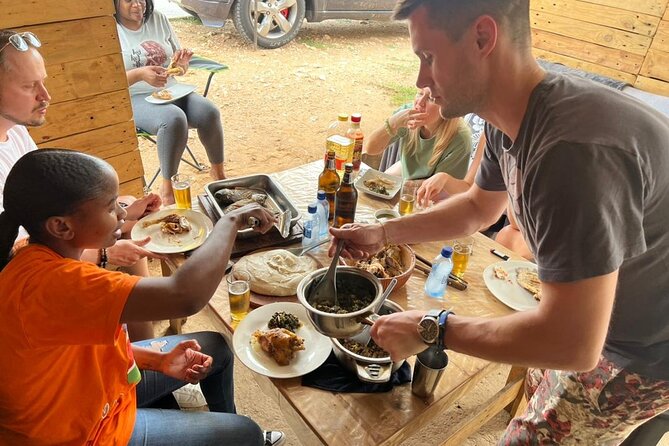
- The meal goes beyond a cooking lesson: Expect pap, grilled beef, spinach, fish, stew, and the chance to sample unusual local foods.
- You cook in a local home setting: The class offers a look at ordinary food preparation and family life outside the usual tourist circuit.
- Private attention makes it beginner-friendly: Hosts guide you through the process, even if you rarely cook.
- Pickup adds real convenience: Transportation is included, with the activity beginning and ending at the Christuskirche meeting point unless pickup arrangements are made.
- Vegetarian food is possible: Spinach, tomatoes, and marula fruit can be prepared, but confirm your needs before arrival.
Why Mahangu Pap Matters in Namibia
Pap is not simply a side dish to fill a plate. In this class, it gives you a way to understand food security, farming, and daily life in Namibia.
Mahangu, also called omahangu, is millet. It is well suited to dry conditions and forms an important staple in northern Namibia. You learn how farmers grow the crop and how it is stored. That conversation adds substance to the cooking, because you are not just stirring flour in a pot. You are handling a food connected to local work, weather, and household meals.
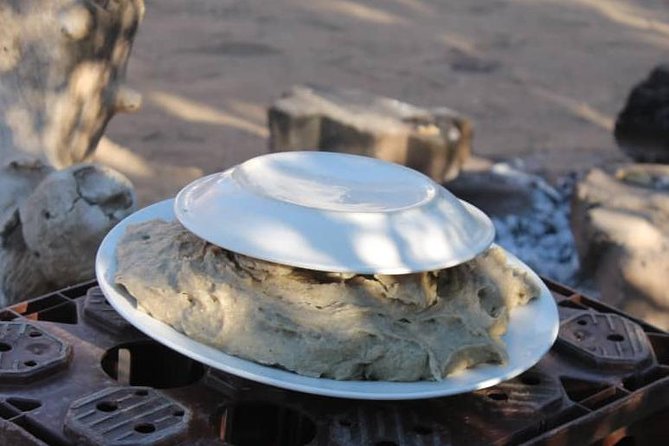
The class describes pap as a porridge, while some preparations can be made firmer, more like a dough or thick bread accompaniment. Do not expect a European baking lesson. The value is in learning the local method and understanding how the finished food is eaten with meat, fish, or vegetables.
If you are a beginner, this is a good place to start. One participant with little cooking experience managed to make an authentic mahangu meal with help from the guides and left ready to prepare pap for family and friends. That tells you what the class does best: it teaches one useful local dish without making you feel tested.
More things to do in Windhoek:
- Windhoek: City and Township Tour
★ 4.8 · 430 reviews - Half-Day Windhoek City and Township Cultural Tour
★ 4.5 · 187 reviews - Windhoek: Bushman Walk with the San
★ 4.9 · 145 reviews
Meeting Local Hosts in a Windhoek Home
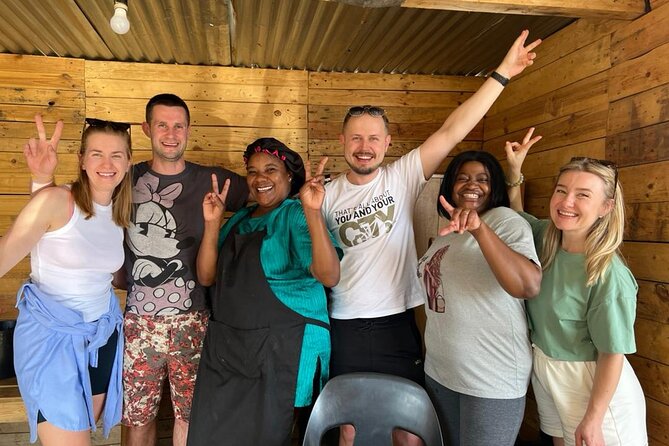
The class is associated with Anchor Adventures Namibia and is led by local hosts and cooks, with names including Linda, Iyaloo, Annely, Betty, Petrina, Sacky, and Andrew appearing in the experience. Your exact host may vary, but the strongest part of the format is the personal contact.
You are welcomed into a home or home-based restaurant setting in Katutura or another suburban part of Windhoek. This is not presented as a theatrical village display. You sit in a real domestic setting, prepare food with local people, and talk over the meal. That gives the experience a more grounded feel than a standard restaurant tasting.
Past cooking sessions have taken place in a comfortable room with electricity, a working refrigerator, and careful handwashing. Those details matter. A home setting can sound informal, but clean preparation is essential, especially when meat, fish, and shared dishes are involved.
Linda has served as both driver and cooking guide on some sessions, staying with the participant throughout the evening. Andrew has helped with guiding and translation when needed. Hosts such as Betty and Petrina have also led the cooking and conversation. The atmosphere is friendly and open, with room for questions about food, family habits, and life in Namibia.
You should come ready to participate. This is not a demonstration where you sit quietly and watch a chef do everything. Your hands will be involved, and the quality of the class depends partly on your willingness to ask questions and try unfamiliar ingredients.
The First Lesson: Preparing Mahangu Pap
The cooking begins with mahangu pap. Your tutor explains the ingredient, its role in Namibian meals, and the farming and storage methods linked to it.
The process is simple in outline, but the texture takes practice. You learn how to work the millet into the correct consistency and how pap fits with the other dishes on the table. The lesson is useful because it gives you a recipe you can remember, not just a taste you enjoy for one afternoon.
Pap is often served with a savory accompaniment, so the class connects the staple to the rest of the meal. You might eat it with grilled beef, meat stew, fish, or spinach. This helps you understand how a basic grain becomes the foundation of a complete dish.
Do not expect exact measurements or a printed culinary-school curriculum based on the information provided. The teaching appears to be hands-on and personal. That suits people who want to cook by feel and observation, but it may disappoint you if you want precise recipe cards, professional equipment, or advanced technique.
Kapana, Braai, and the Main Meal
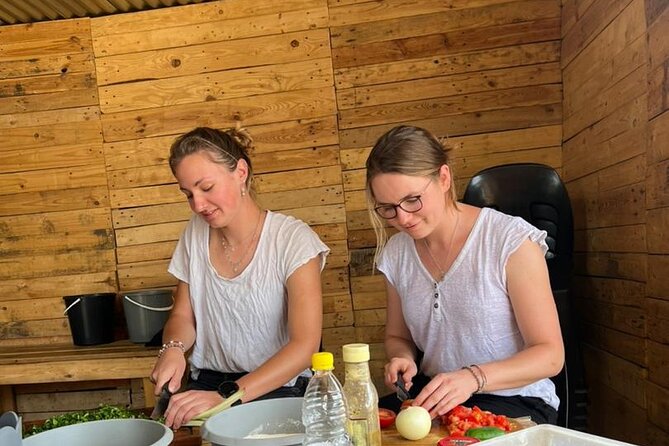
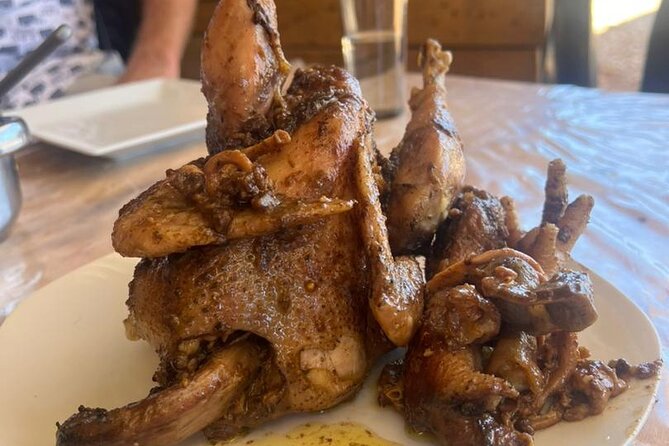
The meat course brings in two familiar Namibian food traditions. Kapana refers to grilled meat, while braai is the southern African style of barbecue. The class includes classic beef prepared on a grill, then served with the pap and other local dishes.
In some sessions, the meal has included dried meat stew called edhingu, tripe known as matangara, fried fish, and masbanker, a type of horse mackerel. Another preparation featured pap, spinach, and fried fish with a special sauce. The exact menu can change, so you should think of these foods as examples rather than guarantees.
This flexibility is part of the appeal. You may eat the sort of food found in ordinary Namibian homes rather than a fixed tourist menu. It also means you should ask in advance if one particular dish matters to you.
The portions appear to be generous. One participant described the meal as delicious but very large. That is good news if you plan this as lunch, but you may want a lighter breakfast beforehand.
The food is prepared and eaten with your tutor, which keeps the meal social. You are not rushed out once the cooking ends. The shared table is where the class becomes a conversation about local life rather than just a recipe lesson.
A completely different kind of day:
- 6-Day Dunes and Wildlife Accommodated Safari from Windhoek
★ 5.0 · 123 reviews - Windhoek City Tour
★ 5.0 · 113 reviews - 10-Day Namibia Highlights Guided Tour from Windhoek
★ 5.0 · 78 reviews - 12 Day Classic Namibia Camping Safari
★ 5.0 · 77 reviews
Mopane Worms and Goat Head for Adventurous Eaters
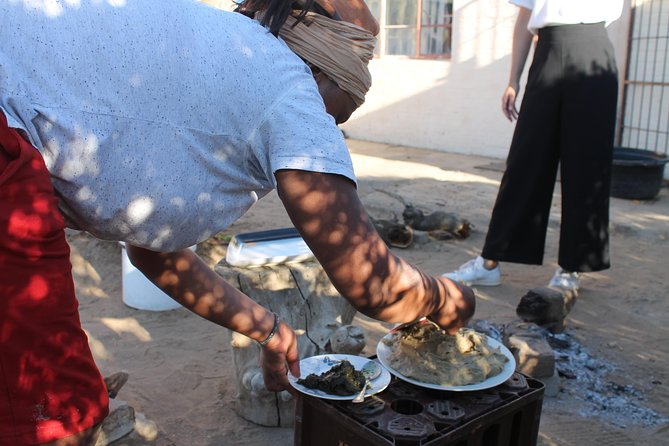
The class can introduce you to food that may be new to your palate, including mopane worms and goat head. Goat head is sometimes called smilie, a name linked to the exposed teeth that can appear after cooking. You are not required to try these items, but the opportunity is there.
Mopane worms are actually caterpillar larvae and are eaten as a traditional snack in parts of southern Africa. One participant described trying butterfly larva for the first time during an authentic mahangu meal. If you are curious about local food, this is the sort of small challenge that can become one of your strongest memories from Windhoek.
The right attitude is simple: ask what you are being served, try only what you want, and tell the host about allergies or dietary restrictions before cooking begins. The class includes food and nonalcoholic drinks, but unfamiliar ingredients make advance communication especially important.
You may also encounter dried meat, tripe, or fish depending on the menu. This is not the ideal activity for someone who wants only familiar food. It is a better choice if you enjoy learning through taste and can handle a little culinary surprise.
Vegetarian Choices and What to Clarify
Vegetarian food is available. Local spinach, tomatoes, and marula fruit can be prepared, and these options give you a connection to Namibian produce without relying on meat.
Still, I would clarify your needs before booking. Some sessions have had less variety on the vegetarian side, even when the overall meal was satisfying. The available information confirms vegetarian options, but it does not promise a fixed vegetarian menu or a separate cooking station.
If you eat fish but not meat, say so clearly. Fish has appeared in several versions of the meal, including fried fish and masbanker. If you are vegan, have allergies, or avoid specific ingredients, ask what can be arranged before the class date.
That small bit of planning can make a big difference. The hosts seem willing to adapt, but a home-based class works best when the cook knows what you need ahead of time.
Local Drinks, Conversation, and the Cultural Side
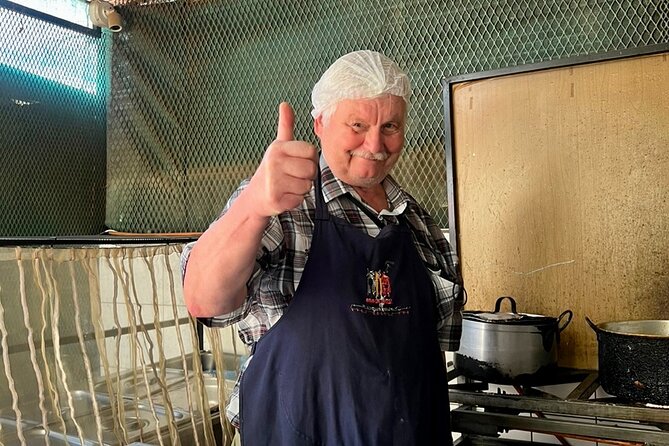
Food is only half of this experience. You also have time to exchange stories with Namibians over soda, water, traditional drinks, and, if you purchase it separately, local beer.
Alcoholic beverages are not included in the $56.99 price. Snacks, lunch, soda, bottled water, and private transportation are included. That makes the cost easier to judge: you are paying for instruction, food, hosting, conversation, and transport rather than only a plate of lunch.
I like the way the class uses the meal as a bridge to local culture. You can ask about how food is stored, what people cook each day, and how ingredients move from farms to household kitchens. You are not simply looking at Namibia from a vehicle window.
The conversation may be the most valuable part for you if you have already seen Windhoek’s main sights. It offers a personal connection and a chance to get outside the usual tourist circuit. At the same time, you should remember that the setting is intimate. If you prefer a quiet, private meal with no conversation, this may not be your best match.
How the Three Hours Usually Feel
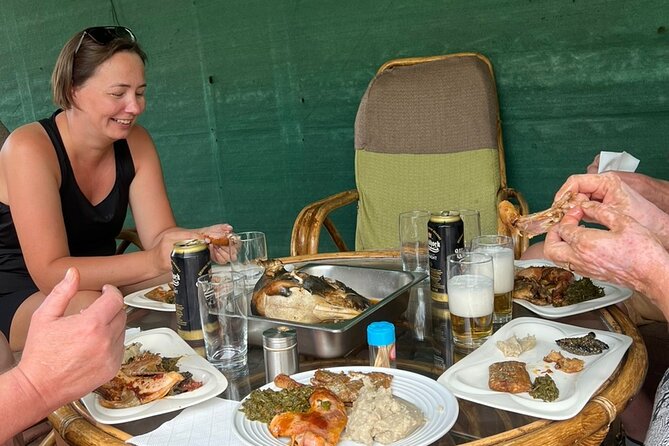
The advertised duration is about three hours. That is enough time for instruction, preparation, eating, and conversation without taking over your whole day.
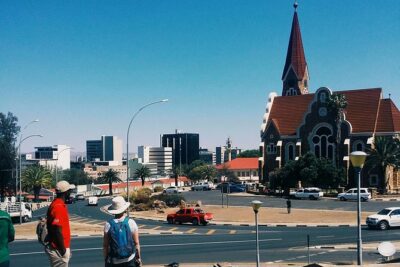
The experience begins at Christuskirche on Robert Mugabe Avenue in Windhoek, and it ends back at the meeting point. Pickup is offered, and one account describes collection from a hostel as especially convenient. Confirm the pickup details when you book, since the stated meeting point remains Christuskirche.
The cooking itself can move quickly. One account in German described the food preparation as fast, with a very enjoyable meal afterward. You may not spend hours perfecting each dish. Instead, you get a focused introduction to several foods and methods.
That pace works well for a short stay in Windhoek or for the final day of a Namibia trip. One sister pair booked the experience just before flying home and found it a memorable way to finish the journey. It also works early in your trip because the food knowledge can help you recognize dishes later in Namibia.
The class is private, so only your group takes part. That is a major advantage for families, couples, and solo visitors who want to ask questions without competing for attention. It may be less lively than a large group class, but it gives you more direct contact with the cook.
Cleanliness, Comfort, and Family Suitability
The home setting should not be confused with rough conditions. Cooking sessions have included electricity, refrigeration, and plenty of handwashing. That should reassure you if you are cautious about food preparation.
Children are welcome, making this a useful family activity. Young participants can help with simple preparation and learn about a staple food in a way that is more memorable than a museum display. The unusual ingredients may also give older children a safe introduction to different food customs.
Service animals are allowed, and the activity is near public transportation. Private transportation is included, but accessibility details beyond those points are not specified. If you have mobility needs, ask before booking so the host can explain the home setting and transport arrangements.
Because this takes place in a residential setting, do not expect hotel-style facilities or a commercial teaching kitchen. The tradeoff is authenticity. You get a more personal meal, but perhaps fewer polished surfaces and professional tools.
Is $56.99 Good Value?
At $56.99 per person, the price is reasonable when you use the full experience. You receive snacks, lunch, soda, bottled water, private transportation, cooking instruction, and a private session for your group.
A restaurant meal alone would not give you the farming lesson, the hands-on pap preparation, or the chance to cook alongside a local host. A formal cooking school might offer better equipment or more structured recipes, but it would likely feel less connected to ordinary home life.
The value is strongest for you if food is a main way you explore a place. It is also a good deal for a family or small group because the private format avoids a crowded class and allows the cook to adjust the pace.
The price is less compelling if you only want to sample Namibian dishes quickly. In that case, a restaurant or food tour may be more efficient. One canceled cooking session was replaced with a delicacy food-hopping experience, so an alternative may sometimes be offered, but you should not book expecting that substitute.
The experience is commonly booked about 18 days ahead. That is a useful planning clue, especially if you have limited time in Windhoek. Free cancellation is available up to 24 hours before the start time. Inside that window, the payment is not refunded, and changes are not accepted. If the minimum number of participants is not met, you are offered another date or experience, or a full refund.
Who Should Book This Cooking Class?
I would choose this class if you want personal contact, local food, and an activity that fits into half a day. It suits solo visitors, couples, families, and small groups who like to ask questions and try their hand at cooking.
It is especially good for:
- First-time visitors to Namibia who want context for everyday food
- Families with children who enjoy practical activities
- Adventurous eaters curious about mopane worms or goat head
- Vegetarians willing to confirm the menu in advance
- Visitors staying in Windhoek who want a home-based cultural experience
- Anyone who wants to learn a recipe they can repeat at home
I would think twice if you need a highly structured class, exact quantities, advanced cooking skills, or a guaranteed fixed menu. I would also confirm arrangements if you have strict dietary restrictions.
Should You Book the Mahangu Pap Class?
Yes, if you want a friendly, private introduction to Namibian food and home life. The strongest reasons are the direct guidance, the chance to make mahangu pap yourself, the generous shared meal, and the welcoming hosts, including cooks and guides such as Linda, Iyaloo, Betty, Annely, Petrina, Sacky, and Andrew.
Book it as a cultural meal with cooking included, not as a professional chef course. Tell the provider about vegetarian needs, allergies, and pickup preferences ahead of time. If you can spare three hours and enjoy a little culinary adventure, this offers a warm and useful look at Windhoek beyond the standard sightseeing route.
FAQ
Where does the cooking class start?
The stated meeting point is Christuskirche, C3JP+VVQ, Robert Mugabe Avenue, Windhoek, Namibia.
How long does the experience last?
The class lasts approximately three hours.
Is transportation included?
Private transportation is included, and pickup is offered. The activity ends back at the meeting point.
Is this a private activity?
Yes. Only your group takes part in the cooking class.
What food will I learn to prepare?
You learn to prepare mahangu pap, a millet-based Namibian staple. The class can also include grilled beef, kapana-style meat, spinach, fish, stew, and other local dishes.
Can I try mopane worms or goat head?
Yes. The class offers adventurous participants the opportunity to try delicacies such as mopane worms and goat head, also known as smilie.
Are vegetarian options available?
Yes. Vegetarian dishes can include local spinach, tomatoes, and marula fruit. You should confirm your requirements before the class.
Are drinks included?
Snacks, soda, bottled water, lunch, and traditional drinks are included. Alcoholic beverages are not included.
Can children take part?
Yes. Children are welcome.
What is the cancellation policy?
You can cancel up to 24 hours before the start time for a full refund. Cancellations or changes made within 24 hours are not refunded or accepted.
Just added in Windhoek
- Windhoek: Katutura Township Tour with Local Guide★ 3.5 · 3 reviews
- Windhoek: City & Township tour. Vehicle, guide, kapana★ 4.2 · 4 reviews
- Windhoek: Dustenbrook Scenic Game Drive★ 5.0 · 1 review
- Windhoek: Okapuka Game Ranch Guided Tour★ 5.0 · 2 reviews
- Windhoek : Cheetah walk Experience★ 4.6 · 8 reviews
- Windhoek City and Township Tour★ 5.0 · 1 review
- 10-Day Private Yoga Adventure in Namibia★ 5.0 · 7 reviews
- Namibia Express Safari – 6 Days★ 5.0 · 1 review
Windhoek Tours, compared.
Half-Day Windhoek City and Township Cultural Tour
Read our review →

6-Day Dunes and Wildlife Accommodated Safari from Windhoek
Read our review →

10-Day Namibia Highlights Guided Tour from Windhoek
Read our review →
Browse the lists this tour appears in