
Reviewed · WINDHOEK TOURS
Kapana & Traditional Food Tour; A Namibian Experience
Come hungry, leave curious. This four-hour food tour takes you from central Windhoek into the Single Quarter township area for smoky kapana, then on to a local restaurant for traditional Namibian dishes. I like the direct contact with local food sellers, and I like that guides such as Helena, Vicky, Aune, and Victoria explain what you are eating instead of simply handing you a plate. The main drawback is simple: this is not a good fit for vegetarians, and the open-fire market setting may feel basic if you expect a polished food tour.
At $50 per person, the tour offers a fair package for a private half-day outing. Transport, hotel pickup and drop-off, kapana, traditional food, and mineral water are included. You still pay for other drinks, and you should carry cash for market purchases or anything extra.
In This Review
- Key points before you book
- Why kapana is worth building a tour around
- From Windhoek Central to Single Quarter
- Oshetu Local Market and the open-fire grill
- What to taste with your kapana
- A second meal in a local restaurant
- The guides make the difference
- What the $50 price includes
- Who will enjoy this food tour most?
- Practical tips for a better visit
- Should you book the Kapana and Traditional Food Tour?
- FAQ
- How long does the Kapana and Traditional Food Tour last?
- Where does the tour begin?
- What is kapana?
- Is food included in the price?
- Are drinks included?
- Is this tour suitable for vegetarians?
- Is the tour private?
- Can I cancel the booking?
- What should I bring?
Key points before you book
- Kapana is cooked to order: Small pieces of beef are grilled over an open fire and sold while they cook, giving you a close look at one of Windhoek’s best-known street foods.
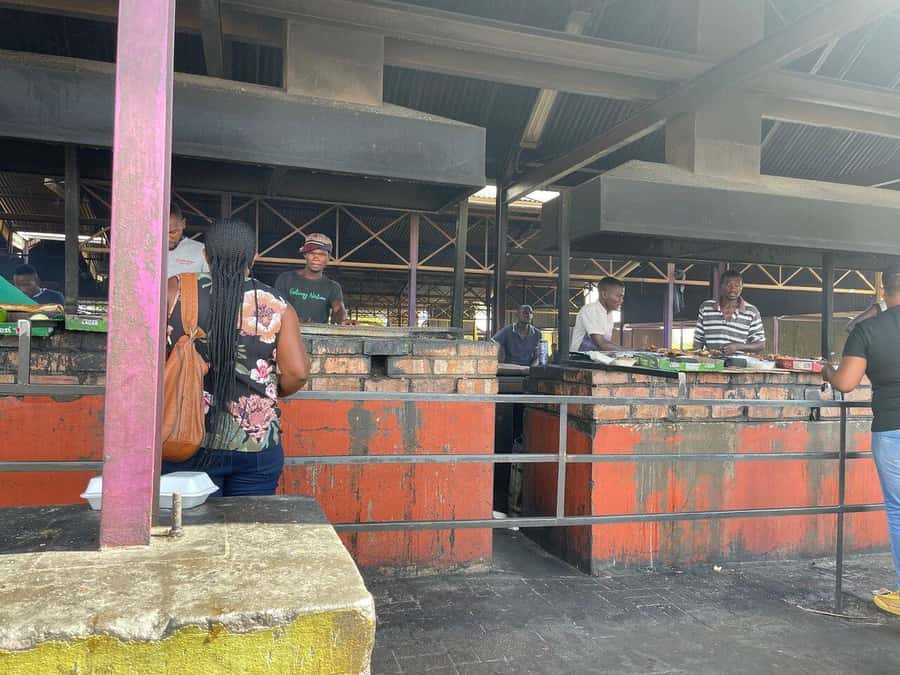
- The tour reaches Single Quarter and Oshetu Local Market: You go beyond central Windhoek and see a part of daily township life that is easy to miss on a standard city visit.
- Two food settings make the tour varied: The market provides smoky street food, while the restaurant offers a wider selection of traditional dishes.
- Guides add real value: Helena has been praised for explaining ingredients and preparation, while Vicky, Aune, and Victoria have also been noted for their friendly, engaging style.
- It is a private four-hour outing: Pickup is from your accommodation in Windhoek Central, with transport provided throughout the experience.
- The meal portions can be generous: Try small amounts at the market so you still have room for the restaurant stop.
Why kapana is worth building a tour around
Kapana is grilled beef prepared over an open fire. The meat is cut into small pieces, seasoned, cooked, and sold as it is ready. It is less a formal dish than a food ritual, with the cooking, choosing, tasting, and social talk all forming part of the experience.
The word kapana means meat in Oshiwambo. That name tells you something about the dish’s straightforward appeal. You are not getting a carefully plated restaurant course. You are getting hot beef, smoke, spice, and a market counter where the food moves quickly from grill to customer.
I like this kind of food because it shows how a city eats in ordinary life. At the market, you can watch the vendor work over the open flames. You may be able to choose cuts and request your preferred level of cooking, such as rare, medium, or well-done. The exact choice depends on the vendor and the conditions that day, but the interactive element is central to the kapana tradition.
The meat may be served with bread rolls, pap, a tomato and onion relish often called kapana sauce, and chili sauces. The relish brings freshness to the smoky beef, while chili can add a serious kick. If you prefer milder food, ask about the sauce before adding it.
This is the food people mean when they say you should not leave Windhoek without eating kapana. That may sound like a slogan, but it is useful advice. A visit to Windhoek that includes only hotel restaurants and formal dining rooms misses a major part of the city’s food culture.
More food and drink tours in Windhoek:
- Sandwich Harbour 4X4 Excursion Tour Food and Drinks
★ 5.0 · 48 reviews
From Windhoek Central to Single Quarter
The tour begins with pickup at your hotel or accommodation in Windhoek Central. Your driver meets you at the lobby or reception, so you do not need to make your way to a separate meeting point. Transport, fuel, and return transfer are included, which makes the $50 price easier to judge.
You then drive toward the township area of Single Quarter. The change in setting is part of the point. This is not just a food delivery service with a quick tasting attached. You are going to a local market area where food is prepared and sold as part of everyday commerce.
The tour is conducted in English, and the private group format gives you more room to ask questions. That matters here because the food names and ingredients may be unfamiliar. Guides have explained common meal ingredients, how they are prepared, and what they are used for. I would take advantage of that access and ask about the seasoning, the sauces, and the difference between market food and restaurant versions of the same ingredients.
The drive itself is not presented as a sightseeing circuit, so you should not book this expecting a long city tour. Its purpose is to get you to the food and the people connected with it. For a first visit to Windhoek, that focused approach works well.
Oshetu Local Market and the open-fire grill
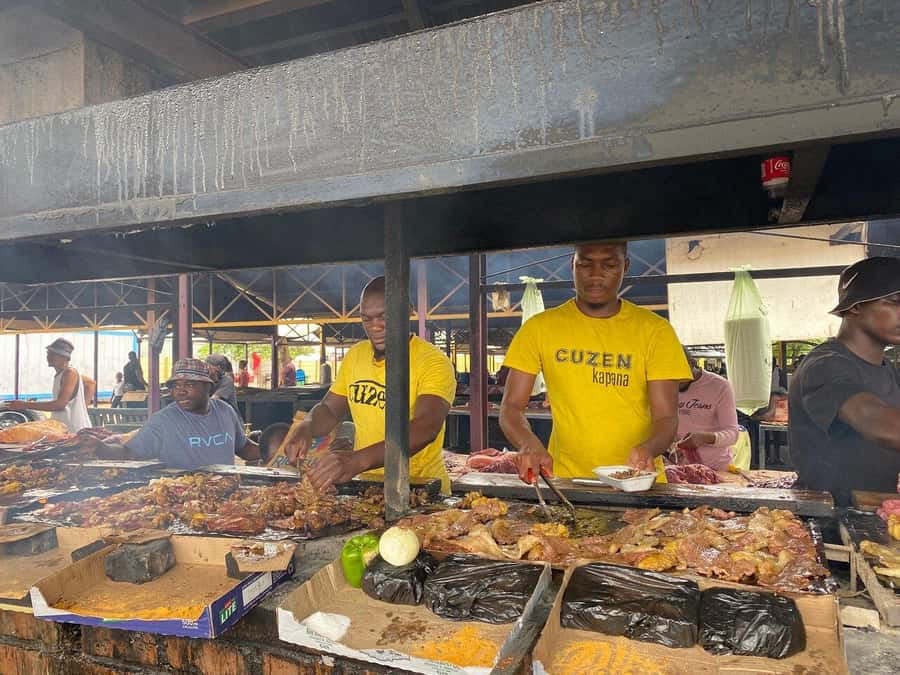
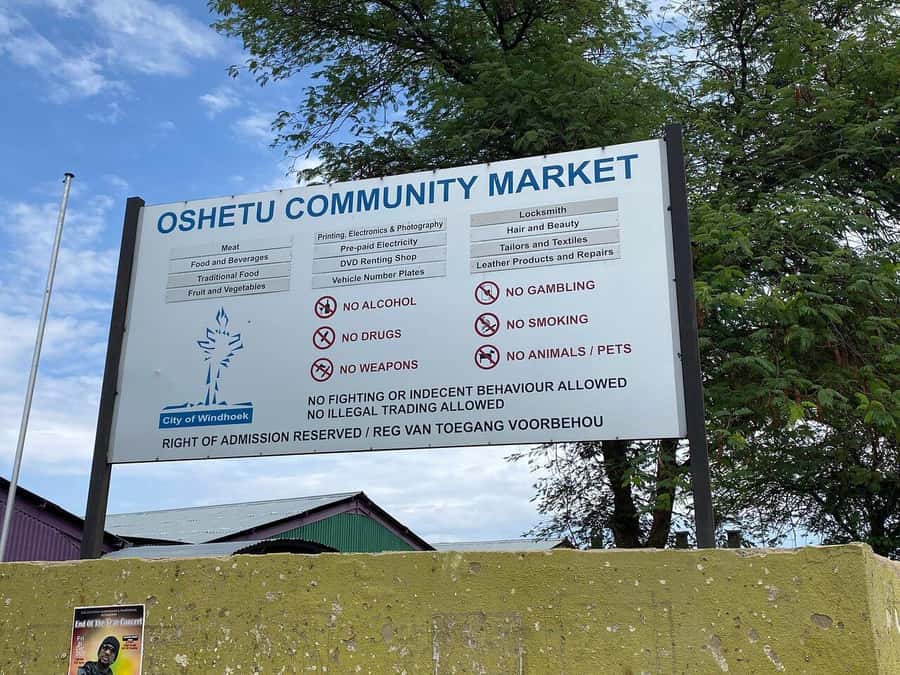
At Oshetu Local Market, the kapana experience begins with the grill. Meat is cut into small pieces and cooked over open flames, often in full view of the customers. The smell reaches you before the plate does, and the smoke is part of the flavor.
This is also where the tour feels most social. People gather around food stalls, talk, wait for their portions, and share plates. Kapana is commonly eaten with friends and family, so the setting gives you more than a taste of beef. It shows how food works as a reason to gather.
Expect a practical market environment rather than restaurant comfort. Open-fire cooking can mean smoke, heat, and a little disorder. That is not a flaw, but it is worth knowing before you go. If you want table service, air-conditioning, and a quiet meal, this stop may feel rough around the edges.
For me, that roughness is part of its value. The vendor’s hands, the grill, the sauces, and the quick service tell you more than a description on a menu can. You see the cooking method and the pace of the trade. You also get a chance to ask what is being prepared and how people normally eat it.
Carry cash. It is listed as something to bring, and it is sensible for a market visit. Mineral water is supplied, but other beverages are not included. You should also bring a camera if you want to record the food stalls and cooking, though ask before photographing people.
What to taste with your kapana
Kapana itself is the main event, but the accompaniments change the experience. Fresh bread rolls can soften the spice and help make the meat more filling. Pap, a porridge-like staple, gives the meal a plain, hearty base.
The tomato and onion relish adds a sharp, fresh contrast to the grilled beef. It may be called kapana sauce, and it is an important part of the plate rather than a decorative extra. Hot chili sauces are also available for people who enjoy more heat.
I would taste the meat first without adding much sauce. That lets you notice the smoke and seasoning. Then try the relish, followed by chili if you want it. This small order helps you understand how the accompaniments change the flavor.
The seasoning can include salt, pepper, chili flakes, and local spice blends. The exact mix may vary, so do not expect a fixed recipe. That variation is one reason the market stop feels more genuine than a standardized tasting menu.
Vegetarians should skip this tour. Kapana is beef, and the experience is built around meat. The restaurant stop may offer a range of traditional food, but the activity is specifically marked as unsuitable for vegetarians, so you should not book it hoping for a full meat-free alternative.
More things to do in Windhoek:
- Windhoek: City and Township Tour
★ 4.8 · 430 reviews - Half-Day Windhoek City and Township Cultural Tour
★ 4.5 · 187 reviews - Windhoek: Bushman Walk with the San
★ 4.9 · 145 reviews - 6-Day Dunes and Wildlife Accommodated Safari from Windhoek
★ 5.0 · 123 reviews
A second meal in a local restaurant
After the market, the group drives to a local restaurant for lunch. This changes the pace. Instead of standing near a grill and sampling food as it is cooked, you sit down with a broader selection of traditional dishes.
The restaurant meal gives you a better chance to compare textures and preparation methods. The market offers the immediate pleasure of smoky beef. The restaurant provides a wider view of Namibian cooking, with several dishes available to sample. Guides can explain what is on the table and how the food fits into local eating habits.
One restaurant described in the tour experience is run by a young woman who is an experienced cook. That detail matters because it points to a more personal setting than a large tourist dining room. The focus is on food prepared locally and shared with the group.
Portions can be generous. This is good value, but it creates a small tactical problem: if you eat a large amount of kapana early on, you may have to limit what you try at lunch. Pace yourself. Take a few bites of everything rather than filling up at the first stop.
The meal also gives you time to talk. Guides Helena and Victoria have been especially praised for being engaging companions at the table, while Vicky and Aune have been described as friendly and informative. That human connection is a major part of the tour’s appeal. The food is the hook, but the explanations and conversation help put it in context.
The guides make the difference
Food tours rise or fall on the guide, and this one appears to benefit from personal attention. Helena has been singled out for explaining ingredients, preparation, and everyday uses. She has also been praised for making a solo booking feel relaxed and worthwhile.
That matters if you are traveling alone. A private tour can sometimes feel awkward when there is no group to share the meal with, but the guide can make the experience conversational. The tour has also been led by Vicky, Aune, and Victoria, who are described as cheerful, engaging, and enthusiastic.
You should use the guides as a bridge, not just as a source of directions. Ask what people normally eat at home, how kapana is seasoned, and which dishes are common at the restaurant. The supplied information does not promise a fixed menu, so questions are the best way to make the meal more useful to you.
The guide’s role also helps with cultural manners. Markets are working places, not staged performances. A good guide can help you understand when it is appropriate to take a photograph, how to approach a stall, and how to order without getting in the way.
What the $50 price includes
At $50 per person, this is a reasonable value if you want a private food outing rather than a single market tasting. You receive hotel pickup and drop-off, transport during the tour, fuel, mineral water, kapana, and the traditional restaurant meal.
The transport is important. Single Quarter and Oshetu Local Market are outside the central hotel area, and arranging your own transport would add cost and planning. The private format also means the four hours are shaped around your group instead of a large bus schedule.
The price does not include beverages beyond the supplied water. Bring cash for drinks or other personal purchases. You should also consider that the value depends on your interest in local food and township life. If you mainly want a standard restaurant lunch, you can spend less elsewhere. If you want context, transport, two food stops, and a local guide, the package is stronger.
The tour is also flexible at booking. You can reserve and pay later, and cancellation is free up to 24 hours in advance for a full refund. Starting times vary, so you need to check availability when booking.
Who will enjoy this food tour most?
I would recommend it to you if you want to understand Windhoek through its food rather than only through monuments and city streets. It suits curious eaters, solo visitors, couples, and small private groups who enjoy conversation and do not mind a simple market setting.
It is especially useful early in your stay. The guides can help you learn the names of ingredients and dishes, and the experience may make later restaurant menus easier to read. It also gives you a clearer sense of how food connects to neighborhood life.
You should think twice if you are vegetarian, uncomfortable around open-fire meat preparation, or looking for a refined culinary class. This is a tasting and cultural outing, not a cooking lesson. You watch the vendors cook, interact with the food, and eat it, but there is no promise that you will prepare the dish yourself.
The four-hour length is well judged. You get enough time for the market, the restaurant, and conversation without turning the day into a full-day food marathon. Pickup and drop-off keep the schedule simple.
Practical tips for a better visit
Arrive hungry, but not empty. Kapana and the restaurant portions can both be substantial, so a light breakfast or early meal is wise.
Wear clothes you do not mind exposing to a little smoke. The open grill is part of the experience, and the cooking area may be warm.
Bring cash and a camera. Water is included, but other drinks are not. Ask permission before photographing vendors or customers.
Use the chili carefully. Start with the meat and relish, then add heat in small amounts. You can always add more, but you cannot remove it.
Tell the guide about your preferred level of cooking and spice. The information provided says customers can often request rare, medium, or well-done meat, though this may depend on the vendor.
Should you book the Kapana and Traditional Food Tour?
Book it if you want a social, food-focused look at Windhoek that reaches beyond central hotels. The strongest reasons are the open-fire kapana, the Oshetu market visit, the second meal with traditional dishes, and the guides’ personal explanations.
The $50 cost is fair because transport and both meals are included. Just bring cash for drinks, expect a basic market environment, and understand that this is a beef-centered experience. If those conditions suit you, this is one of the more useful ways to connect Namibian food with daily life in Windhoek.
FAQ
How long does the Kapana and Traditional Food Tour last?
The tour lasts four hours, including pickup, the market visit, the traditional restaurant meal, and return to Windhoek Central.
Where does the tour begin?
Pickup is provided from your accommodation or hotel in Windhoek Central. The driver will meet you at the hotel lobby or reception.
What is kapana?
Kapana is beef cut into small pieces and grilled over an open fire. It is sold hot as it cooks and may be served with bread, pap, tomato and onion relish, and chili sauce.
Is food included in the price?
Yes. The price includes kapana and traditional food at a local restaurant, along with mineral water.
Are drinks included?
Mineral water is included. Other beverages are not included, so bring cash if you want to purchase drinks.
Is this tour suitable for vegetarians?
No. The activity is not suitable for vegetarians because kapana is a central part of the experience and consists of beef.
Is the tour private?
Yes. The group type is private, and the tour is conducted in English.
Can I cancel the booking?
You can cancel up to 24 hours in advance for a full refund. You can also reserve now and pay later.
What should I bring?
Bring a camera and cash. Drones and explosive substances are not allowed.
Just added in Windhoek
- Windhoek: Katutura Township Tour with Local Guide★ 3.5 · 3 reviews
- Windhoek: City & Township tour. Vehicle, guide, kapana★ 4.2 · 4 reviews
- Windhoek: Dustenbrook Scenic Game Drive★ 5.0 · 1 review
- Windhoek: Okapuka Game Ranch Guided Tour★ 5.0 · 2 reviews
- Windhoek : Cheetah walk Experience★ 4.6 · 8 reviews
- Windhoek City and Township Tour★ 5.0 · 1 review
- 10-Day Private Yoga Adventure in Namibia★ 5.0 · 7 reviews
- Namibia Express Safari – 6 Days★ 5.0 · 1 review
Windhoek Tours, compared.
Half-Day Windhoek City and Township Cultural Tour
Read our review →

6-Day Dunes and Wildlife Accommodated Safari from Windhoek
Read our review →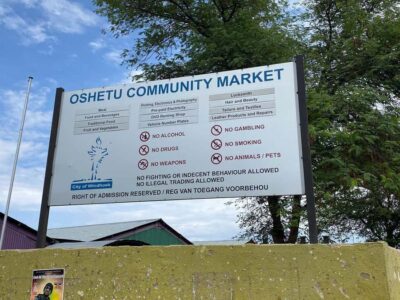

10-Day Namibia Highlights Guided Tour from Windhoek
Read our review →
Browse the lists this tour appears in