
Reviewed · WINDHOEK TOURS
Discover the Routes of N/a’an ku sê.
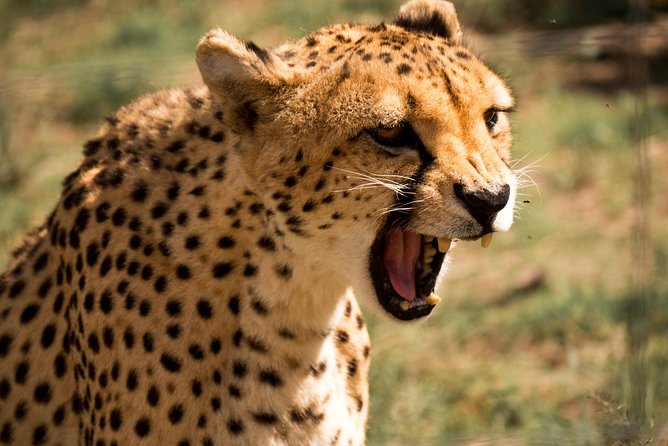
Predators make this a memorable half-day outing. Near Windhoek, N/a’an ku sê Wildlife Sanctuary gives you a close look at lions, cheetahs, leopards, African wild dogs, hyenas, baboons, caracals, and other animals while explaining why some cannot return to the wild. I like the small-group format, advertised for as few as three people, and I like that feeding sessions add action and purpose to the wildlife drive. The main drawback is that some animals are viewed behind barriers, so this is not the right choice if you expect close-up photographs through open spaces.
The tour costs $136.71 per person and lasts about five hours, with roughly three hours at the sanctuary. Pickup is offered, and the 1:30 pm start gives you a useful afternoon activity from Windhoek. I would confirm the expected group size before booking, though, because the details also list a maximum of 13 participants.
In This Review
- Key points to know before you book
- What N/a’an ku sê offers near Windhoek
- The 1:30 pm departure from Windhoek
- The wildlife drive through the sanctuary
- Feeding time brings the action
- Learning about ambassador animals
- The important limits of the experience
- Group size and the personal feel
- Is $136.71 a fair price?
- Who will enjoy this outing most?
- Booking, weather, and cancellation details
- Should you book Discover the Routes of N/a’an ku sê?
- FAQ
- Where does this experience take place?
- What time does the tour start?
- How long does the experience last?
- Which animals might I see?
- Can I cancel for a full refund?
- What happens if bad weather cancels the tour?
Key points to know before you book
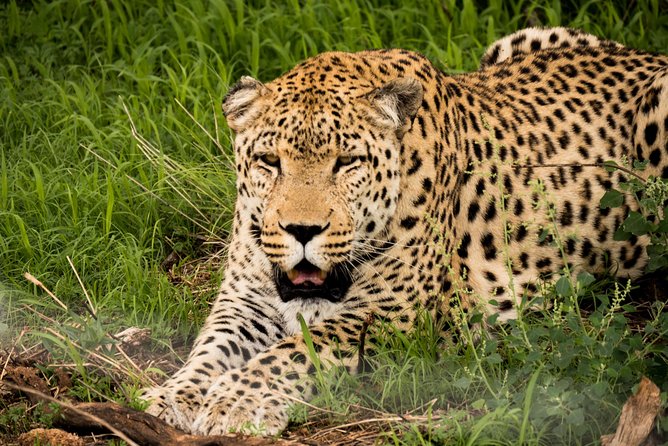
- Feeding sessions add movement: You may see baboons, caracals, lions, cheetahs, African wild dogs, and leopards during scheduled feeding times.
- The animals have complicated pasts: Some were rescued from lives as dangerous pets and now serve as ambassador animals when release is not possible.
- The wildlife drive is the heart of the outing: You ride through the sanctuary with a guide and watch for animals roaming in the reserve.
- Photography is good, but not unlimited: You get repeated photo chances, yet safety barriers can prevent the very close images some people want.
- The advertised group size needs clarification: One part of the information says three people, while another allows up to 13.
- Weather can affect the plan: Poor weather may lead to a new date or a full refund.
What N/a’an ku sê offers near Windhoek
N/a’an ku sê is not simply a place to tick predators off a list. The sanctuary also gives you a look at the difficult choices involved in caring for wild animals that cannot safely return to nature.
That distinction matters. You are not promised a completely open, untouched wildlife encounter. Some animals are kept in protected enclosures, and you may view them from behind bars or other barriers. Yet the visit can still help explain what happens when a lion, leopard, or cheetah has been raised around people, kept as a pet, or otherwise loses the skills needed for release.
The sanctuary’s ambassador animals are central to the experience. These animals cannot be released back into the wild, so they play a role in teaching visitors about their species and the threats they face. Your guide explains their behavior, habitat, and personal history, turning the drive into more than a simple animal sighting.
I find that useful because it sets realistic expectations. You may not get the perfect photograph, but you gain a clearer idea of why conservation work sometimes means keeping an animal in human care. The purpose is protection, not a staged petting encounter.
More things to do in Windhoek:
- Windhoek: City and Township Tour
★ 4.8 · 430 reviews - Half-Day Windhoek City and Township Cultural Tour
★ 4.5 · 187 reviews - Windhoek: Bushman Walk with the San
★ 4.9 · 145 reviews
The 1:30 pm departure from Windhoek
The experience begins at 1:30 pm, with pickup offered. That makes it easy to fit into a Windhoek stay, especially if you want to keep your morning free or are looking for something to do after visiting the city.
The total duration is listed as about five hours, while the sanctuary portion is about three hours. The remaining time is likely connected with transport and the movement between pickup, the reserve, and Windhoek, though the exact transfer schedule is not stated. I would allow the full five-hour window rather than planning another appointment close to the end.
A mobile ticket and confirmation at booking keep the practical side simple. The meeting point details are limited, so you should check the pickup instructions carefully after booking. Public transportation is nearby, but the tour includes pickup, which is likely the easier choice if you are staying in Windhoek.
The afternoon timing also affects the feel of the outing. You are not joining an early morning game drive. Instead, the schedule is built around an afternoon visit and feeding sessions, which can make the animals more active at particular points of the program.
The wildlife drive through the sanctuary
The main activity is a guided drive through N/a’an ku sê Wildlife Sanctuary. You watch for animals in the reserve and stop at areas where the sanctuary’s rescued and ambassador animals are cared for.
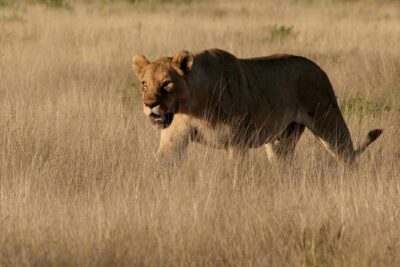
The list of possible sightings is impressive: baboons, caracals, lions, cheetahs, African wild dogs, leopards, and hyenas are all part of the sanctuary’s animal collection or wider wildlife setting. You should treat that list as a range of possible encounters, not a guarantee that every species will appear during your visit.
That uncertainty is part of any wildlife outing, but a sanctuary visit differs from a national park safari. The animals are being managed and protected, so the guide can often take you to specific areas and provide information about individual animals. At the same time, the setting may feel less wild than watching a predator appear unexpectedly in open bush.
I like the way this format can help you notice behavior. A guide may point out how an animal moves, feeds, reacts to others, or uses its space. You learn to look beyond the dramatic moment of a lion or cheetah and pay attention to the animal’s habits and needs.
The drive also gives you chances to see animals roaming freely in the reserve. Keep your eyes open between the scheduled stops. The animals you encounter along the route may provide some of the most natural moments of the afternoon because they are not necessarily gathered for a feeding session.
Feeding time brings the action
Feeding sessions are a major reason to choose this tour. You may watch the guides feed baboons, caracals, lions, cheetahs, African wild dogs, and leopards, depending on the day’s program and animal activity.
Feeding makes the animals easier to observe. You can see how they approach food, react to one another, and display their natural instincts. For photography, this is often when you have the clearest chance to capture movement rather than a distant animal resting in the shade.
But feeding time should not be mistaken for a hands-on activity. The animals are wild and dangerous, and the sanctuary keeps a safe distance between you and them. You are there to watch and learn, not to enter enclosures or get close enough for a personal animal encounter.
One visitor found the distance frustrating, especially after hoping to take very close photographs through the bars. The response from the operator made the reason clear: safety comes first because these animals are not tame. If you want crisp, close-up images at eye level, you may find the barriers disappointing. If you accept the limits, the feeding sessions become a valuable part of the sanctuary’s work rather than a photo prop.
Bring realistic expectations for camera equipment, too. The experience promises good photography opportunities, but it does not promise unrestricted access or a clear shot at every animal. Your best images may show behavior, group interaction, or the animal within its protected setting.
A completely different kind of day:
- 6-Day Dunes and Wildlife Accommodated Safari from Windhoek
★ 5.0 · 123 reviews - Windhoek City Tour
★ 5.0 · 113 reviews - 10-Day Namibia Highlights Guided Tour from Windhoek
★ 5.0 · 78 reviews - 12 Day Classic Namibia Camping Safari
★ 5.0 · 77 reviews
Learning about ambassador animals
The sanctuary’s strongest educational feature is its focus on ambassador animals. These are animals that cannot be released into the wild, often because of their history with people or because they lack the skills needed to survive independently.
That subject gives the tour more weight than a standard animal display. You learn that rescue does not always end with release. In some cases, keeping an animal safe and allowing it to contribute to public education is the most responsible option available.
Your guide also explains animal behavior and habitat. This is important in Namibia, where predators are part of a much larger conservation challenge involving people, livestock, land use, and survival. The supplied information does not spell out every conservation project at N/a’an ku sê, so you should not expect a full lecture on every issue. You can expect an introduction to the sanctuary’s efforts and the individual animals in its care.
I would pay attention to the stories behind the animals. A lion seen behind a barrier can seem distant from the wild, but understanding how it arrived there changes the encounter. The story explains the enclosure, the safety rules, and the reason the sanctuary continues to care for it.
The important limits of the experience
The biggest question is how close you want to get. The animals may be near enough for strong viewing, but you cannot assume that you will stand right beside them or photograph them without obstruction.
The sanctuary’s safety approach is sensible. Lions, leopards, cheetahs, wild dogs, and hyenas are not domesticated just because people care for them. Barriers protect both the animals and the people watching them.
Still, the setting may feel zoo-like at certain points. If you are looking for a completely wild safari, this experience may not satisfy you. You may prefer a reserve or national park drive where sightings depend entirely on chance and animals are not gathered for feeding.
The value here is different. You get more explanation, a better chance to see particular species, and a direct introduction to rescue work. You give up some of the mystery and freedom of a true wilderness sighting.
That trade-off explains the mixed satisfaction this outing can produce. One person found the experience a waste of time and money because the animals were viewed through barriers. Another praised the driver as very friendly, helpful, and accommodating. The guide can make a real difference, especially when the animal is not positioned for an ideal photograph.
Group size and the personal feel
The tour highlights a maximum of three people, which would make the outing unusually personal. With such a small group, you could expect more room for questions and less competition for views during the drive and feeding sessions.
However, the additional information gives a maximum of 13 participants. That is a meaningful difference. A three-person drive feels almost private, while 13 people can change where you sit, how quickly the group moves, and how easily you can ask questions.
I would contact Chameleon Safaris before paying if group size is a deciding factor. Ask whether the specific departure is limited to three people or whether 13 is the actual upper limit. Do not assume the smaller figure applies to every booking.
Either way, the experience is not described as a huge bus excursion. Even a group of 13 is manageable for a guided sanctuary visit, though it will not offer the same personal attention as a three-person outing.
Is $136.71 a fair price?
At $136.71 per person, this is not a cheap add-on. The price makes the most sense if you value the combination of transport, a guided drive, animal feeding sessions, and conservation interpretation.
You are paying for access to a specialist wildlife facility near Windhoek, not just a ride through open country. The price also covers admission to the sanctuary. If you are staying in Windhoek and would otherwise need to arrange transport and entry separately, the package is easier to manage.
The value drops if your main goal is close-up photography. A single disappointing image can make the price feel high, particularly if barriers block the angle you wanted. The tour is a better buy for someone who wants to understand rescued predators and see feeding behavior than for someone chasing a perfect portrait.
The roughly five-hour length helps. This is a substantial afternoon rather than a quick stop. You get time for the drive, animal encounters, and explanations, although the exact balance between transport and sanctuary time is not detailed. I would compare the cost with other Windhoek wildlife outings, but judge this one by its conservation focus rather than by the number of species you might see.
Who will enjoy this outing most?
I would recommend it to you if you want an accessible introduction to Namibia’s predators without committing to a multi-day safari. It suits visitors based in Windhoek who want a guided half-day activity and families or first-time wildlife watchers who benefit from clear explanations.
It is also a good match for people interested in animal rescue. The ambassador animal program gives you a chance to think about the difference between protecting an animal and returning it to the wild. That is a worthwhile lesson, even when the viewing area is not perfectly natural.
Photographers can enjoy the outing, but you need flexible expectations. You will have many chances to photograph animals, especially during feeding, yet safety barriers can limit close shots. A camera helps, but patience and attention to behavior matter more than chasing a single dramatic portrait.
I would be more cautious if you have already been on several open-country safaris and want only free-ranging wildlife. The sanctuary provides a controlled encounter, and some parts may remind you of a zoo. That does not make the work unimportant, but it does make the experience different from a national park game drive.
Booking, weather, and cancellation details
Confirmation is provided when you book, and the experience offers free cancellation up to 24 hours before the start time. If you cancel less than 24 hours before departure, you will not receive a refund, and changes made inside that window are not accepted.
The activity depends on good weather. If poor weather causes cancellation, you will be offered another date or a full refund. Since the outing is built around an outdoor drive, check the forecast before the final cancellation deadline if your plans are uncertain.
Most people can participate, and the tour is near public transportation. Pickup is offered, which is the most practical option for many visitors staying in Windhoek.
Should you book Discover the Routes of N/a’an ku sê?
Book this tour if you want a structured afternoon with rescued predators, feeding sessions, a guided wildlife drive, and an introduction to conservation near Windhoek. The driver’s friendly, helpful manner is a real plus, and the sanctuary gives you access to animals you might not see easily on a short city stay.
Skip it if your priority is unrestricted wildlife viewing or very close photographs. Ask Chameleon Safaris to confirm the group size and the expected viewing setup before booking. If you can accept barriers as part of responsible animal care, the $136.71 price buys an informative and memorable look at N/a’an ku sê’s work. If you cannot, choose a more traditional open-reserve safari instead.
FAQ
Where does this experience take place?
It takes place at N/a’an ku sê Wildlife Sanctuary near Windhoek, Namibia.
What time does the tour start?
The stated start time is 1:30 pm.
How long does the experience last?
The complete experience lasts about five hours. The sanctuary portion is listed as approximately three hours.
Which animals might I see?
Possible animals include baboons, caracals, lions, cheetahs, African wild dogs, leopards, and hyenas. Other animals may also be roaming in the reserve.
Can I cancel for a full refund?
Yes. You can cancel at least 24 hours before the local start time for a full refund. Cancellations and changes made less than 24 hours before the start are not refundable.
What happens if bad weather cancels the tour?
You will be offered a different date or a full refund if the experience is canceled because of poor weather.
Just added in Windhoek
- Windhoek: Katutura Township Tour with Local Guide★ 3.5 · 3 reviews
- Windhoek: City & Township tour. Vehicle, guide, kapana★ 4.2 · 4 reviews
- Windhoek: Dustenbrook Scenic Game Drive★ 5.0 · 1 review
- Windhoek: Okapuka Game Ranch Guided Tour★ 5.0 · 2 reviews
- Windhoek : Cheetah walk Experience★ 4.6 · 8 reviews
- Windhoek City and Township Tour★ 5.0 · 1 review
- 10-Day Private Yoga Adventure in Namibia★ 5.0 · 7 reviews
- Namibia Express Safari – 6 Days★ 5.0 · 1 review
Windhoek Tours, compared.
Half-Day Windhoek City and Township Cultural Tour
Read our review →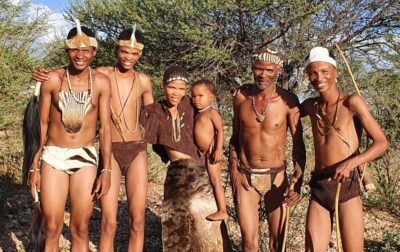
6-Day Dunes and Wildlife Accommodated Safari from Windhoek
Read our review →
10-Day Namibia Highlights Guided Tour from Windhoek
Read our review →
Browse the lists this tour appears in