
Reviewed · WINDHOEK TOURS
Discover the Roots of N/a’ankuse – A feeding Day Tour
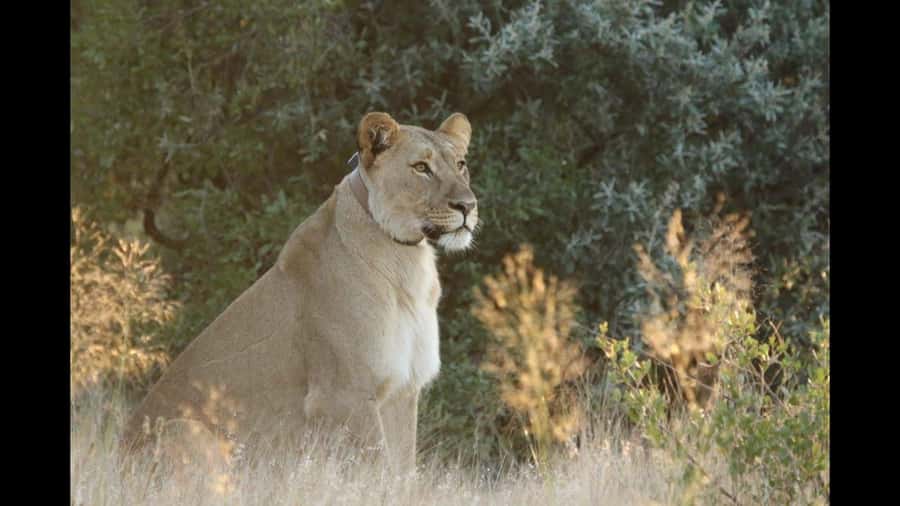
Predators come close at feeding time. This six-hour outing from Windhoek offers a rare look at cheetahs, caracals, African wild dogs, leopards, and baboons while a guide explains how each animal reached N/a’an ku sê. I like the small groups of up to five people and the easy hotel pickup from central Windhoek. I also like that the tour supports a working conservation centre rather than offering only a quick animal sighting.
The main thing to understand is that this is a feeding tour, not a game drive. You will not spend the morning searching quietly for wild animals across a large reserve. Instead, you watch the feeding session and hear the stories behind the animals in care. At $180 per person, that makes the experience worthwhile for visitors who value close interpretation and conservation, but expensive if you expect hours of free-roaming wildlife sightings.
In This Review
- Key points to know before booking
- Leaving Windhoek for N/a’an ku sê
- What happens at Naankuse Lodge
- Cheetahs, caracals, wild dogs, and leopards
- Conservation stories instead of a standard safari
- A six-hour schedule that works well in Windhoek
- Is $180 per person fair value?
- Who will enjoy this feeding tour most?
- Small details that can improve your day
- Should you book the N/a’an ku sê feeding tour?
- FAQ
- Where does the tour begin?
- How long does the experience last?
- Is this a game drive?
- Which animals might I see?
- What language is the tour in?
- What is included in the price?
- Can I cancel the booking?
Key points to know before booking
- The tour starts in Windhoek at 08:30: Pickup is available from the Avani Windhoek Hotel & Casino or Hilton Windhoek.
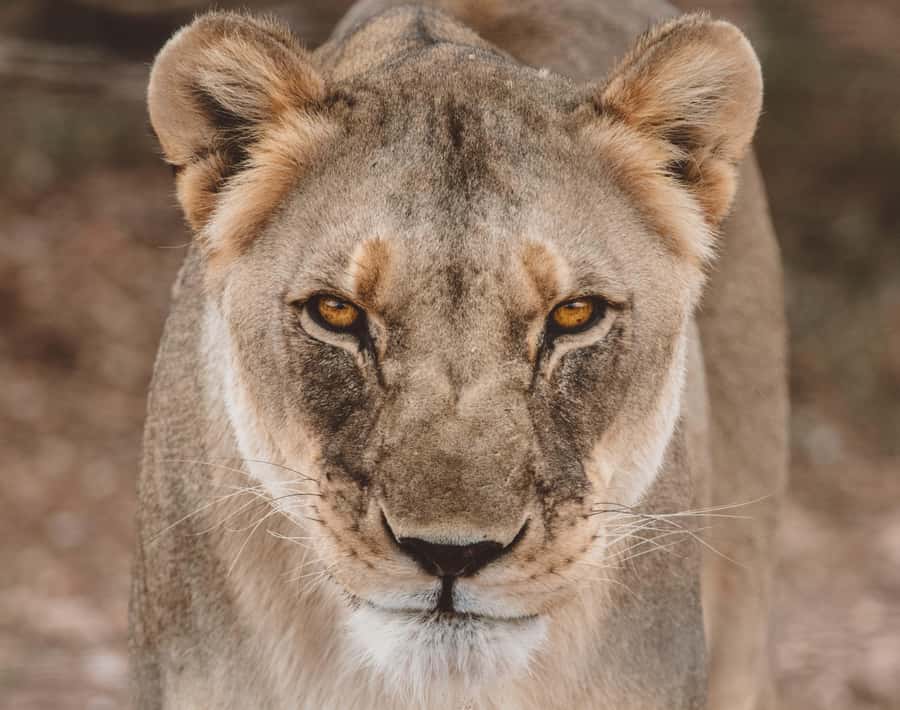
- The animal encounters are part of a feeding session: The guide feeds the animals while explaining their backgrounds and the sanctuary’s work.
- The main guided visit lasts about 2.5 hours: The included tour duration is listed as roughly three to three and a half hours, with the full outing taking about six hours.
- The group is limited to five participants: That gives you a better chance to hear the guide and ask questions.
- The route offers scenic Namibian views: You may also spot animals moving freely through the reserve during the drive.
- The price reflects transport and access to a specialist conservation visit: It is less attractive if you are seeking a traditional safari drive.
Leaving Windhoek for N/a’an ku sê
Your day begins with hotel pickup at 08:30 from either the Avani Windhoek Hotel & Casino or Hilton Windhoek. The return drive is included, so you do not need to arrange a rental car or work out the route yourself. That is useful in Windhoek, especially if you have only a short stay and want a direct half-day outing.
The drive toward N/a’an ku sê is part of the experience. You will pass through open Namibian scenery, and the route gives you time to watch for baboons and other animals. The information provided does not promise a set list of roadside sightings, so treat these as possible bonuses rather than guaranteed encounters.
Transport also shapes the value of the tour. The $180 price includes pickup, return transport, drinks, and the guided visit. If you already have a car and could reach the sanctuary independently, the cost may feel high. If you are staying in Windhoek without a vehicle, the included transfer removes a real practical obstacle.
More things to do in Windhoek:
- Windhoek: City and Township Tour
★ 4.8 · 430 reviews - Half-Day Windhoek City and Township Cultural Tour
★ 4.5 · 187 reviews - Windhoek: Bushman Walk with the San
★ 4.9 · 145 reviews
What happens at Naankuse Lodge
The central stop is Naankuse Lodge, where you join a guided tour lasting around two and a half hours. The supplied details also describe the included tour as three to three and a half hours, so the exact time on site may vary. Check the confirmed schedule when booking if the length of the visit matters to you.
This is a structured feeding session. The guide feeds the animals and explains how they came to the sanctuary. That distinction matters. You are not simply watching a pride or herd behaving without human involvement. You are seeing animals that need care, along with the conservation choices behind their placement at N/a’an ku sê.
The session may include baboons, caracals, cheetahs, African wild dogs, and leopards. The exact sequence and number of animals can vary, and the experience does not promise that every animal will be active or visible for a long period. A July booking recorded that there were not many animals during that visit, so you should arrive with realistic expectations.
Still, the feeding setting provides something a standard drive may not. You receive context about individual animals, their circumstances, and the sanctuary’s mission. That personal background can make the encounter more meaningful, especially if you want to understand why a rescue or conservation centre exists rather than only collect photographs.
Cheetahs, caracals, wild dogs, and leopards
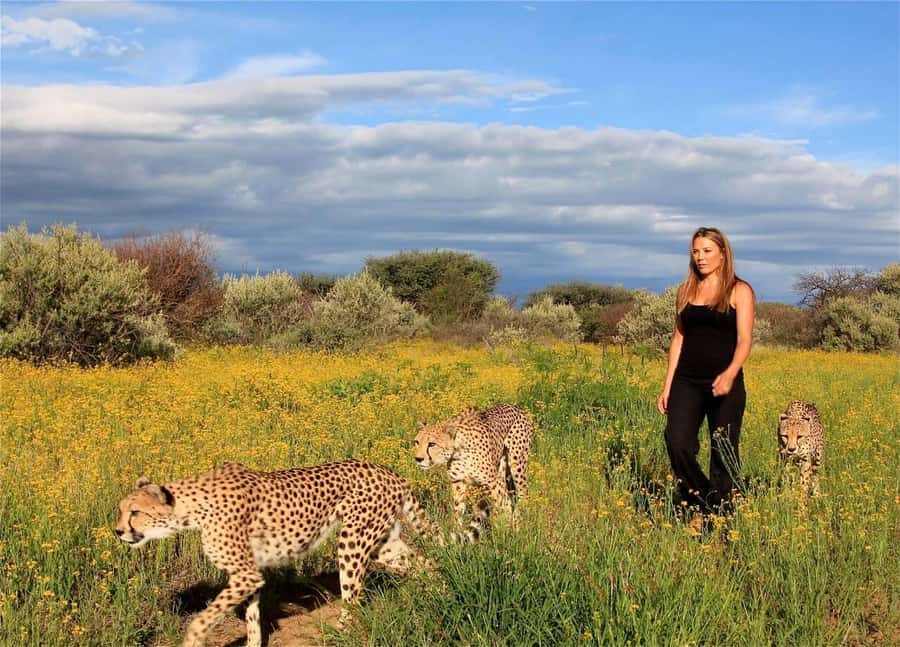
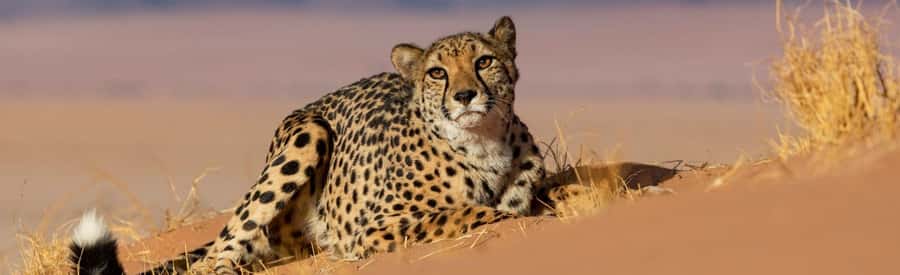
The animal list is the tour’s biggest draw. Cheetahs are often associated with speed, but a close feeding session can reveal less expected behaviour. One particularly memorable detail in the booking feedback was hearing a cheetah purr. That is the sort of small, unusual moment that can stay with you longer than another distant animal sighting.
Caracals bring a different kind of interest. Their distinctive appearance and quieter behaviour make them a strong subject for questions during the feeding. African wild dogs are also a special inclusion, since they are less familiar to many visitors than lions or elephants. The guide’s explanation helps you place these predators within the wider conservation picture.
Leopards may be present as well, though no wildlife encounter is guaranteed in a fixed format. Feeding gives you a better chance to see the animals at a planned point than a traditional search across open country, but it also means their actions are linked to the schedule. You are observing a managed session, not a completely spontaneous hunt or social scene.
Baboons add variety to the predator focus. Their presence reminds you that the sanctuary’s work includes more than Africa’s famous big cats. Keep your camera ready, but listen closely too. The value here lies in the combination of sight, explanation, and the story of how the animal reached the centre.
Conservation stories instead of a standard safari
N/a’an ku sê is presented as a conservation organisation with a clear mission. The tour introduces you to that work through the animals in care and the guide’s explanations. You learn not just what you are looking at, but why the sanctuary is involved with that animal.
That makes this outing a useful first introduction to N/a’an ku sê. If you are visiting Namibia for the first time, the session can help you understand how conservation centres support animals that cannot simply be released or left without protection. The experience also celebrates the staff and guides who care for these creatures.
The guide’s role is important. Feedback consistently praised the guide as friendly and well informed, with one German visitor saying the tour passed quickly despite very warm weather. That points to a strong human element: a good explanation can turn a short animal visit into a worthwhile lesson.
The small group limit helps. With no more than five participants, you should have a better chance to hear the stories and ask about animal behaviour, feeding, and the sanctuary’s work. This is a more personal arrangement than a large coach outing, although the data does not name the individual guide, so you cannot request a particular person in advance.
A completely different kind of day:
- 6-Day Dunes and Wildlife Accommodated Safari from Windhoek
★ 5.0 · 123 reviews - Windhoek City Tour
★ 5.0 · 113 reviews - 10-Day Namibia Highlights Guided Tour from Windhoek
★ 5.0 · 78 reviews - 12 Day Classic Namibia Camping Safari
★ 5.0 · 77 reviews
A six-hour schedule that works well in Windhoek
The timing is practical for a busy Namibia itinerary. Pickup is at 08:30, and you return to Windhoek at around 14:00. That leaves part of the afternoon free for a city visit, a relaxed meal, or preparation for the next stage of your trip.
The schedule also means this is not an all-day safari. You spend time driving in each direction, then several hours at the lodge and feeding area. Visitors who want a full morning and afternoon in the bush may find the outing too short. Visitors who want a focused animal experience without giving up an entire day may find the timing just right.
Drinks are included during the tour. Lunch is not listed among the inclusions, although one booking account referred to lunch as acceptable. Since the formal details do not clearly promise a meal, I would not book this expecting lunch to be part of the price. Bring a small snack if you need one, and confirm meal arrangements before departure.
Warm weather is another practical concern. Namibia can be hot, and one account specifically noted the heat. Wear light clothing, carry sun protection, and bring a charged phone and camera. The official advice specifically asks you to bring a camera and charged smartphone.
Is $180 per person fair value?
At $180, this is a premium half-day outing. The price includes hotel pickup and drop-off, return transport, drinks, and the guided N/a’an ku sê visit. It also gives you access to a small group capped at five people, which improves the feel of the day.
The value depends on what you are buying. You are paying for a planned conservation encounter, a guide’s interpretation, and simple transport from Windhoek. You are not paying for a guaranteed safari list, a long game drive, or a meal-heavy day.
The feedback is mixed in a useful way. One Austrian booking rated the experience three out of five and called it beautiful but expensive. Another booking from the Netherlands gave the same rating, noting that the organisation was good but there were not many animals and the cost felt high. Those points should not be brushed aside. They identify the central risk: your satisfaction depends on how much you value the conservation stories and close feeding session.
At the same time, several bookings gave the outing top marks. Praise focused on the friendly guide, the guide’s expertise, smooth pickup, and unusual animal moments such as hearing a cheetah purr. A German visitor gave a clear recommendation and said the guide was very friendly and professionally informed.
I would consider the price reasonable for a visitor without a car who wants a compact, guided conservation visit. I would hesitate if your main goal is maximum animal variety. For that purpose, a conventional wildlife drive may offer a better match, though this specific tour is the option described here and should be judged on its own terms.
Who will enjoy this feeding tour most?
This experience suits you if you:
- Have a short stay in Windhoek and want a half-day wildlife outing.
- Care about conservation and animal welfare, not only sightings.
- Prefer a small group and a guide-led visit.
- Want to see predators that may be difficult to find on a standard drive.
- Appreciate transport arranged from a central hotel.
- Enjoy learning how individual animals came to live at a sanctuary.
It is less suitable if you want a silent search for wild animals in open country. It is also a poor choice if you dislike scheduled animal feeding or expect a guaranteed large number of sightings.
The tour is not suitable for people with mobility impairments or motion sickness, according to the activity information. The driving and the movement between Windhoek and N/a’an ku sê may be uncomfortable if you are prone to nausea. Drones and explosive substances are not allowed, which is hardly a hardship unless your packing list has taken a very strange turn.
Small details that can improve your day
Wear clothing suited to warm conditions and bring a camera with enough battery for the full outing. A charged smartphone is specifically recommended, and it is useful for photographs, notes, and keeping in touch before pickup.
Ask questions during the feeding session. Since the guide explains how the animals reached the sanctuary, this is where you gain the most from the experience. You might ask about the difference between animals in care and animals living freely in the reserve, or how feeding supports their rehabilitation and welfare.
Keep your expectations flexible. You may see the listed predators, but the number of active animals can vary. The tour’s strength is not a promise of constant wildlife action. It is the chance to see several impressive species in a conservation setting and understand more about the work behind their care.
English is the tour language. The small group format should make it easier to follow the explanation, but you should choose this outing only if you are comfortable receiving the guide’s commentary in English.
Should you book the N/a’an ku sê feeding tour?
Book it if you want a convenient, small-group introduction to N/a’an ku sê and you are happy to trade a traditional game drive for a planned feeding session. The friendly guide, unusual predator encounters, conservation focus, and included hotel transport are the strongest reasons to go.
Think twice if $180 feels steep for a six-hour outing or if you need a full day of varied wildlife sightings. The mixed scores point to a clear value question: some people find the animal stories and close encounters worth the price, while others find the number of animals too limited.
My practical advice is to book this as a conservation visit, not as a safari substitute. With that expectation, the tour offers a focused and worthwhile morning from Windhoek. If you mainly want distance, unpredictability, and a long search across open country, choose a different type of wildlife outing.
FAQ
Where does the tour begin?
Pickup is available from the Avani Windhoek Hotel & Casino or Hilton Windhoek at 08:30.
How long does the experience last?
The full outing lasts about six hours, with return to Windhoek at around 14:00.
Is this a game drive?
No. It is a feeding tour. The guide feeds the animals while explaining how they came to the sanctuary.
Which animals might I see?
The tour may include baboons, caracals, cheetahs, African wild dogs, and leopards. Other animals may also be seen roaming freely in the reserve.
What language is the tour in?
The live tour guide speaks English.
What is included in the price?
The price includes Windhoek hotel pickup and drop-off, return transport, the guided N/a’an ku sê visit, and drinks during the tour.
Can I cancel the booking?
Yes. You can cancel up to 24 hours in advance for a full refund. You can also reserve now and pay later, subject to availability.
Just added in Windhoek
- Windhoek: Katutura Township Tour with Local Guide★ 3.5 · 3 reviews
- Windhoek: City & Township tour. Vehicle, guide, kapana★ 4.2 · 4 reviews
- Windhoek: Dustenbrook Scenic Game Drive★ 5.0 · 1 review
- Windhoek: Okapuka Game Ranch Guided Tour★ 5.0 · 2 reviews
- Windhoek : Cheetah walk Experience★ 4.6 · 8 reviews
- Windhoek City and Township Tour★ 5.0 · 1 review
- 10-Day Private Yoga Adventure in Namibia★ 5.0 · 7 reviews
- Namibia Express Safari – 6 Days★ 5.0 · 1 review
Windhoek Tours, compared.
Half-Day Windhoek City and Township Cultural Tour
Read our review →
6-Day Dunes and Wildlife Accommodated Safari from Windhoek
Read our review →
10-Day Namibia Highlights Guided Tour from Windhoek
Read our review →
Browse the lists this tour appears in