
Reviewed · TOWNSHIP TOURS IN WINDHOEK
Windhoek: Katutura Township and City Walking Tour
See Windhoek beyond the postcard. This three-hour private tour combines major city landmarks with a close look at Katutura, local markets, traditional food, and everyday life. I like the way it joins Christuskirche, the Tintenpalast, museums, and memorials with places many visitors would not find easily on their own. I also like the chance to meet local people and taste dishes such as omahangu porridge.
The main caution is timing. The schedule covers a great deal in only three hours, and several attractions close on Sundays. If you book for Sunday, you may see buildings from outside rather than enter them. Guide James has earned especially warm praise for his history lessons and personal approach, but you should confirm the day, start time, and planned stops before setting out.
In This Review
- Key points to know before booking
- Why this Windhoek tour feels different
- Christuskirche and the German colonial chapter
- The Tintenpalast and Namibia’s government
- Independence Memorial Museum and the Genocide Memorial Monument
- Windhoek Crafts Centre and local work
- Pepata Traditional Food Restaurant
- Katutura, Okahandja Park, and the human side of Windhoek
- China Town and the Old Location
- What $49 buys you
- Who will enjoy this experience most
- Should you book the Katutura and city tour?
- FAQ
- How long is the Windhoek Katutura and city tour?
- Is pickup included?
- What language is the tour offered in?
- Is this a private tour?
- Are meals and drinks included?
- What should I bring?
Key points to know before booking
- Katutura is the emotional center of the tour: You get a look at community life, rural settlement conditions, and local markets, rather than only colonial-era monuments.
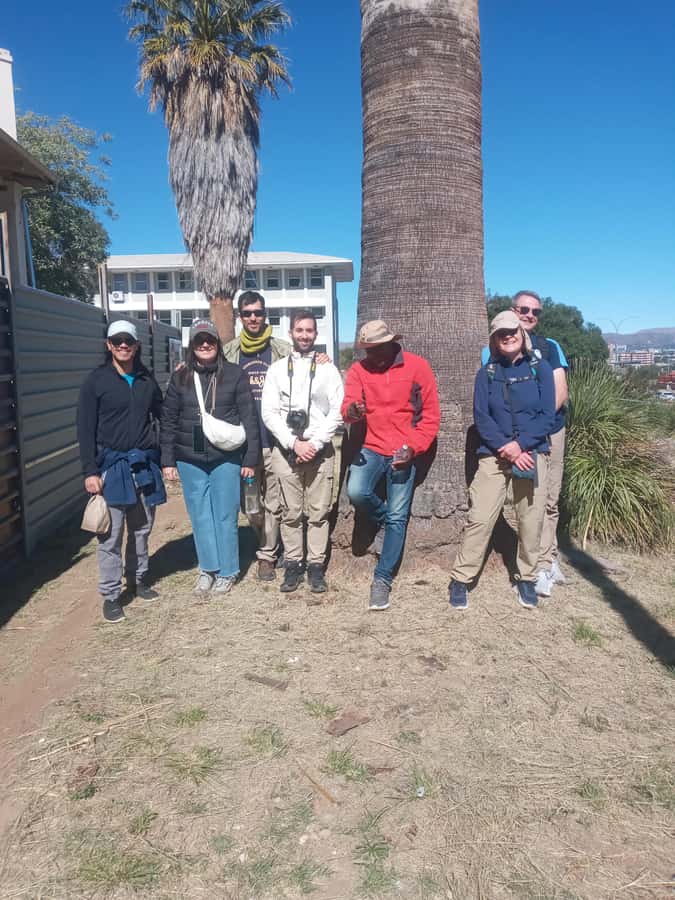
- James is a memorable guide: His clear explanations of Namibian history have been a major strength, and some tours include a visit to his home.
- Sunday is a poor day for museum entry: Christuskirche, the Independence Memorial Museum, Parliament, the crafts center, and other stops may be closed.
- The $49 price buys context as much as sightseeing: A private guide, pickup, historical explanation, and access to places difficult to understand alone make the cost reasonable if the full route operates.
- Food is part of the experience: Pepata Traditional Food Restaurant introduces local dishes, but meals and drinks are not included.
- Expect a quick pace: You will walk, ride between some areas, and see many locations. This is an introduction to Windhoek, not a slow visit to each site.
Why this Windhoek tour feels different
Windhoek can look orderly and compact at first glance. German colonial buildings, modern government offices, churches, craft shops, and informal settlements all sit within the same city, but their connections are not always obvious when you explore alone.
This tour tries to connect those pieces. You begin with formal landmarks and national history, then move toward Katutura, Okahandja Park, China Town, the Single Quarter Community Open Market, and the Old Location. That change in setting is the point. You are not simply checking off monuments. You are seeing how Namibia’s past still shapes daily life.
I especially value the private-group format. You can ask questions, request clarification, and tell the guide what interests you most. With only three hours, that flexibility matters. If you spend too long at one stop, another may receive only a quick look, so it helps to tell James or your guide what you most want to understand.
Pickup is included in Windhoek, and the group returns there. The activity is described as a walking tour, but the number of stops means you should expect movement between sites as well as walking at the individual locations.
More City Tours in Windhoek
- Windhoek: City and Township Tour
★ 4.8 · 430 reviews - Half-Day Windhoek City and Township Cultural Tour
★ 4.5 · 187 reviews - Windhoek City Tour
★ 5.0 · 113 reviews
Christuskirche and the German colonial chapter
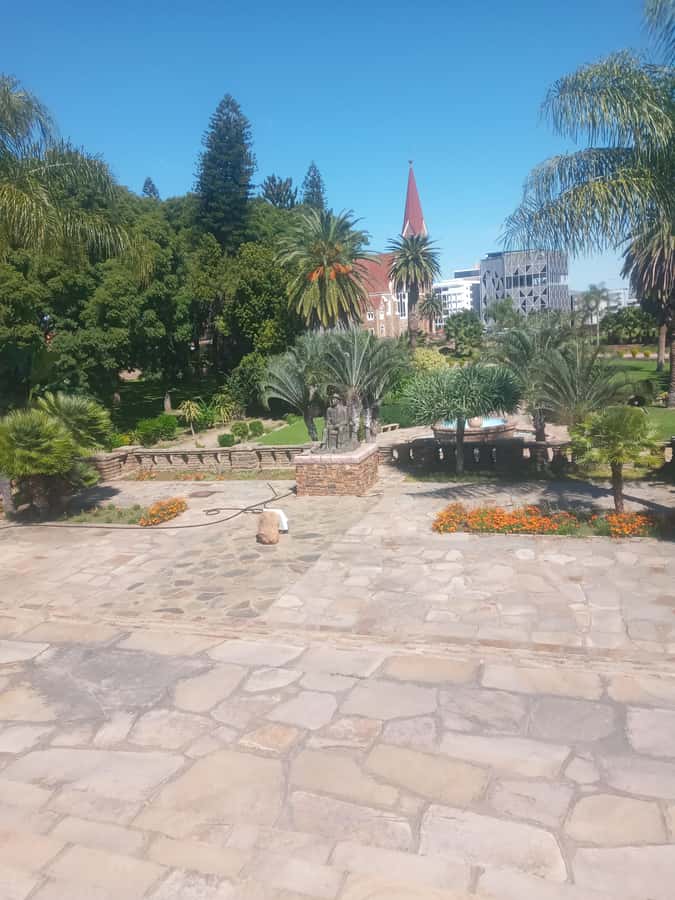
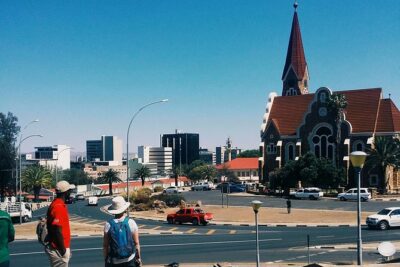
The first major stop is Christuskirche, also called the German Lutheran Church. German settlers built it between 1907 and 1910, and its presence gives you an immediate entry point into Windhoek’s colonial past.
The church is important not only for its appearance. It raises questions about who held power in the city, how German settlement changed Namibia, and how European institutions were placed at the center of urban life. A guide can give the building meaning that a quick photograph cannot.
If you visit on a Sunday, check the opening arrangements carefully. One Sunday tour was affected by closures, leaving the group to view several planned attractions from outside or skip them. That is not a small detail when museum and church entry is part of your reason for booking.
The Tintenpalast and Namibia’s government
Next comes the Parliament of the Republic of Namibia, known as the Tintenpalast. German settlers constructed the building, whose name means Ink Palace.
The stop works well after Christuskirche because it shows another side of colonial rule: administration and government. Today, the building belongs to independent Namibia, so the contrast between its origin and its present role is worth noting.
Do not expect a long parliamentary visit. The tour description promises a visit to the building, but access can depend on opening arrangements and the day of the week. On a short tour, the guide’s explanation may be more useful than a lengthy interior visit anyway. You will get the basic setting, then continue to the museums and memorials that explain what colonial rule meant for Namibians.
Independence Memorial Museum and the Genocide Memorial Monument
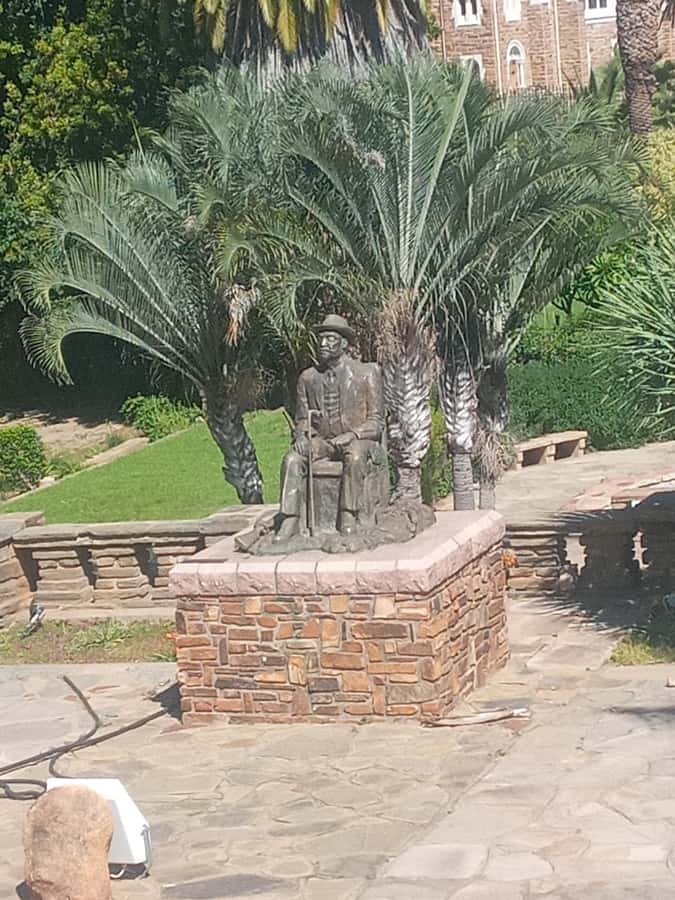
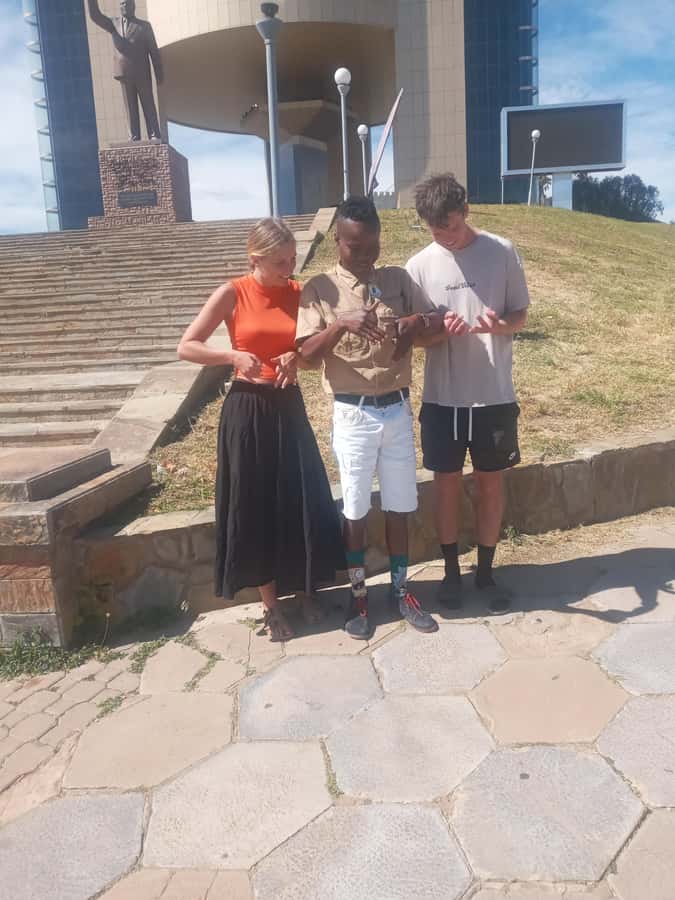
The Independence Memorial Museum was built by North Korea in 2014. Its bold design and location make it one of Windhoek’s most recognizable modern landmarks, but the subject matter is more important than the architecture. Inside, you learn about Namibia’s path through colonial rule, conflict, and independence.
I would allow your guide’s explanation to shape your visit here. Namibia’s history is not a simple story with one beginning and one ending. It includes German rule, resistance, violence, South African administration, and the long struggle for independence. A good guide helps you place each event in order.
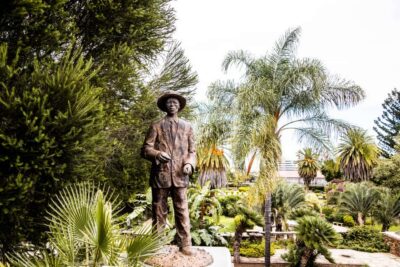
The nearby Genocide Memorial Monument commemorates the war involving the Herero and Nama people and Germany’s role in that period. This is a serious stop, and it deserves more than a quick photograph. The memorial gives you a chance to consider the scale of violence and the way Namibia remembers it today.
The subject can be difficult, but it is necessary. If you want only cheerful sightseeing, this tour may feel heavy at times. I see that as a strength, provided you are ready to listen respectfully.
More Township Tours in Windhoek
- Katutura – Classic Township Experience
★ 5.0 · 22 reviews - Katutura:tours and transport around the townships
★ 3.4 · 6 reviews - Windhoek: City & Township tour. Vehicle, guide, kapana
★ 4.2 · 4 reviews - Windhoek: Katutura Township Tour with Local Guide
★ 3.5 · 3 reviews
Windhoek Crafts Centre and local work
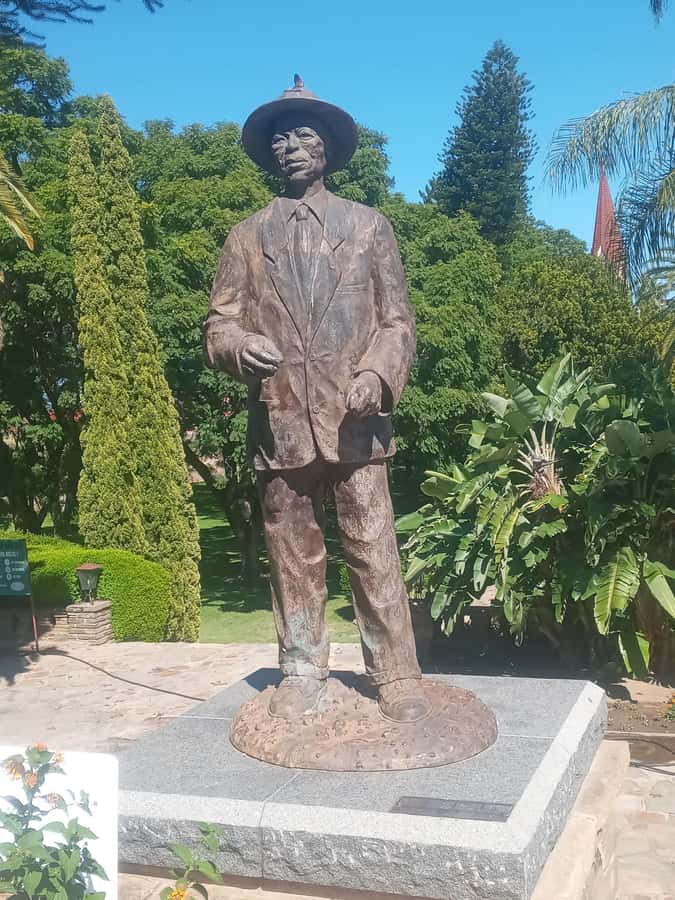
The Windhoek Crafts Centre adds a lighter but still meaningful part of the route. You can see local artisans at work and browse handmade products.
This stop gives you a chance to support local makers rather than only large commercial shops. It also provides a more direct connection to Namibia’s artistic traditions. If you want to buy something, personal expenses are your responsibility, since purchases are not included in the tour price.
The crafts center may not receive much time if the group is trying to reach every other stop. I would treat it as a focused introduction, not a long shopping session. If handmade work matters to you, tell the guide early so you can use the available time well.
Pepata Traditional Food Restaurant
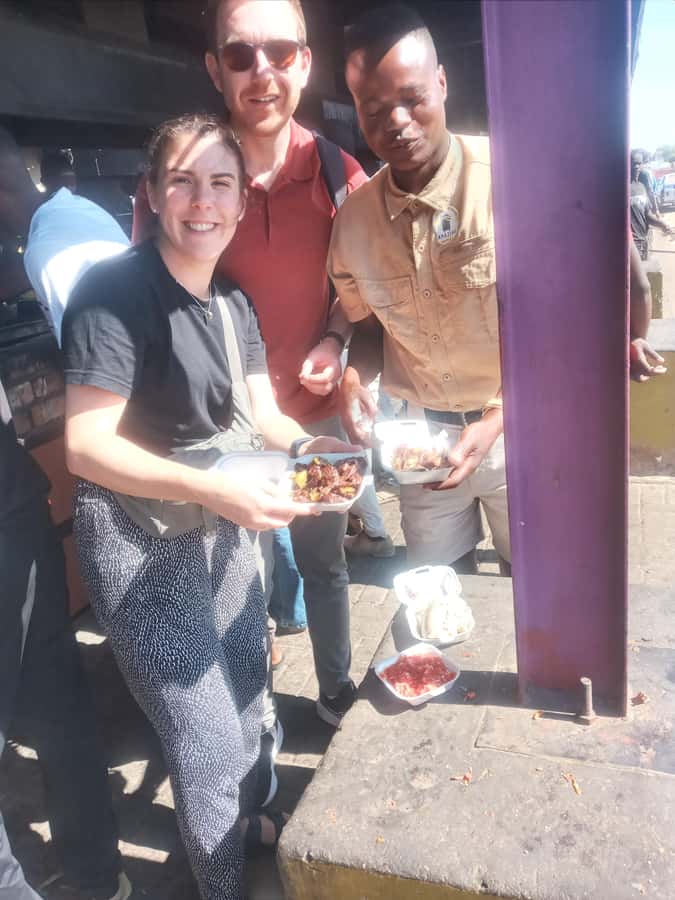
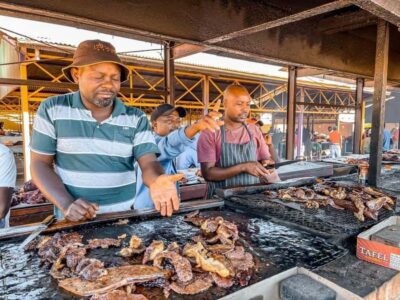
Food brings the tour down from national events to ordinary life. At Pepata Traditional Food Restaurant, you can learn about traditional dishes, including omahangu porridge.
The meal itself is not included, so you should budget separately for food and drinks. The value here comes from explanation and exposure to local eating traditions, not from a free tasting.
This is one of the places where you should keep an open mind. You may find unfamiliar flavors and textures, and the tour specifically prepares you to encounter traditional foods. If you have dietary restrictions, ask the provider before booking, since no detailed dietary information is supplied.
One Sunday booking did not include the planned restaurant stop. That makes the operating day especially important. If Pepata is a priority, confirm that it will be open and included before you pay.
Katutura, Okahandja Park, and the human side of Windhoek
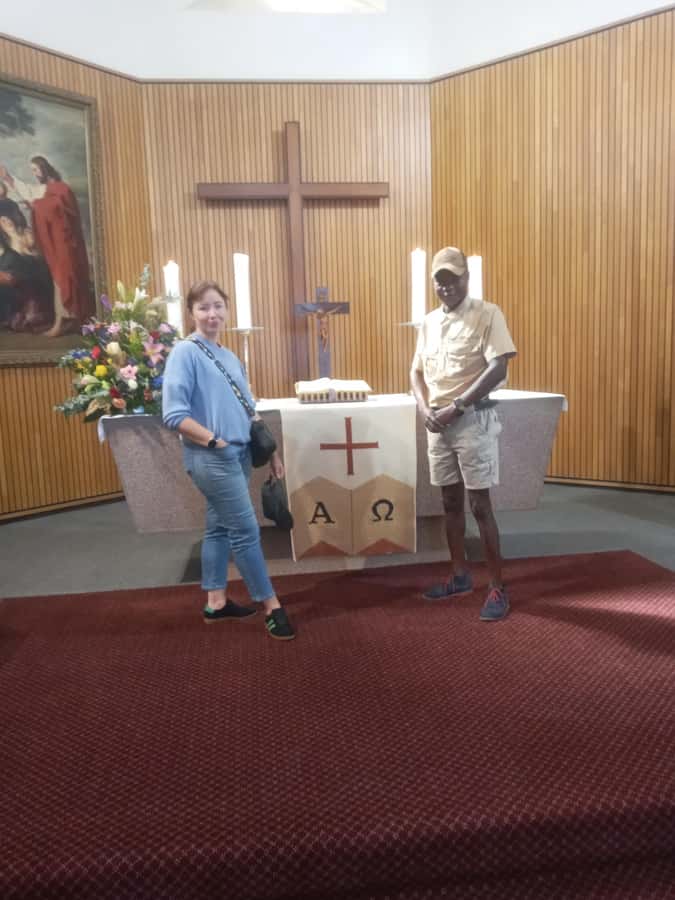
Katutura is where the tour becomes most personal. The township offers a view of community life that formal monuments cannot provide. You may see homes, local streets, and people going about their day, while the guide explains how the area fits into Windhoek’s past and present.
Several strong experiences have centered on meeting residents and seeing everyday spaces. One tour included a visit to James’s home, giving the group a rare look inside a local dwelling. That kind of welcome can be deeply moving, but it also requires cultural respect. You are entering someone’s personal space, not visiting a staged attraction.
Another stop is Okahandja Park, described as a rural settlement. Here you gain insight into how residents live under difficult conditions. The point is not to treat hardship as a spectacle. Pay attention to the guide’s context, ask before taking photographs, and remember that people are sharing their neighborhood with you.
The route then reaches the Single Quarter Community Open Market. People from different Namibian tribes sell traditional products there, creating one of the clearest encounters with the country’s cultural variety. You may see food, handmade goods, and social activity in one place.
The market can feel intense if you prefer quiet, polished sightseeing. I think that is precisely why it matters. It gives you a more direct sense of local commerce and culture than a standard city-center walk.
China Town and the Old Location
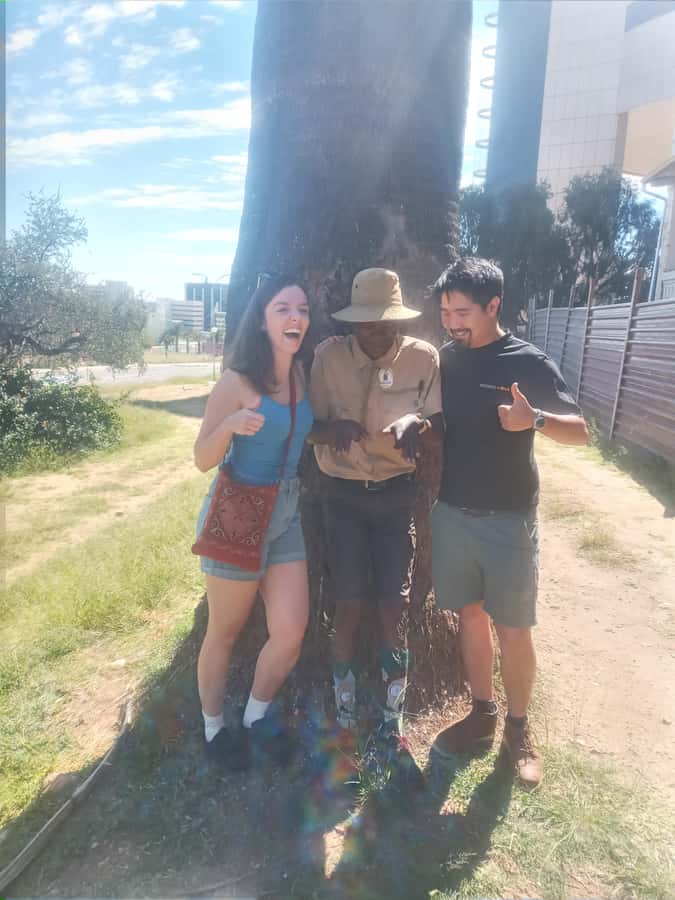
China Town shows another part of Windhoek’s urban mix, with a significant Chinese community and busy commercial activity. It may not be a classic sightseeing stop, but it helps you see that Windhoek is shaped by more than its German and Namibian past.
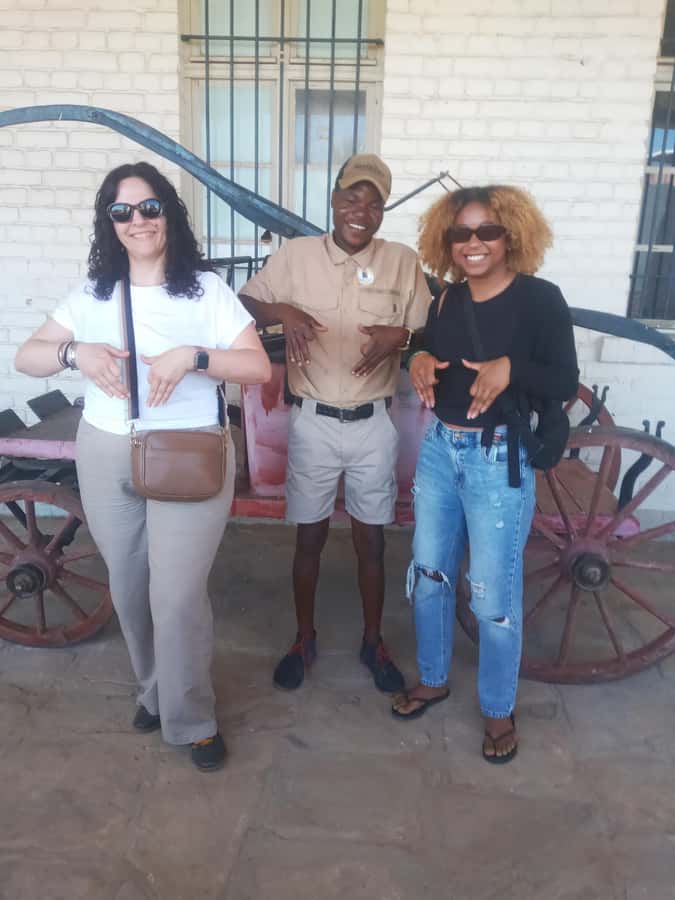
The Old Location, described as Windhoek’s first settlement, brings the route back to the city’s beginnings. Together, these stops broaden the picture. You see colonial buildings, independent Namibia’s national symbols, township life, immigrant commerce, and the city’s earliest settlement.
Because the tour covers so much, some places may be drive-through stops rather than full visits. That was particularly true on a Sunday when several sites were closed. You should think of the experience as a guided city introduction with short stops, not a museum tour with uninterrupted time indoors.
What $49 buys you
At $49 per person, the price is fair if you want a private introduction to Windhoek and Katutura. You are paying for a guide, pickup, historical explanation, and a route that brings together city landmarks and community areas that can be hard to interpret alone.
The value depends heavily on execution. If museums, the church, restaurant, and crafts center are open, the three hours contain a useful mix of history, food, shopping, and local life. If you book on a Sunday and most formal stops are closed, the same price feels much less convincing.
The tour has no included meals or drinks, and personal expenses are extra. That is easy to manage, but you should carry money for food or purchases if you plan to eat at Pepata or shop at the crafts center and market.
A private group is another advantage. You do not have to match the pace of a large bus group, and you can ask James to explain unfamiliar historical terms or social customs. For a short stay in Windhoek, that personal attention can save time.
Who will enjoy this experience most
I would recommend this tour to you if you want more than colonial architecture and central-city photographs. It suits first-time visitors who want a broad introduction, people with only a few hours in Windhoek, and anyone interested in Namibia’s political history and present-day communities.
It is also a good match if you enjoy meeting people and trying local food. The strongest parts are not polished attractions. They are the conversations, the township visit, the market, and the chance to see how different communities fit into the city.
You may want another option if you prefer a slow museum day, dislike changing plans, or need guaranteed entry to every listed site. The compact schedule cannot give every stop equal time, and Sunday closures can change the shape of the experience.
Wear comfortable shoes and clothes. Bring a camera if you want photographs, and binoculars are listed as useful equipment, though they are not essential for the main attractions. Drinks and alcohol are not allowed in the vehicle.
The activity is offered in English with a live guide. It is not suitable for people with altitude sickness, according to the supplied restrictions. Free cancellation is available up to 24 hours before the tour, and you can reserve now and pay later, which helps if your Windhoek schedule is still changing.
Should you book the Katutura and city tour?
Book it if you want Windhoek explained through both its monuments and its people. The combination of Christuskirche, the Tintenpalast, the Independence Memorial Museum, the Genocide Memorial Monument, Katutura, local food, and the Single Quarter market gives you a broad first look at Namibia’s capital.
I would book for a weekday whenever possible, especially if museum interiors, the crafts center, and the restaurant matter to you. Confirm the start time and the exact stops, then tell the guide which parts matter most.
The best version of this experience is personal, thoughtful, and eye-opening, particularly with James guiding the history and introducing you to local life. The weaker version is a rushed Sunday outing with closed doors and substitute stops. Choose the day carefully, stay respectful in community areas, and the $49 can buy a useful and memorable start to your time in Windhoek.
FAQ
How long is the Windhoek Katutura and city tour?
The tour lasts three hours and begins and ends in Windhoek.
Is pickup included?
Yes. Pickup in Windhoek is included, and you should wait at your designated pickup area.
What language is the tour offered in?
The live guided tour is offered in English.
Is this a private tour?
Yes. The activity is organized for a private group.
Are meals and drinks included?
No. Meals, drinks, and personal expenses are not included. The tour may visit Pepata Traditional Food Restaurant, where you can discover local dishes such as omahangu porridge.
What should I bring?
Bring comfortable shoes, comfortable clothing, and a camera. Binoculars are also listed as an item to bring. Drinks and alcoholic drinks are not allowed in the vehicle.
More Walking Tours in Windhoek
- Windhoek: Bushman Walk with the San
★ 4.9 · 145 reviews - Private Guided Walking Tour with the San in Windhoek
★ 5.0 · 20 reviews - Windhoek : Cheetah walk Experience
★ 4.6 · 8 reviews - Swakopmund: Township Walking Tour with Local Guide
★ 5.0 · 1 review
Just added in Windhoek
- Windhoek: Katutura Township Tour with Local Guide★ 3.5 · 3 reviews
- Windhoek: City & Township tour. Vehicle, guide, kapana★ 4.2 · 4 reviews
- Windhoek: Dustenbrook Scenic Game Drive★ 5.0 · 1 review
- Windhoek: Okapuka Game Ranch Guided Tour★ 5.0 · 2 reviews
- Windhoek : Cheetah walk Experience★ 4.6 · 8 reviews
- Windhoek City and Township Tour★ 5.0 · 1 review
- 10-Day Private Yoga Adventure in Namibia★ 5.0 · 7 reviews
- Namibia Express Safari – 6 Days★ 5.0 · 1 review
Township Tours in Windhoek, compared.
Half-Day Windhoek City and Township Cultural Tour
Read our review →

Katutura:tours and transport around the townships
Read our review →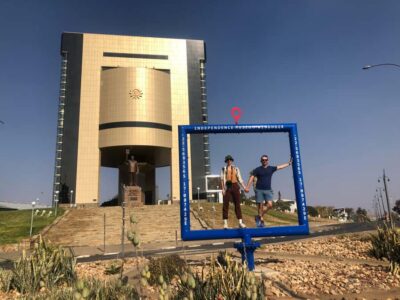
Browse the lists this tour appears in