
Reviewed · PELICAN POINT KAYAKING AND SEAL COLONY
Pelican Point Peninsula Tour
Seals, flamingos, salt, and sand share one shore. The Pelican Point Peninsula tour packs Walvis Bay’s best natural sights into three hours, moving from the lagoon to a salt refinery and then into open sand beside the Atlantic. I like the sharp contrast between thousands of waterbirds and the vast Cape Fur Seal colony, with the tour promising views of as many as 100,000 seals.
I also like the 4×4 route to the peninsula’s tip. You get more than a lookout stop: there is a shipwreck, an old jetty, a lighthouse, and a stretch where the lagoon sits on one side and the ocean on the other. The main consideration is timing. Three hours goes quickly, and the tour begins and ends at the Walvis Bay waterfront, so a Swakopmund hotel transfer costs an extra N$100 per person.
- Walvis Bay lagoon: Watch flamingoes, pelicans, and avocets at one of southern Africa’s key coastal lagoons.
- African salt production: Learn how the nearby salt refinery uses solar power to produce salt.
- Deep sand driving: Ride by 4×4 across loose sand on the way to Pelican Point.
- Wildlife at the peninsula tip: See a huge Cape Fur Seal colony, along with seabirds and Atlantic views.
- Historic coastal remains: Pause at a shipwreck, an old jetty, and the Pelican Point lighthouse.
- Responsive guiding: Guide Monika praised the open, accessible approach and willingness to answer questions and requests.
In This Review
- Starting at the Walvis Bay Waterfront
- Flamingoes Along the Walvis Bay Lagoon
- Seeing How Walvis Bay Makes Salt
- Leaving the Road for Loose Sand
- The Lighthouse and the Peninsula’s Narrow End
- Watching the Cape Fur Seal Colony
- Refreshments, Sun, and What to Bring
- What $130 Buys You
- Who Will Get the Most From This Tour
- Booking Flexibility and Practical Timing
- Should You Book the Pelican Point Peninsula Tour?
- FAQ
- How long is the Pelican Point Peninsula Tour?
- Where does the tour begin and end?
- Is hotel pickup from Swakopmund included?
- What is included in the tour price?
- Which languages are available?
- What should I bring?
- Can I cancel or pay later?
Starting at the Walvis Bay Waterfront

The tour begins with a short briefing at the Walvis Bay waterfront. This is a useful start because the day combines ordinary sightseeing, wildlife viewing, and off-road travel. You will want to listen closely to the practical instructions before the vehicle heads out toward the lagoon.
The tour is conducted in English or Afrikaans. That makes it a straightforward choice for English-speaking visitors, and the guide’s attitude matters here. Monika received especially strong praise for being open, accessible, and responsive to questions and requests. That is exactly the right quality for a short tour with several different stops.
The meeting point also affects your planning. If you are staying in Walvis Bay, the waterfront departure is simple. If you are based in Swakopmund, hotel pickup and drop-off are not included in the $130 price. The transfer costs an additional N$100 per person, so check the total cost before booking.
Flamingoes Along the Walvis Bay Lagoon
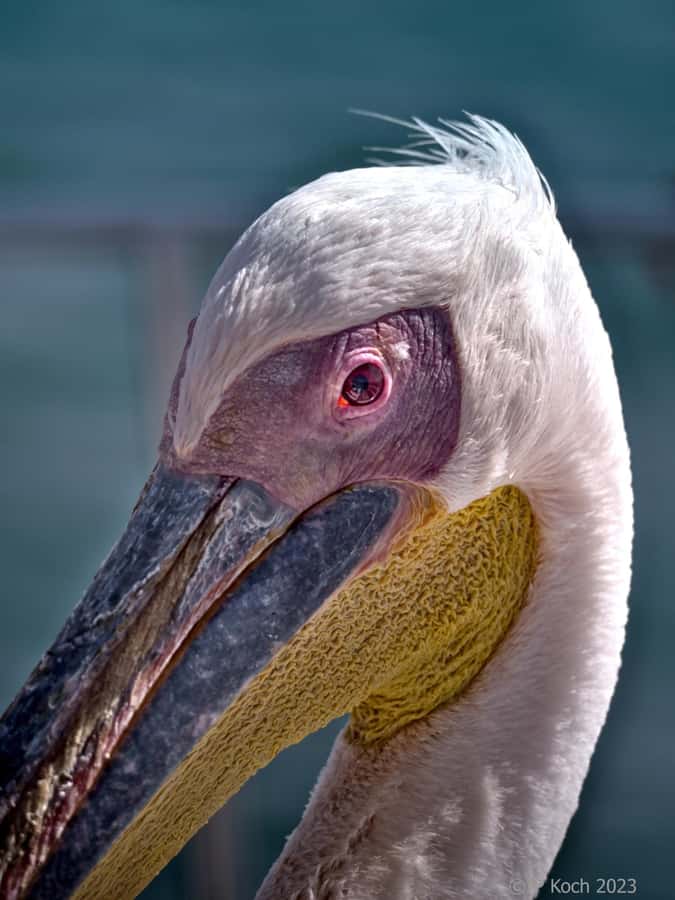
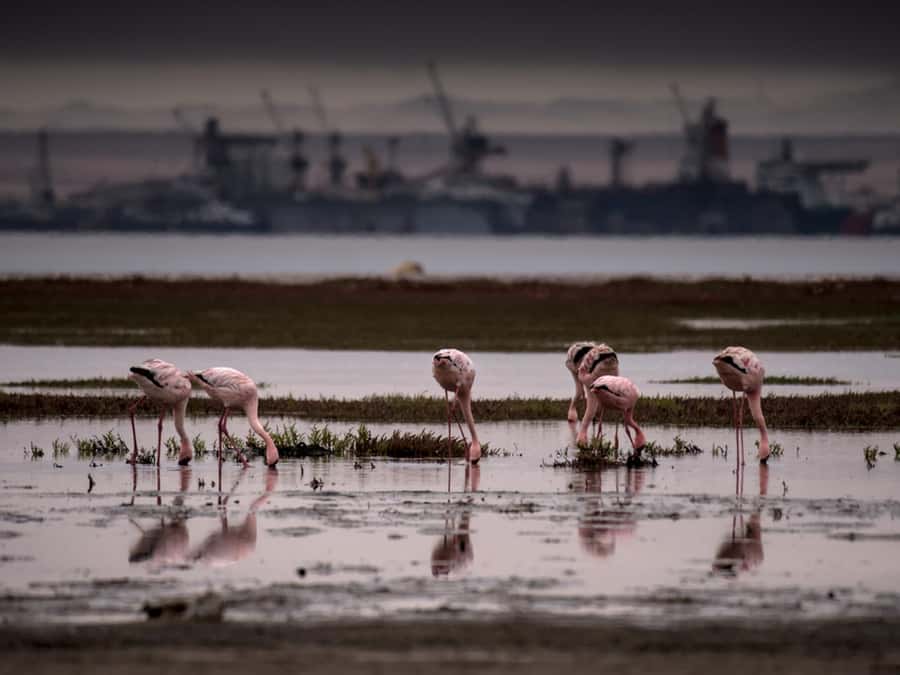
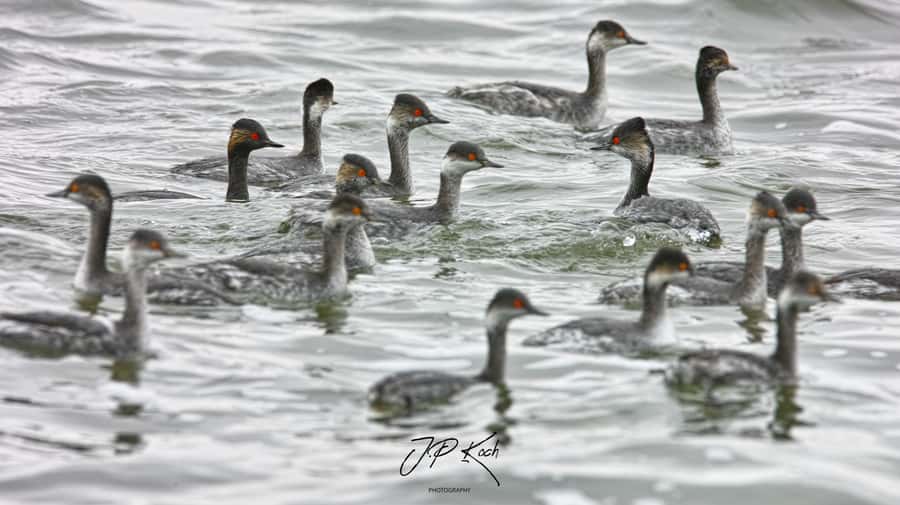
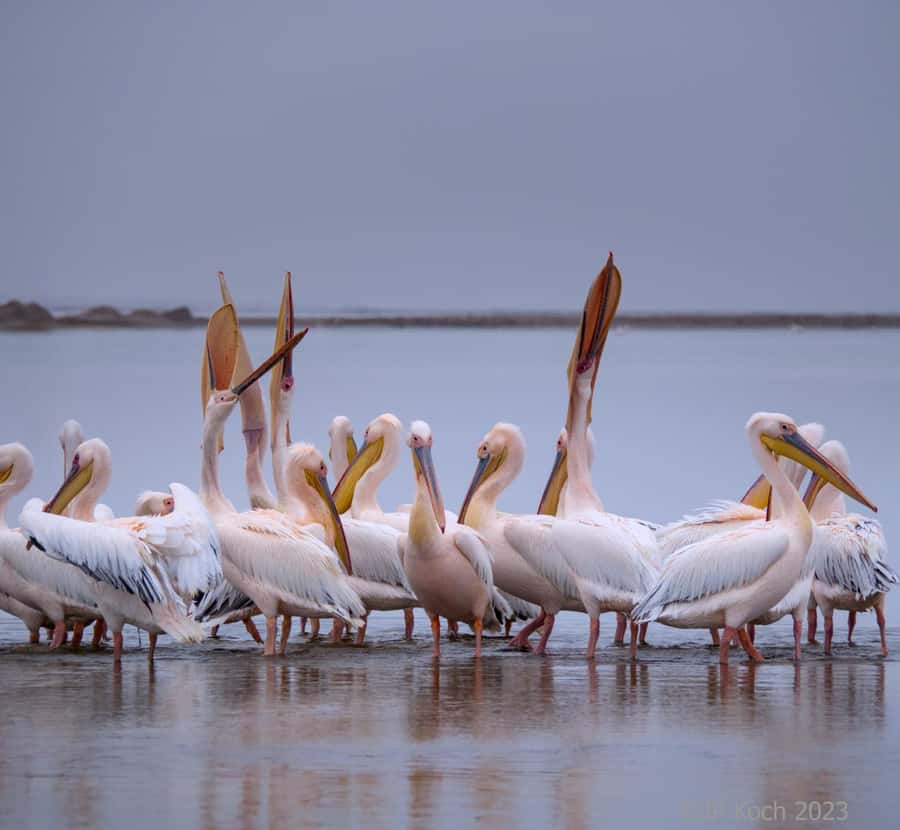
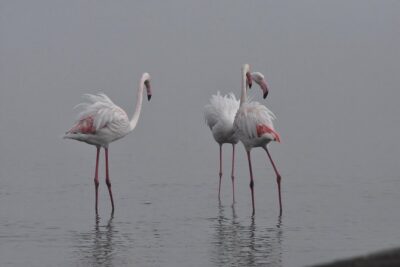
The lagoon is the first major stop, and it gives you an immediate sense of why this part of Namibia matters to birdlife. Walvis Bay is considered one of the most important lagoons in southern Africa. Its shallow waters attract hundreds of flamingoes, pelicans, and avocets.
You will stop for photographs and an explanation of the lagoon. This is more useful than simply driving past a large stretch of water. The guide can help you understand what you are seeing, and you have a chance to look for different species rather than treating the birds as one distant mass.
The flamingoes are the visual stars, but the mix is what makes the stop worthwhile. Pelicans bring a different shape and scale, while avocets add a finer detail to the water’s edge. Bring your camera, but remember that bird viewing can depend on distance and conditions. A camera with some zoom may be useful, though no special equipment is listed as required.
The lagoon stop also sets up the rest of the trip. You begin with a calm, open coastal setting before moving into industrial salt production and then the rougher sand of the peninsula. For me, that change of pace is one of the tour’s best features.
More kayaking and seal trips in Swakopmund:
- Sandwich Harbour Adventure: Seals and Sandwich harbour dune drive
★ 5.0 · 165 reviews - Kayaking and Sandwich Harbour Combo Tour
★ 5.0 · 20 reviews - Skeleton Coast Cape Cross Seal colony Tour
★ 4.0 · 11 reviews
Seeing How Walvis Bay Makes Salt
Next comes the Walvis Bay salt refinery, described as the largest solar production plant in Africa. Here you hear about the salt-making process before continuing toward Pelican Point.
This stop adds a practical side to the tour. You are not only looking at birds and beaches. You are also seeing how the region uses its strong sun and broad coastal spaces for commercial production. The solar method connects directly to the climate you feel outside: bright, dry, and exposed.
The refinery may appeal most to you if you enjoy seeing how a place works, not just how it looks. It is also a good contrast with the lagoon. One is a habitat shaped by natural water and birdlife. The other is a working industrial site built around salt production.
The information provided does not give a separate visit length or promise access inside the facility. Expect an explanation and viewing stop rather than a long factory tour. That keeps the trip moving, but it also means the salt works is one part of a wider route, not the day’s main event.
Leaving the Road for Loose Sand
After the refinery, the tour changes character. You head out in a 4×4 across deep, loose sand toward the peninsula. This is the part that makes the outing feel like more than a standard coastal drive.
Off-road travel can be fun, but it is also worth knowing what you are choosing. The ride may be bumpy, and the sand is specifically described as deep and loose. If you prefer smooth roads and quiet transport, this section may not be your favorite. If you like seeing remote coastal places by vehicle, it is a strong reason to book.
The 4×4 route also gives the guide a chance to point out features that would be missed on a quick drive. You pass a shipwreck and the remains of an old jetty, both reminders that this coast has seen more than wildlife and modern industry.
The supplied details do not name the ship or explain its full story, so you should not expect an extended maritime history lesson. Still, the remains make good photo stops and add texture to the journey. Against the sand, water, and open sky, even a partial wreck can say a great deal about the hard conditions along this coast.
The Lighthouse and the Peninsula’s Narrow End
As you approach the lighthouse, the guide shares historical information about the landmark. This is a useful point in the route because the lighthouse gives you a fixed reference in an otherwise wide and open setting.
The tour then reaches the very tip of Pelican Point Peninsula. Here the geography becomes especially clear: the Walvis Bay lagoon is on one side, and the Atlantic Ocean is on the other. You are not simply looking at two bodies of water from a distance. You are positioned between them at the end of the peninsula.
That setting is the visual high point of the outing. It also explains why the route needs an off-road vehicle. The peninsula’s tip is not presented as a regular urban attraction with a long list of facilities. Its value comes from the setting, the wildlife, and the feeling of reaching the end of the coastal strip.
This is a good place to slow down. The tour schedule allows a break for refreshments and some free time, so you are not expected to stay in the vehicle every minute. Use that pause for photographs, seal watching, and a moment to take in the difference between the sheltered lagoon and the open Atlantic.
More things to do in Swakopmund:
- Walvis Bay: Marine Big 5 Luxury Catamaran Tour
★ 4.8 · 1,012 reviews - Swakopmund: Desert Dunes Quad Biking with Optional Sandboard
★ 4.9 · 590 reviews - Walvis Bay and Sandwich Harbour Tour
★ 4.8 · 483 reviews - Scenic Sandwich Harbour Tour
★ 5.0 · 277 reviews
Watching the Cape Fur Seal Colony
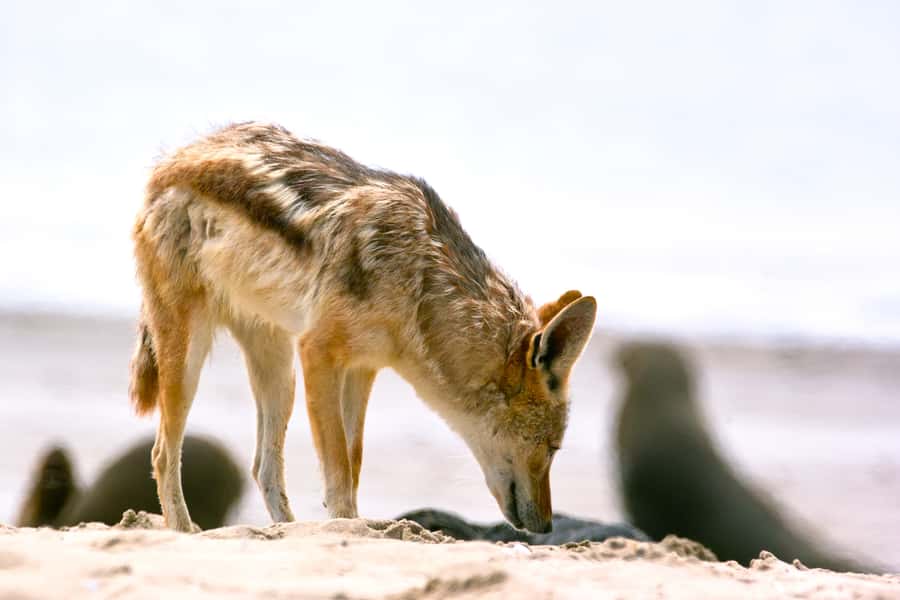
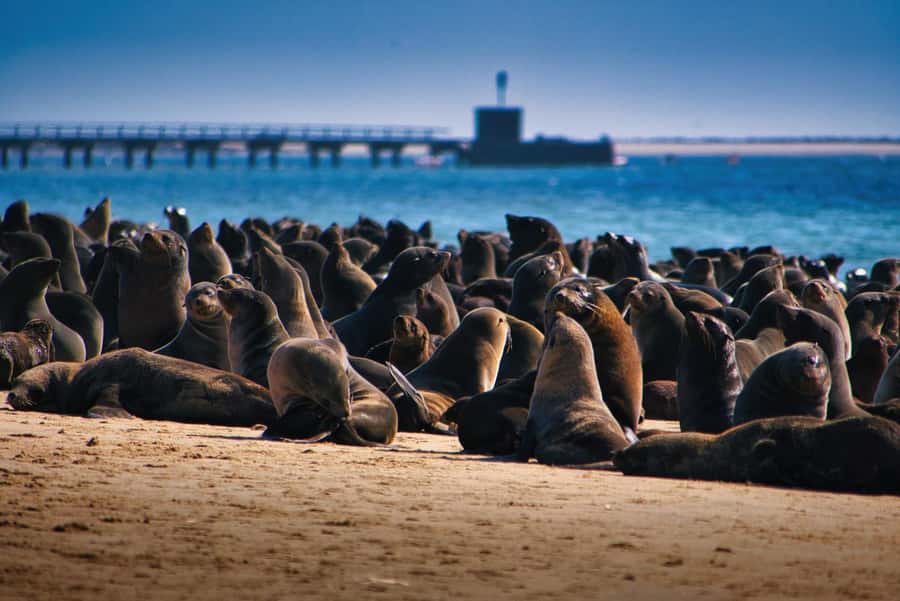
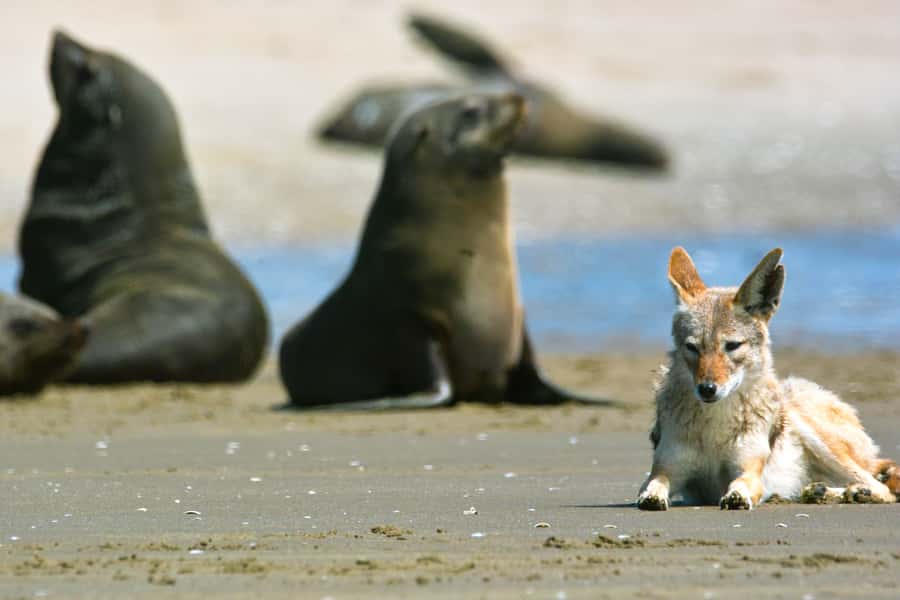
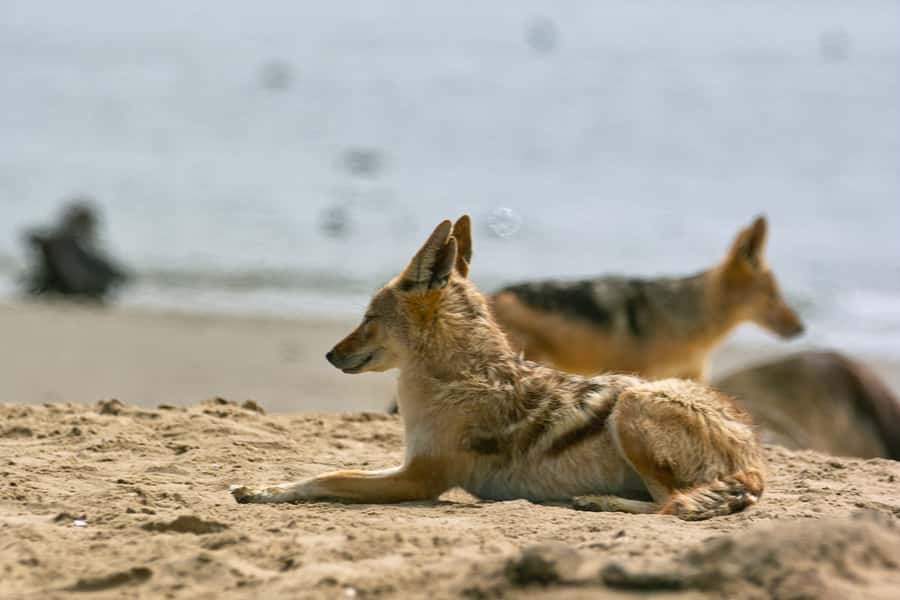
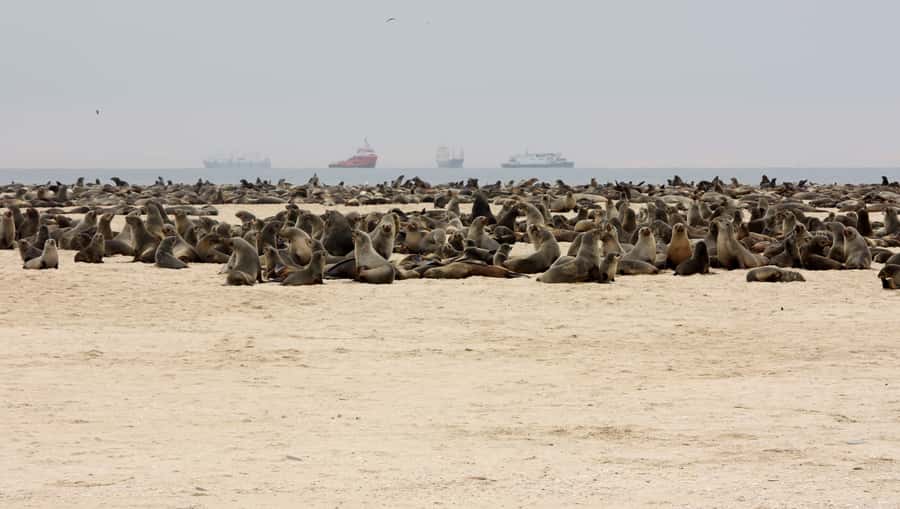
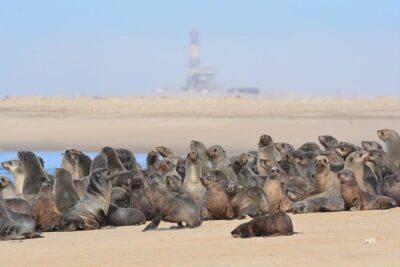
The peninsula is home to a Cape Fur Seal colony described as numbering 100,000 animals. That figure gives you an idea of the scale, but the exact number you see on a particular day may vary. The important point is that this is a major colony, not a few isolated seals placed for a quick photograph.
You should expect noise, movement, and a strong animal presence. The seals may be gathered on the shore or spread along the coast, and the birds share this same area. The combination makes Pelican Point more interesting than a single-species stop.
The free time here is valuable. A guide can point out the colony and explain what you are seeing, but you also get room to watch at your own pace. That is especially helpful for photography, since wildlife does not follow a fixed schedule.
The tour information does not promise close contact or feeding, and it should not be treated as an animal encounter. You are there to observe the colony from the peninsula, with the Atlantic nearby and seabirds moving around the shore. Bring your camera, but keep your expectations focused on viewing rather than interaction.
Refreshments, Sun, and What to Bring
Refreshments are included, which is welcome on a three-hour trip in an exposed coastal setting. The tour does not list a meal, so plan to eat before or after the outing if you need something substantial.
Comfort matters more than style here. Wear comfortable shoes because the route includes stops around sand, shoreline, and historic remains. Sunglasses and a sun hat are also listed essentials. The bright coastal conditions can make the day feel intense even when temperatures are not extremely high.
I would keep your packing simple:
- Comfortable shoes
- Sunglasses
- Sun hat
- Camera
The information does not specify whether sunscreen or extra water is supplied, so bring any personal sun protection you normally need. Do not count on the sea air to make the sun harmless. You will spend time outdoors, and the tour’s most memorable stops are all exposed.
What $130 Buys You
At $130 per person, the tour is not the cheapest way to see one attraction. Its value comes from the number of settings covered in a short time: the lagoon, the salt refinery, the sand route, the shipwreck, the old jetty, the lighthouse, and the seal colony.
Permits and refreshments are included. That matters because Pelican Point is not presented as a simple public roadside stop. The permit coverage helps make the price easier to understand, while the guide’s explanations give the route more meaning than a self-guided drive.
The strongest value is time. In three hours, you can see the main coastal highlights without arranging separate transport, researching access, or finding your own way across loose sand. If you have only a short stay in Walvis Bay, that compact route may justify the cost.
The value is less clear if you already have a suitable 4×4, plenty of time, and a way to arrange the peninsula independently. You would then need to compare the tour price with your own transport and permit costs. You would also give up the convenience of a guide who explains the lagoon, salt production, lighthouse, and wildlife in one outing.
For a Swakopmund stay, add the N$100 per person transfer fee to your calculation. The extra charge is modest, but it makes the tour less convenient than it first appears if your base is outside Walvis Bay.
Who Will Get the Most From This Tour
I would recommend this outing to you if you want several kinds of scenery in one morning or afternoon. Birdwatchers, wildlife photographers, first-time visitors to Walvis Bay, and anyone curious about local industry should find something worthwhile here.
It also suits you if you like a little roughness in your sightseeing. The 4×4 section and loose sand are part of the appeal, not an accidental inconvenience. The route has enough structure to feel organized, but it still reaches a coastal area where the main attractions are animals, sea, sand, and old remains.
Families may appreciate the variety, though the provided information does not specify a minimum age, child price, or child seating arrangement. Ask the operator directly if those details matter for your group.
This is less suitable if you want a long, quiet birding session at one site. The tour has several stops and a fixed three-hour duration, so the lagoon and seals share time with the refinery and historical points. It is also not the right choice if you dislike off-road driving or prefer a highly sheltered outing.
Booking Flexibility and Practical Timing
You can reserve a place and pay later, which helps if your Namibia plans are still shifting. Cancellation is allowed up to 24 hours in advance for a full refund, giving you some protection if your schedule changes.
The tour ends back at the Walvis Bay waterfront. That makes it easy to continue exploring from town, but you should leave room in your plans for the full three hours and any connection back to Swakopmund if you are using the paid transfer.
Because the tour is compact, punctuality matters. A late arrival could cut into your lagoon stop, free time with the seals, or the return transfer. Have your comfortable shoes, hat, sunglasses, and camera ready before the briefing.
Should You Book the Pelican Point Peninsula Tour?
Book it if you want an efficient, varied introduction to Walvis Bay’s coast. The strongest reasons are the huge Cape Fur Seal colony, the bird-filled lagoon, and the 4×4 run across loose sand to a peninsula tip framed by lagoon and Atlantic.
I also place real weight on the guide service. Monika’s open, accessible approach and willingness to answer questions earned a full ten out of ten assessment, and that is important on a short route packed with different subjects. A good guide helps turn a series of stops into a connected picture of Walvis Bay.
Skip it if you want a single-site wildlife session, dislike rough driving, or already have an easy and permitted way to reach Pelican Point. For most visitors without their own off-road arrangements, though, the $130 price is reasonable for the access, transport, permits, refreshments, and range of sights packed into three hours.
FAQ
How long is the Pelican Point Peninsula Tour?
The tour lasts three hours.
Where does the tour begin and end?
It begins at the Walvis Bay waterfront and ends there after the return transfer.
Is hotel pickup from Swakopmund included?
No. Hotel pickup and drop-off in Swakopmund cost an additional N$100 per person.
What is included in the tour price?
Permits and refreshments are included.
Which languages are available?
The tour is offered in English and Afrikaans.
What should I bring?
Bring comfortable shoes, sunglasses, a sun hat, and a camera.
Can I cancel or pay later?
You can reserve your place and pay later. Cancellation up to 24 hours before the tour qualifies for a full refund.
Just added in Swakopmund
- Windhoek: Township Tour amongst the locals★ 4.0 · 1 review
- Walvis Bay Shore Excursion: Flamingos, Dune 7, Swakopmund★ 5.0 · 3 reviews
- Unforgettable Half Day Adventure, Explore Sandwich Harbour★ 5.0 · 3 reviews
- Swakopmund Explorer Township Tour in Mondesa with Nande the Township Local Guide★ 5.0 · 4 reviews
- Swakopmund Township Home Cooking Experience★ 5.0 · 1 review
- Walvisbay Dune 7 and Swakopmund Town Half Day Guided Tour★ 4.0 · 4 reviews
- Spitzkoppe – Day Tour to the Spitzkoppe Mountain from Swakopmund★ 5.0 · 3 reviews
- Sandwich Harbour 4×4 Guided Tour – Unforgettable Adventure★ 5.0 · 7 reviews
Pelican Point Kayaking and Seal Colony, compared.
Sandwich Harbour Adventure: Seals and Sandwich harbour dune drive
Read our review →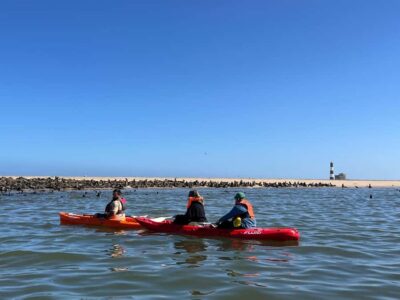
Half Day Original Seal Kayak Adventure, Pelican Point, Walvis Bay
Read our review →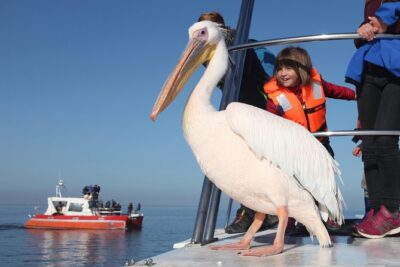
Mola Mola Marine Dolphin Cruise from the Walvis Bay Waterfront to Pelican Point
Read our review →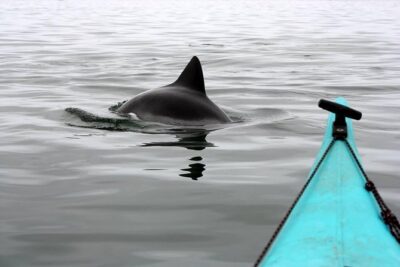
Kayaking and Sandwich Habour Guided Day Tour from Walvis Bay
Read our review →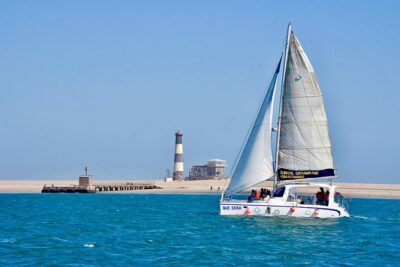
Browse the lists this tour appears in