
Reviewed · GUIDED
12 Days Guided Namibia In Plus | Guided Lodge
Namibia rewards long drives. This 12-day route links Etosha wildlife with the red dunes, Atlantic coast, desert horses, and southern canyon country, giving you a broad look at Namibia rather than a quick capital-and-safari visit. I especially like the chance to see lions, elephants, rhinos, and other animals in Etosha, and the way the trip adds real cultural and historic stops such as an Otjikandero Himba village and Kolmanskop. The main drawback is the pace: you cover a huge country, so several days include long road sections and limited time at each stop.
This is a small-group guided lodge tour for up to 13 people, with pickup offered and an air-conditioned vehicle provided. At $5,849.17 per person, it is a serious investment, but the price includes fuel, parking, facility fees, 10 breakfasts, 10 dinners, and two lunches. You should still check exactly what lodging and other meals are covered before paying, since those details are not fully spelled out.
In This Review
- Five things to know before booking
- Why this route works for a first Namibia trip
- Day 1: Okahandja woodcarvings and an easy start
- Days 2 and 3: Etosha Pan and serious wildlife time
- Day 4: Himba traditions and ancient rock art
- Day 5: Brandberg and a taste of Swakopmund
- Day 6: Walvis Bay seals, seabirds, and Dune 7
- Day 7: Kuiseb Pass, Gaub Pass, and the Tropic of Capricorn
- Day 8: Sesriem Canyon and the red dunes of Sossusvlei
- Day 9: The wild horses near Aus
- Days 10 and 11: Fish River Canyon and Kolmanskop
- Day 12: Namibia Craft Centre and Windhoek
- What the $5,849 price gets you
- Who will enjoy this tour most
- FAQ
- How long is the Namibia In Plus tour?
- What time does the tour start?
- How many people can join the tour?
- Is pickup available?
- What meals are included?
- Is Etosha National Park admission included?
- Can I cancel for a full refund?
- Should you book it?
Five things to know before booking
- Etosha gets two substantial days: You have time for the pan, wildlife areas, and the famous Okaukuejo waterhole.
- The route crosses nearly all of Namibia: You travel from Windhoek north to Etosha, across the Atlantic coast, and down toward the Fish River Canyon.
- Culture is part of the trip: The Himba village visit and Okahandja woodcarver market add more than scenery.
- The desert changes constantly: Expect salt flats, red dunes, rocky passes, dry plains, and the ocean in one long journey.
- The group is capped at 13: That is small enough to feel more personal than a large coach trip, though the long drives still require patience.
Why this route works for a first Namibia trip
Namibia is not a compact country dressed up as a safari park. Distances are large, settlements are few, and the best sights are spread far apart. This tour makes that geography part of the experience by moving from northern wildlife country to the central coast and then into the remote south.
I like the overall shape of the route. Etosha comes early, when you are still fresh and eager for animals. The middle section shifts to Himba culture, ancient rock carvings, mountains, and the Atlantic. The final stretch brings the stark beauty of the Namib Desert, the wild horses near Aus, Fish River Canyon, and the abandoned diamond town of Kolmanskop.
The trade-off is clear. You will see a great deal, but you will not linger everywhere. A 12-day trip of this size is more of a grand survey than a slow, specialist safari. If you want long hours at one waterhole or several relaxed days at a lodge, this route may feel rushed.
More things to do in Windhoek:
- Windhoek: City and Township Tour
★ 4.8 · 430 reviews - Half-Day Windhoek City and Township Cultural Tour
★ 4.5 · 187 reviews - Windhoek: Bushman Walk with the San
★ 4.9 · 145 reviews
Day 1: Okahandja woodcarvings and an easy start
The opening stop at Okahandja Mbangura Woodcarvers Craft Market gives you a gentle introduction to Namibia. You have about an hour to browse handmade wood carvings, pottery, jewelry, and textiles, with food vendors adding a local taste to the stop.
This is a useful place to buy souvenirs early, especially if you want a carved animal or traditional craft without carrying shopping bags through the whole trip. Take your time comparing pieces and asking about prices. The market is free to enter, but remember that purchases are your own expense.
The one-hour visit will not satisfy anyone wanting a long cultural program, but it breaks up the first road section and puts local artisanship on the schedule from the start.
Days 2 and 3: Etosha Pan and serious wildlife time
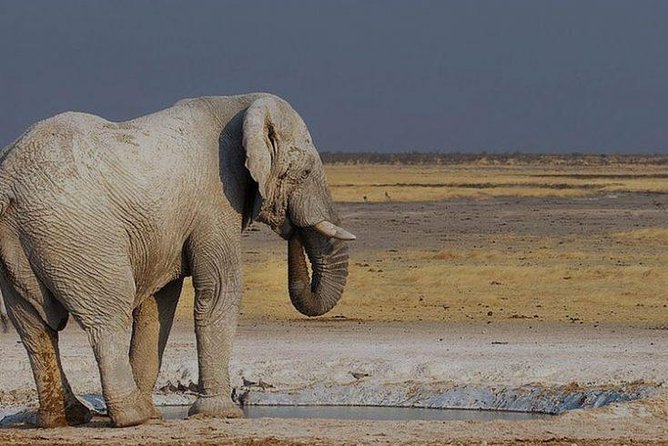
Etosha is the heart of the northern portion of the trip. The park covers roughly 22,000 square kilometers, with the Etosha Pan taking up a large part of its interior. The pan itself is a striking salt flat, white and wide in the dry season, and a shallow lake during rainy periods.
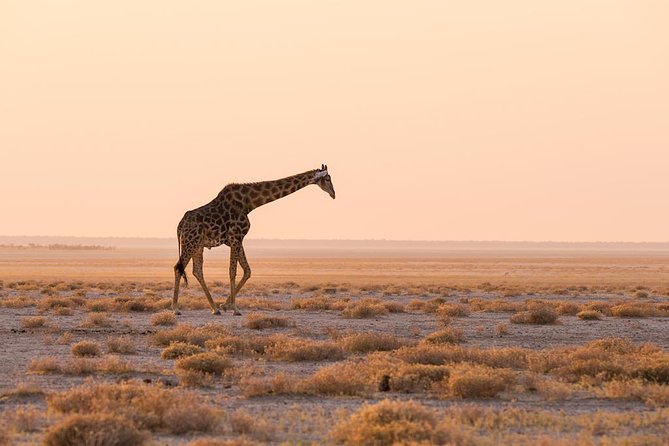
The tour gives you around five hours at the pan on Day 2, followed by about six hours in Etosha on Day 3. That two-day structure is one of the strongest parts of the trip. Wildlife sightings are never guaranteed, so extra time matters. You might see elephants, lions, giraffes, zebras, springboks, hyenas, cheetahs, leopards, or black rhinos.
The park is also a fine place for bird watching, with more than 340 recorded species. During wetter months, the pan can attract flamingos and other water birds. In dry conditions, animals gather at reliable water sources, which can make patient watching especially rewarding.
You spend two hours at Okaukuejo Waterhole on Day 3. This is a useful addition because the waterhole is known for attracting animals at night, including elephants, lions, and rhinos. The raised viewing area near Okaukuejo Rest Camp makes it possible to watch without walking through the bush.
There is one cost detail to note: admission to Etosha is included, but the Okaukuejo Waterhole entry is listed separately as not included. Ask the operator how that fee will be handled so there are no surprises.
The strongest praise for this experience centers on the wildlife range. The five-star feedback specifically highlights sightings of lions, leopards, cheetahs, elephants, hyenas, and springboks. That is an impressive list, though you should treat it as a happy possibility, not a promise.
Day 4: Himba traditions and ancient rock art
Day 4 shifts from animals to people and archaeology. At Otjikandero Himba Orphan Village, you have about four hours to learn about Himba customs and daily life. The Himba are known for their distinctive red ochre and fat mixture, called otjize, used on the skin and hair.
You may see traditional huts made from mud, dung, and wood, along with customs such as the Eiseb dance and the Otjize hairstyle. A visit like this has value because it provides cultural context that a game drive cannot. It also deserves a respectful approach. Listen carefully, follow local instructions, and remember that the people you meet are not a staged backdrop for photographs.
The afternoon moves to Twyfelfontein, a UNESCO World Heritage Site with more than 2,500 ancient rock engravings. Some date back more than 6,000 years and show giraffes, elephants, rhinoceroses, and human figures.
You have about three hours here. Wear practical shoes, since rock art sites often involve uneven ground, although the supplied information does not specify the walking conditions. Twyfelfontein pairs well with the Himba visit: one stop connects you with living tradition, and the other with a very distant past.
A few more options to weigh up in Windhoek
- 10-Day Namibia Highlights Guided Tour from Windhoek
★ 5.0 · 78 reviews - Namibia Self-Driving Audio Guide (in English & German)
★ 4.7 · 57 reviews - Private Guided Walking Tour with the San in Windhoek
★ 5.0 · 20 reviews - 3 Days Amazing Red Dunes of Sossusvlei | Private Guided Tour
★ 5.0 · 10 reviews
Day 5: Brandberg and a taste of Swakopmund
Brandberg Mountain reaches 2,606 meters, making it Namibia’s highest mountain. The Dâures, or Burnt Mountains, are known for their dramatic rock formations and ancient art, including the White Lady painting, estimated to be more than 2,000 years old.
Four hours here gives you room for more than a roadside photograph. The area may also offer glimpses of klipspringers, baboons, and leopards, though wildlife sightings are not assured. If the White Lady is a priority, confirm with your guide how much walking and access time is planned.
Later, you visit Swakopmund Jetty and spend about three hours in town. Swakopmund adds a very different mood to the trip, with the Atlantic nearby and a former colonial character that contrasts sharply with the desert interior. The schedule calls this a visit to Swakopmund, so think of it as a short town orientation rather than a full free day.
Day 6: Walvis Bay seals, seabirds, and Dune 7
Walvis Bay brings you to the coast for a three-hour boat trip on the Atlantic Ocean. Keep your eyes open for seals, dolphins, pelicans, cormorants, and possibly the unusual ocean sunfish, or Mola-Mola.
This is one of the route’s welcome changes of pace. After several days of road travel and dry interior scenery, the sea gives you moving wildlife and open water. The boat trip is included, along with landing and facility fees.
The second stop is Dune 7, a huge sand dune near Walvis Bay, reported at around 383 meters high. You can climb it for wide views across the Namib Desert and toward the ocean. Two hours is enough for an attempt, but climbing soft sand is hard work. Bring water, protect yourself from the sun, and do not assume you need to reach the top for the stop to be worthwhile.
Dune 7 admission is not included, so budget for that separately. If you prefer photography to exertion, the dune can still make an excellent viewpoint from lower down.
Day 7: Kuiseb Pass, Gaub Pass, and the Tropic of Capricorn
Day 7 is a road-focused desert day, with stops at Kuiseb Pass, Gaub Pass, and the Tropic of Capricorn. You have about three hours assigned to the Namib Desert route.
These passes help you understand how quickly Namibia changes. The road itself becomes part of the sightseeing, with dry mountain country, open desert, and long views. The Tropic of Capricorn also gives you one of those simple travel markers that makes a memorable photo stop.
This is likely one of the more demanding days because the tour must cover substantial distance. Keep snacks and water close, even though meals are included on much of the trip. An air-conditioned vehicle matters here, especially under strong desert sun.
Day 8: Sesriem Canyon and the red dunes of Sossusvlei
The Sossusvlei region is one of Namibia’s signature sights. Its salt and clay pans sit among towering red dunes, including Dune 45 and Big Daddy. The name Sossusvlei refers to a dead-end marsh linked to the Tsauchab River, though water reaches the pan only under particular conditions.
The schedule gives you about five hours at Sesriem Canyon and the Sossusvlei area. That is enough to appreciate the major formations, but you will need to manage your time if climbing a dune is part of your plan. Dune 45 is famous for its shape and accessibility, while Big Daddy offers a bigger physical challenge.
The dunes shift with the wind, so the view is never quite fixed. That is part of the appeal. Early light and late light can change the color and shadows dramatically, but the supplied schedule does not state the exact departure hour. Ask before the trip if sunrise timing matters to you.
This section is a strong reason to choose the tour, but it is also a reminder that Namibia asks something from your body. Walking on sand, standing in heat, and getting in and out of the vehicle repeatedly can be tiring.
Day 9: The wild horses near Aus
The Wild Horses of Aus are feral horses living in one of the harshest parts of Namibia. Their story is linked to horses released by German cavalry officers during World War I, and the herd is estimated at about 150 animals.
You have three hours to look for them. Sightings depend on where the herd is and how the animals are moving, so patience is important. These are not animals in a fenced enclosure or a guaranteed waterhole setting.
The horses survive by using desert plants and water associated with desert fogs. That detail makes the stop more than a quick animal count. You are seeing an unusual example of adaptation in a dry place, though the experience may feel quiet compared with Etosha.
Days 10 and 11: Fish River Canyon and Kolmanskop
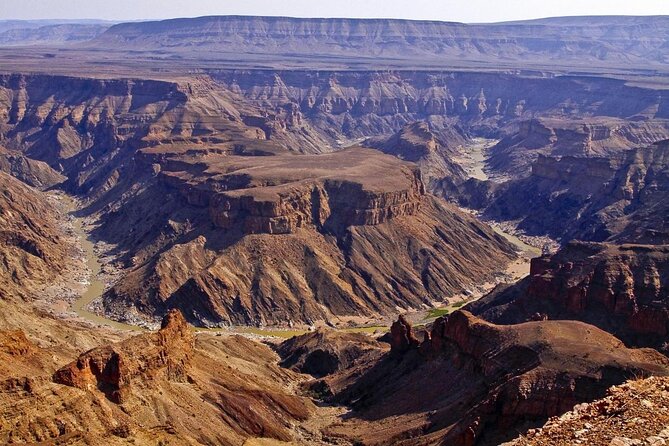
Fish River Canyon is the major southern geological sight on the route. The Fish River rises in the Naukluft Mountains and eventually joins the Orange River near the South African border. The canyon viewpoints offer a very different scale from the dunes: broad, weathered rock and a deep river-cut gorge.
About five hours are assigned to the canyon on Day 10. That is generous enough for several viewpoints or a slower look, depending on the exact route. The schedule also lists Fish River Canyon on Day 11, but the description for that day concerns Kolmanskop, so confirm the precise order with Motema Tours and Safaris Namibia before departure.
Kolmanskop is an abandoned diamond-mining town about 10 kilometers inland from Lüderitz. Founded in 1908, it once had more than 1,000 residents, a hospital, school, and theater. When the diamonds ran out in the early 1920s, the town was abandoned.
Today, sand fills parts of the old buildings, creating striking scenes of decay. You have about two hours, and admission is included. This is a particularly good stop for anyone interested in photography, mining history, or unusual places that show how quickly a settlement can disappear when its main industry ends.
Day 12: Namibia Craft Centre and Windhoek
The final day returns you to the capital for about three hours at the Namibia Craft Centre and a tour around Windhoek. Like the opening market, the craft center gives you a last chance to shop for handmade goods, but the setting is more structured.
I would save some souvenir money for this final stop, especially if you want textiles, jewelry, pottery, or carvings after seeing the country’s regions. The day also gives you time to reflect on the contrast between Windhoek, Etosha, the Atlantic coast, and the southern desert.
The tour begins at 8:30 a.m., and pickup is offered. Since the ending arrangements are not detailed, confirm where the final drop-off will be and whether airport transport is separate. Airport or departure tax is not included.
What the $5,849 price gets you
At $5,849.17 per person, this is not a budget road trip. The value comes from the amount of ground covered and the number of major sights bundled into one guided journey.
Included are an air-conditioned vehicle, fuel surcharge, parking fees, landing and facility fees, 10 breakfasts, 10 dinners, and two lunches. Etosha admission, the Walvis Bay boat trip, and Kolmanskop admission are also included according to the schedule.
The price makes more sense if you want one organized package rather than arranging transport, park access, meals, and long-distance transfers yourself. A group limit of 13 keeps the tour relatively small, though it is not a private safari.
I would ask three questions before booking: which lodge nights are included, which meals are not covered, and how the separate Okaukuejo and Dune 7 fees are paid. The title describes a guided lodge experience, but the available details do not name the lodges or describe room arrangements.
Who will enjoy this tour most
I would recommend this trip to you if you want maximum geographic variety in a single Namibia visit. It suits people who value wildlife but also want archaeology, culture, coastal scenery, dunes, historic ruins, and a major canyon.
It is also a good match if you prefer having a guide and vehicle arranged for you. The small group size and air conditioning help with comfort, while included fuel and parking remove several practical chores.
You may want a different style of trip if your priority is slow travel. The route covers long distances, and several stops are measured in only two or three hours. It also may not suit you if you want complete control over photography stops, lodge choices, or daily departure times.
Free cancellation is available until 24 hours before the start time for a full refund. Poor weather can also lead to a different date or a full refund, and the tour requires good weather.
FAQ
How long is the Namibia In Plus tour?
The tour lasts approximately 12 days, beginning in Windhoek and ending with a visit to the Namibia Craft Centre and a tour around the capital.
What time does the tour start?
The stated start time is 8:30 a.m.
How many people can join the tour?
The maximum group size is 13 people.
Is pickup available?
Yes, pickup is offered. The exact pickup location should be confirmed when booking.
What meals are included?
The tour includes 10 breakfasts, 10 dinners, and two lunches.
Is Etosha National Park admission included?
Etosha admission is included. The Okaukuejo Waterhole entry is listed separately as not included.
Can I cancel for a full refund?
Yes. You can cancel at least 24 hours before the experience start time for a full refund. Cancellations or changes made less than 24 hours in advance are not refunded or accepted.
Should you book it?
Book this tour if you want Namibia’s greatest hits in one carefully guided sweep, with the best praise focused on its excellent range of animal sightings. Etosha, Sossusvlei, Fish River Canyon, Kolmanskop, the Himba village, and the Atlantic boat trip make a powerful combination.
Before you commit, accept the cost and the mileage. This is a big-country adventure, not a restful lodge holiday. If you are comfortable with long drives and a full schedule, it offers strong value for seeing northern, central, coastal, and southern Namibia in one trip.
Just added in Windhoek
- Windhoek: Katutura Township Tour with Local Guide★ 3.5 · 3 reviews
- Windhoek: City & Township tour. Vehicle, guide, kapana★ 4.2 · 4 reviews
- Windhoek: Dustenbrook Scenic Game Drive★ 5.0 · 1 review
- Windhoek: Okapuka Game Ranch Guided Tour★ 5.0 · 2 reviews
- Windhoek : Cheetah walk Experience★ 4.6 · 8 reviews
- Windhoek City and Township Tour★ 5.0 · 1 review
- 10-Day Private Yoga Adventure in Namibia★ 5.0 · 7 reviews
- Namibia Express Safari – 6 Days★ 5.0 · 1 review
Guided, compared.
Sandwich Harbour 4×4 guided tours.Join us for an awe inspiring adventure.
Read our review →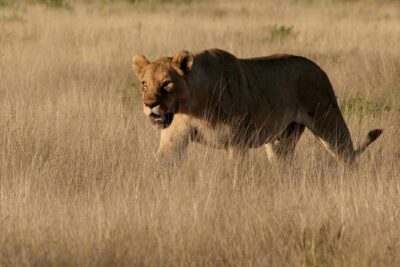
10-Day Namibia Highlights Guided Tour from Windhoek
Read our review →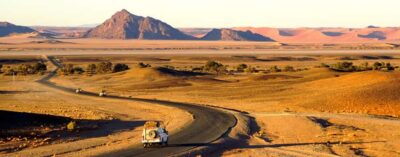
Namibia Self-Driving Audio Guide (in English & German)
Read our review →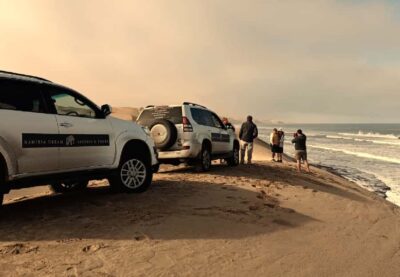
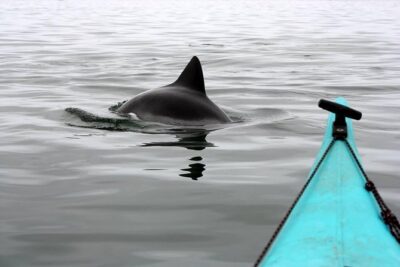
Kayaking and Sandwich Habour Guided Day Tour from Walvis Bay
Read our review →
Exhilarating Sandwich Harbour 4×4: Guided Self drive experience
Read our review →
Private Guided Walking Tour with the San in Windhoek
Read our review →
Sandwich Harbour 4×4 Private Guided Tour – Your very own private tour!
Read our review →Browse the lists this tour appears in